A history shaped across epochs, fabulous art-chitecture, beautiful lakes, sun-drenched coastlines, islands, and mountains. Oh, the long list of reasons to be in Italy is indeed (VERY) long…
But for me, one reason rises above all else: FOOOOD!
Dreams of carbonara at a tiny Roman trattoria, the silkiness of the sauce, the bite of perfectly cooked pasta, the crunch of guanciale, and the sharp saltiness of Pecorino Romano have made their way into travellers’ stories for centuries. It’s quite the place to spoil your taste buds!
See, there’s this saying by MFK Fisher; “First we eat, then we do everything else,” . I mean if you’ve grown up around Indian meals, where food becomes the centre of every celebration, you already understand the feeling. But still, I think nowhere agrees with that idea more than Italy.
There’s even a word for people who truly love food: buongustaio. And in Italy, being one is actually a way of life. So before you order that post-11 AM cappuccino or sit down for a coffee that costs ten times more, here's a guide to food in Italy that features all you should know about eating your way through the country.
9 Food Habits You’ll (Probably) Only See In Italy
Sorry, No Cappuccinos After 11 AM!
Your afternoon cappuccino order won’t get rejected. But it might get you a look.
In Italian cuisine, cappuccino is considered heavy early breakfast territory. The logic is simple: milk-heavy drinks are seen as too heavy after meals, so locals move toward espresso as the day progresses.
The good news? Nobody is stopping you from ordering one later. The better news? Knowing the rule makes you look less like you just got there.
Your Coffee Order Has A Strategy
What’s more expensive? Your coffee or your chair?
Walk into a café, stand at the counter, drink your espresso in under two minutes, and you could pay around €1–€1.50. Sit at a table in a scenic square and suddenly the same coffee becomes ten times more expensive because you’re paying for service, seating, and location.
Locals know this game, but tourists usually discover it only after the bill arrives.
Don’t Break Your Spaghetti!
Break it, and you might just break a waiter’s heart.
There are few things more Italian than watching someone expertly twirl spaghetti onto a fork. And few things more likely to raise eyebrows than reaching for a knife.
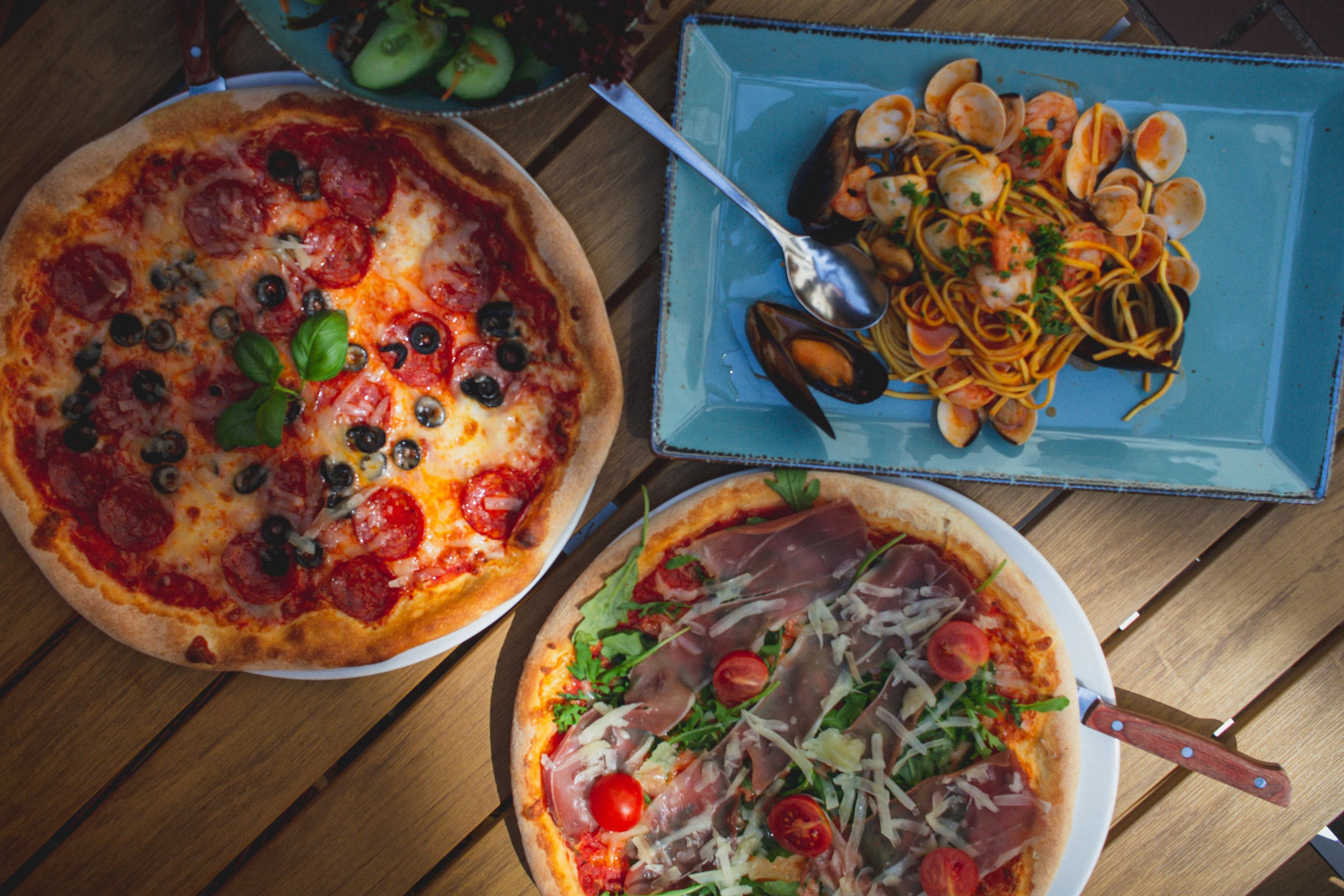
Long pasta is traditionally twirled, not cut. In fact, pasta etiquette in Italy goes far beyond spaghetti. Different pasta shapes exist for different sauces, and yes, there are strong opinions about adding cheese to seafood pasta.
Your Favourite Dish Has An Address
One of the biggest mistakes you can make is treat Italian cuisine like one giant cuisine.
Carbonara belongs to Rome, Risotto dominates parts of the north and Pizza tastes different depending on where you are.
Italian food is deeply regional because, historically, regions developed different ingredients, climates, and traditions. So, what tastes incredible in one city may barely exist in another, even if it does, it would have that authenticity to it.
Want your holiday planned around food, wine, culture, or all three? Create a tailor-made Italy tour package from India built around your interests.
No Such Thing As A ‘Quick’ Meal
Food here is prepared with care, courses are meant to be enjoyed, and restaurants are rarely built around quick service or fast table turnovers. So, yeah, don’t expect a QUICKY for lunch!
Unlike in India, where servers often check in frequently, waiters in Italy usually give diners space and may not come to your table unless called. Even the bill often arrives only when requested, so make sure you do that when you're done.
Dinner Doesn’t Start When You’re Hungry
Hungry at 6 PM? That’s pretty… unfortunate.
Many restaurants in Italy only start around 8 PM onwards, with locals often dining even later. In several parts of the country, especially further south, eating before 7:30 PM can instantly put you on a tourist schedule rather than a local one. You’ll also notice that restaurants opening unusually early are often geared more towards travellers, while many local favourites only come alive later in the evening.
No “Food To Go” Culture
Italy is not built for walking lunches. Here, even coffee is often finished standing at the bar rather than carried around the city.
You will find takeaway options, of course, but far fewer compared to what many of us are used to. Many cafés and restaurants are built around the idea that food should be eaten there, not packed up and rushed elsewhere. Coffee-to-go culture is limited, and grab-and-go meals are less common, so watch out for that.
Italians Don’t Like The Cold
Extra ice, strong air conditioning, cold drafts. Nah-ah!
Many Italians traditionally associate excessive cold drinks and drafts with discomfort or poor health, which partly explains lighter ice usage and endless discussions around open windows.
Need extra ice anyway? Just say: Molto ghiaccio, per favore, no one’s judging you there…
A Fountain That Runs On Wine?
In the region of Abruzzo, the famous Fontana del Vino offers free flowing wine from a public fountain installed along a pilgrimage route. It was created more as a gesture of hospitality than a tourist attraction, though like many things, it became both!
When you’re not chasing your next glass of wine or your plate of pasta, here are some of the best things to do in Italy that you might want to add to your itinerary.
Pasta Once A Day, Every Day
The average Italian consumes 51 pounds of pasta every year. Phew!
Hold your HORSES, because it is not the same pasta showing up on the table every day. Different regions use different shapes, different sauces are used for specific pasta, and different traditions decide what gets paired together, making it one of the best foods to try in Italy. To outsiders, it may look repetitive, but to Italians, it's an endless variety disguised as dinner.
Still deciding where to begin? Speak with our experts and plan your perfect Italy tour package from India!
What Does A Typical Italian Meal Look Like?
Italian meals are not usually built around one large plate carrying everything together. Instead, lunch and dinner are often divided into multiple courses;
Breakfast (Colazione)
Breakfast in Italy is usually small and simple. Most mornings circle around coffee, pastries, biscuits, or a cornetto, with heavy breakfasts being far less common than many expect.
Lunch & Dinner: More Courses With Smaller Portions
Lunch and dinner in Italy often follow a course-based structure rather than one main dish. Not every meal includes every course, but understanding the order helps make menus much easier to read.
Antipasti
This is the opening course, designed to ease you into the meal. Expect cheeses, cured meats, olives, bruschetta, or small appetisers meant for sharing.
Primo
This is usually where pasta, risotto, gnocchi, or soups appear. Surprisingly, this is still not considered the main course, but is really one of the best foods to try in Italy.
Secondo
The secondo focuses on protein, which could mean meat, fish, or seafood. Compared to what many travellers expect, these dishes are often quite simple and ingredient-focused.
Contorno
This is the side dish course, usually made up of vegetables, salads, or potatoes. Unlike many countries where sides automatically arrive with your main dish, Italian meals often require you to order these separately if you want them alongside your meat or seafood.
Dolce
Dessert arrives here, and saying no becomes increasingly difficult. Depending on where you are, this could mean tiramisu, gelato, cakes, pastries, or regional desserts that change from one part of Italy to another.
Digestivo
The meal often ends with a post-meal drink. These are usually served after dessert and are meant to help round off the experience, whether that means aiding digestion or simply avoiding ending the evening too quickly.
Foods You Should Try In Different Parts Of Italy
North Italy
Northern Italy is where you’ll find heavier dishes shaped by colder climates and Alpine influences. This is the land of creamy risottos, hearty polenta dishes, butter-based sauces, and slow-cooked meats. Compared to the south, regions like Lombardy, Piedmont, and Veneto have food that's often less tomato-heavy, with rice and dairy playing a much bigger role.
Central Italy
Central Italy, including Lazio, Tuscany, and Emilia-Romagna is home to many of the dishes you already know and love. This region is where Roman classics shine, from carbonara and cacio e pepe to rich meat dishes and recipes built around pecorino cheese.
South Italy
In regions like Campania, Puglia, and Calabria, along with cities such as Naples, Bari, and Palermo , expect tomato-rich sauces, generous olive oil, fresh seafood, and dishes that feel a lot lighter. This is also where pizza culture is seen the most, alongside street food traditions and recipes that have been passed down through generations.
Islands
The islands have their own category because their food feels entirely different from mainland Italy. Sicily is known for sweet treats like cannoli and granita, alongside seafood-heavy dishes shaped by centuries of cultural influences. Sardinia, meanwhile, gives you unique breads, roasted meats, distinctive cheeses, and recipes that often feel unlike anything else in Italy!
Some destinations in Italy are famous for monuments, others for meals. Most manage to do both. Read our blog on the best places to visit in Italy to get a full picture.
Food Etiquette Tips That Save You From Tourist Mistakes
Many restaurants add a coperto charge, which is a small cover fee added for table service, bread, or place settings.
Water is usually bottled rather than complimentary, and unlike in many countries, the bill often will not arrive on its own, so asking for it is completely normal. Tipping exists too, but expectations are generally lower than what travellers from some countries may be used to.
If all this talk about the food in Italy already has you checking flight prices, it may be time to explore our all-inclusive Italy tour packages from India that will help you travel without a worry.