If I had a dime for every dull moment I had in Japan, well, I’d have exactly zero dimes. What I have instead is a long list of moments from my recent trip that I’d happily repeat.... So here are 15 things to do in Japan that I’d genuinely do again!
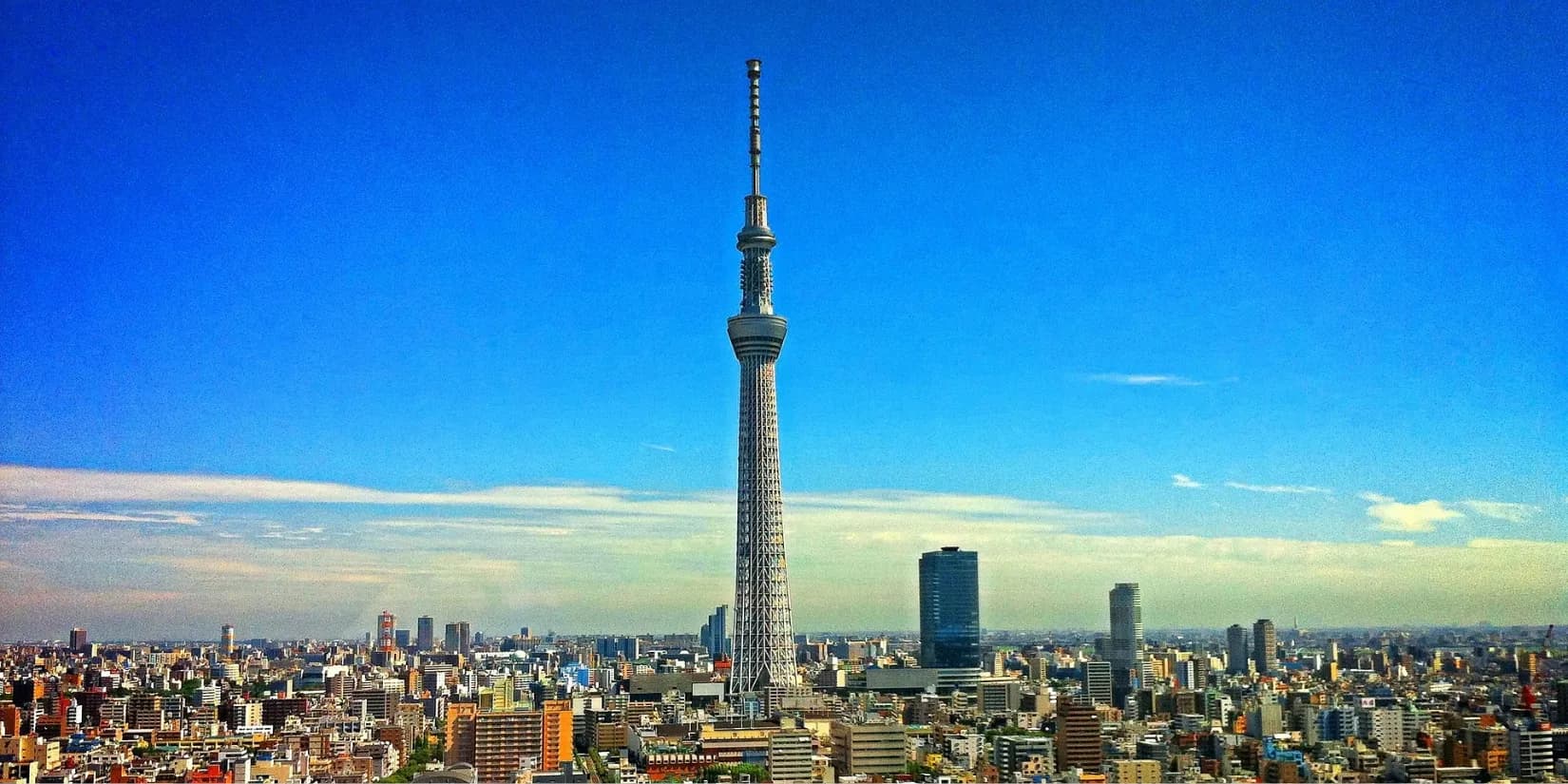
1. Seeing How Big Tokyo Really Is from Tokyo Skytree
Tokyo Skytree stands at 634 metres, making it the tallest structure in Japan and currently the third tallest tower in the world (after the 828m Burj Khalifa in Dubai and the 678.9m Merdeka 118 in Kuala Lumpur). So as a matter of fact, it’s not just another tower in the wind…
I’d been to the base and the Solamachi shopping complex a few times before, but it was only on my most recent trip that I finally went up. The main observation deck is at 350 metres, and the elevator gets you there in under a minute.
From the top, Tokyo neither looks organised nor does it look symmetrical. It just stretches, with no obvious centre, and no skyline cluster (it’s really that high). On a clear day, you can even spot Mount Fuji sitting there on the horizon!
At night, the tower lights up in rotating colours; blue inspired by water and resilience, purple reflecting traditional kimono tones, and orange/red drawing from koinobori used during Children’s Day. If you're searching for the initial things to do in Tokyo, this is one of the fastest ways to understand the city before exploring it.
2. Walking Barefoot Through teamLab Planets
I mean, even though teamLab Planets is called a digital art museum, it’s not a “look at the wall and move on” situation when you’re there.
You literally walk barefoot through different immersive rooms, with a shallow water installation with digital koi fish that scatter around your legs, a mirrored infinity room filled with hanging LED lights, a soft, sinking floor that shifts under your feet and more…
The famous room with floating orchids, the one you’ve definitely seen on Instagram, is also only at Planets, with the flowers rising and falling around you depending on where you stand. If you’re travelling with kids, this is usually the better option. It’s playful, hands-on, and doesn’t feel like a “museum” in the traditional sense
It takes about 1–2 hours to go through, and it’s surprisingly interactive. (Book tickets in advance, it sells out fast.)
3. Getting Swallowed by Neon in Akihabara
Akihabara, or the “Electric Town” is Tokyo’s otaku capital. If you’re looking for the pop culture side of the city, this is where you should go.
Post–World War II, this area became known for black-market electronics. That history stuck, and today it’s still packed with multi-storey buildings selling gadgets, gaming consoles, PC parts, and things you didn’t know existed. But that’s only half the story.
Now it’s also ground zero for anime, manga, trading cards, figurines, retro arcades, maid cafés, and entire buildings dedicated to very specific fandoms. I genuinely thought nothing here could surprise me, but boy was I wrong.
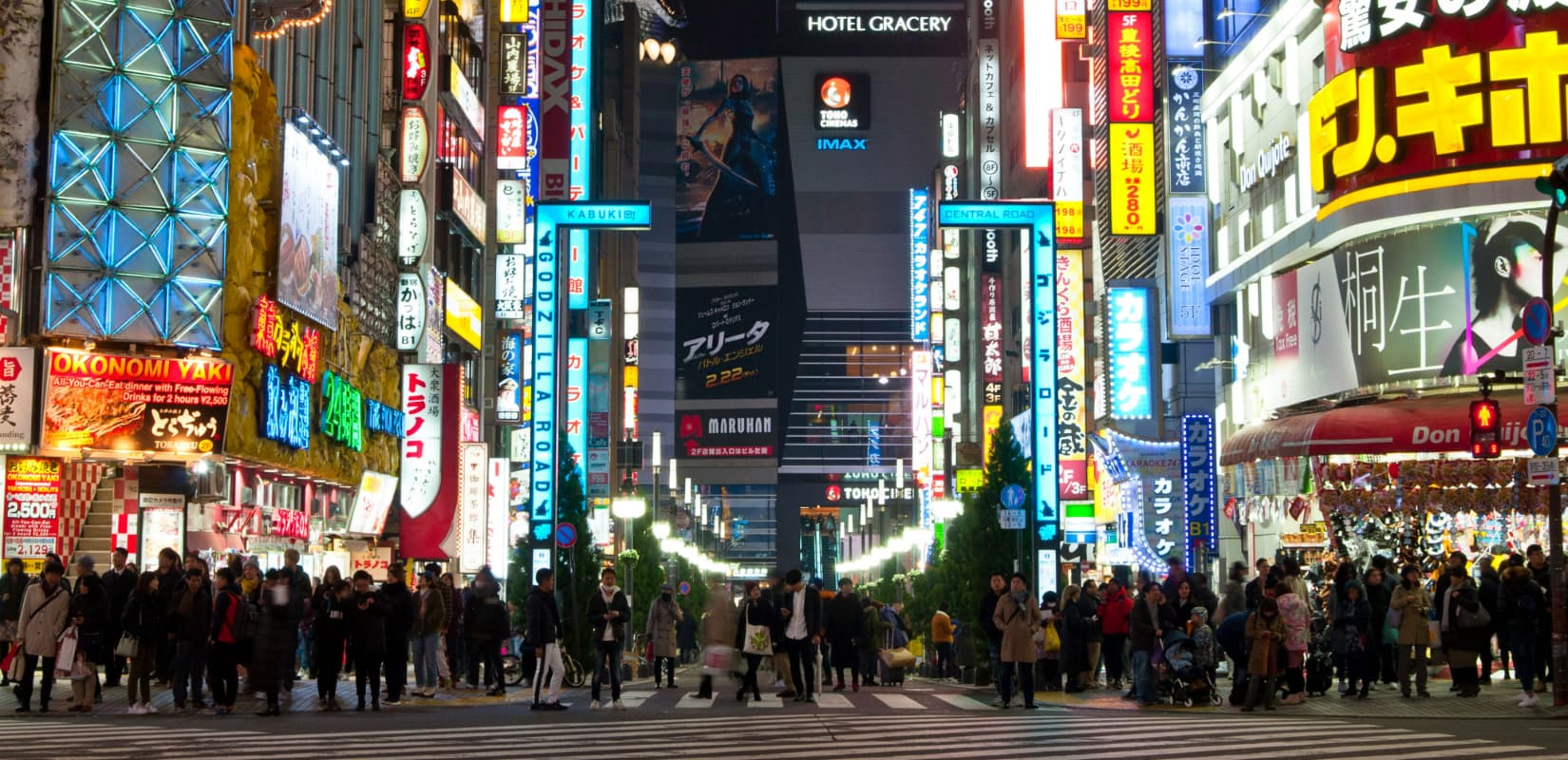
I’ve only ever gone at night, and I’d recommend that. That’s when the neon signs are fully lit, screens are flashing, arcade sounds spill into the street, and the whole place feels alive.
4. Stepping Back 1,400 Years at Senso-ji Temple
Senso-ji, located in Asakusa, is Tokyo’s oldest temple, completed in 645 AD. But its story goes back even further. In 628, two brothers are said to have pulled a statue of Kannon, the Goddess of Mercy from the Sumida River. They tried returning it to the water, but it kept coming back. A temple was eventually built nearby to honour her.
I entered through Kaminarimon, the famous “Thunder Gate,” marked by a massive red lantern that’s become a symbol of Asakusa, and honestly, of Tokyo itself. From there, I walked down Nakamise Street, a 200-metre stretch of traditional stalls leading to the inner Hozomon Gate and the main hall where along the way you’ll find freshly grilled rice crackers, matcha sweets, folding fans and handmade souvenirs. Beyond the second gate stands the main temple hall and a five-storey pagoda.
5. Breathing in the Air at Mount Fuji’s Fifth Station
When people talk about Mount Fuji, they usually mean climbing to the summit in July or August during the official season. That’s when thousands of hikers make the full ascent.
But you don’t have to climb all the way up to experience it. The Fifth Station sits roughly halfway up the mountain, at around 2,300 metres above sea level. Even outside peak climbing season, often until early to mid-November, depending on snowfall, you can usually still access this point by road.
Here, you’re high enough to feel the drop in temperature, the thinner air, and the change in landscape. On clear days, you get sweeping views over the Fuji Five Lakes region below. The weather changes quickly up there. Even in summer, it can be cold and windy, so layers aren’t optional. If you want the Mount Fuji experience without committing to a full overnight climb, this is the most accessible way to do it and easily one of the most iconic things to do in Japan.
6. Cruising Lake Ashi with Fuji in the Background
From Hakone, I took a sightseeing boat across Lake Ashi. If the sky is clear, Mount Fuji reflects on the water.(I guess I was lucky). Even if it’s cloudy, I’m pretty sure you’ll still get enough mountain views and the famous torii gate near the shoreline, making it one of the best things to do in Hakone!
Still on the fence about planning your Japan trip? Connect with travel experts from Cox and Kings to craft a holiday around what matters most to you.
7. Riding Ropeways and Crossing Crater Lakes in Hakone
The Hakone Ropeway connects Lake Ashi to Owakudani, where you can step into a gondola and glide straight over an active volcanic valley. Steam rises from cracks in the earth, the ground below looks scorched and restless…
Before or after the ropeway, you might find yourself riding a steep mountain railway or boarding one of Hakone’s famous “pirate ships” to cross Lake Ashi. It sounds theatrical. It is, but when you’re sailing across a crater lake with mountains around you, we are all pirates!
The ropeway itself lasts about 15–20 minutes, but it’s part of a bigger loop that links all of Hakone’s highlights into one continuous memorable ride.
.webp)
8. Eating a Black Egg in Owakudani
Try the famous kuro tamago of Owakudani; black eggs that are formed from chicken eggs when boiled in the area’s natural sulfuric hot springs. A chemical reaction with the minerals turns the shell completely black. Crack it open, though, and inside it’s just a normal boiled egg.
Legend says each egg adds seven years to your life. Locals usually joke that you shouldn’t eat more than two or three in one sitting… just in case you accidentally become immortal!
If you’re travelling during sakura season, also read this article that talks about Planning an Eight-Day Trip Perfectly During Cherry Blossoms in Japan!
9. Photographing the “Crow Castle” in Matsumoto
I didn’t originally plan to stop in Matsumoto. It was more of a “we’re passing through anyway” decision, and it turned out to be one of the best cultural things to do in Japan.
Matsumoto Castle, located in Nagano Prefecture in the Japanese Alps, is one of Japan’s few original 16th-century castles still standing. It’s nicknamed the “Crow Castle” (Karasu-jo) because of its striking black wooden exterior and the dark facade was designed to intimidate approaching enemies!
Unlike many Japanese castles built on hills, this is a flatland castle (hirajiro). Instead of height, it relied on moats, interlocking walls, and gatehouses for defense. The surrounding moat is massive, and on a still day, the reflection of the castle in the water is what photographers wait for. You’ll probably spot ducks, swans, and koi moving through the frame.
10. Walking Between 20-Metre Snow Walls on the Tateyama Kurobe Alpine Route
The Tateyama Kurobe Alpine Route cuts through Japan’s Northern Alps, crossing the Tateyama mountain range between Toyama and Nagano Prefectures. To cross the full route between Ogizawa and Tateyama Station, you switch between multiple modes of transport: mountain cable cars, highland buses, a ropeway, even an electric trolley bus!
If you go in spring, usually April to June, this is when the famous snow corridor opens. Walls of snow, sometimes 15 to 20 metres high, line the road, and you can step off and walk between them…It’s one of the seasonal Japanese things to do that genuinely feels different!
Planning your own version of this trip? Browse more Japan packages for seasonal itineraries, expert guidance, and curated holiday options!
11. Wandering Through Shirakawa-go’s Thatched-Roof Village
After crossing the Alpine Route, I stopped at Shirakawa-go on the way south. It’s one of those places I almost skipped, and I’m glad I didn’t.
Shirakawa-go is a UNESCO World Heritage site, famous for its traditional gassho-zukuri farmhouses. Some of them are over 250 years old. The steep, thatched roofs are designed to handle heavy snowfall, as the shape helps the snow slide off instead of collapsing the house.
I stopped at Ogimachi, the largest and most visited village here. Entry here is free, but parking costs around 1,000 yen per car, and more for tour buses. In winter, everything will be covered in snow, and it will surely make it to your next wallpaper.
12. Taking the Shinkansen Bullet Train to Hiroshima
You can read about the Shinkansen all you want, but until you’re on it, it’s just a statistic.
The trains can reach speeds of up to 320 km/h and most of the time, you barely register the speed. It’s only on the bends that you feel it, a slight G-force shift in your body that reminds you you’re moving very, very quickly…
I remember staring out the window as towns, houses, and rice fields blurred past on the way to Hiroshima. Seats are spacious, luggage space is organised, and departures run almost exactly on time. Taking the Shinkansen It’s one of those things to do in Japan that’s part of the cultural experience!
13. Visiting Hiroshima Peace Memorial Park
Hiroshima has a heavy history, but the city today feels open, green, and surprisingly full of life. The park sits near the hypocentre of the 1945 atomic bombing. As you walk through it, you eventually reach the Atomic Bomb Dome, the skeletal remains of a building that survived the blast and has been preserved exactly as it was.
Not far from it stands the Cenotaph for the victims, aligned so that when you look through the arch, the Dome frames perfectly in the distance. There’s also the Flame of Peace, which will continue burning until nuclear weapons are eliminated, and the Children’s Peace Monument, surrounded by thousands of folded paper cranes sent from around the world.
The Peace Memorial Museum is where you should take your time. Give it at least two to three hours. It walks you through the events of August 1945 in a direct, respectful way, with personal belongings, survivor accounts, photographs, and detailed explanations.
If you’d like to experience everything mentioned here, and more, the 10-Day Alpine Wonders of Japan holiday by Cox & Kings brings it all together with expert guidance and a thoughtfully planned route.
14. Ending in Neon Lit Night in Osaka
Most people head straight to Dotonbori once they’re here. The neon signs, the giant mechanical crab, the glowing billboards reflecting off the canal, street food stalls lining the sidewalks selling takoyaki and okonomiyaki!
But that vibrancy isn’t limited to one strip. Walk through Shinsaibashi for shopping during the day, then wander back into the smaller lanes after dark. You’ll find standing bars packed shoulder to shoulder, tiny family-run eateries, and casual spots where you order quickly, eat, and move on.
Discover more thoughtfully curated journeys around the world with Cox & Kings.