IT DEPENDS…
That’s what you’ll hear most often when you ask about the cost of a Japan trip from India to the "experts" around you. Kinda makes you roll your eyes?
I know, it’s not exactly helpful… but you know what? We can't entirely blame them either. The cost of a Japan trip from India isn’t one fixed number you can neatly plan around. It depends, apologies, that word slipped out.
Phew, jokes aside, there really are some variables you need to consider.
Because “how much do I really need to set aside?" is a very realistic question that needs answering. And the slightly tasteless truth is, most answers you’ll find out there are just vague guesses, floating around without context. So, here’s my best shot at answering that.
Round 1, Ready? Flight!
This is the part that’s hard to predict, and yes, this is where your India to Japan trip cost takes its first real chunk.
Flights prices are a bit unpredictable, to a point they become annoying. The same route can feel like a bargain one week and completely unreasonable the next. On average though, you’re looking at somewhere between ₹40,000 and ₹80,000 for a return ticket.
If you’re booking early, travelling in quieter months, or just get lucky with timing, you’ll land closer to the lower end. But if you’re planning around cherry blossom season or peak autumn, prices tend to climb quickly.
Direct flights are faster and easier, usually taking only around 7.5 to 9 hours, even though they come at a premium. The slightly longer routes with a layover in places like Singapore or Bangkok that can stretch anywhere between 12 to 18 hours are usually easier on the wallet.
Visa and Entry: Thankfully, Not a Problem Anymore
Ah, the refreshingly simple part. As per the latest rules, a Japan tourist visa for Indians is actually free if you apply through the eVISA system, a fairly straightforward process.
If you choose to go through an agency for convenience, you might spend an extra ₹500 to ₹1,500 or so. But either way, this is one part of the japan tour cost from india that barely makes a dent.
Accommodation: This Is Where Your Style Shows
Japan does have a reputation for expensive hotels, and during peak seasons like cherry blossom time, that reputation feels very real. But it’s not all intimidating.
If you’re keeping it simple, you’ll find clean, efficient hotels in the ₹2,000 to ₹4,000 range per night, and even cubicles under ₹500, isn’t that crazy? Step up slightly, and the ₹5,000 to ₹10,000 range gives you more space, better locations, and an overall more comfortable stay. One thing to keep in mind is that the same decent, well-located hotel can also cost you around ₹15,000 to ₹20,000 per night during the busy months.
And then there’s the other end, boutique hotels, traditional ryokans, where prices can go upwards of ₹15,000 to ₹35,000 a night.
What surprises most people isn’t the price, though, it’s the size you get for what you pay. Rooms in Japan are compact. It’s not bad, just efficient in a sense, you would want to accept that.
Food: Where Japan Calms You Down a Bit
This is usually where you would expect things to get expensive, but surprisingly it doesn't.
A quick bite from a convenience store or even supermarket take-out will usually cost you under ₹600. And it’s not just “quick food”, it’s actually good!
Step into a casual spot for ramen, curry, or a simple rice bowl, and you’re typically spending around ₹600. Even fast food options like gyudon bowls or set meals sit comfortably in that same range, sometimes going up to ₹900 if you order a bit more.
If you go slightly nicer, say conveyor belt sushi or a relaxed family restaurant, you’re looking at around ₹900 to ₹1,200. And even proper dinners like yakiniku, wagyu, or an evening at an izakaya with food and drinks usually land somewhere around ₹1,800. This is one part of the cost of a Japan trip from India that rarely spirals unless you actively try to make it.
.webp&w=3840&q=75)
Getting Around: Smooth, Efficient… and Adds Up
I’ll say this even in my sleep, Japan’s transport system is incredible. It’s smooth, precise, and almost too efficient at times. And while it all feels easy, this is also where your Japan trip cost from India can add up if you’re not paying attention.
Within cities, things are fairly manageable. Local travel like metros, buses, for short distances usually costs around ₹500 to ₹1,000 a day, even if you move around quite a bit. If you plan your days well and don’t zigzag across the city too much, this part stays very reasonable.
The bigger jumps are where things change. Long-distance travel, especially on the Shinkansen (bullet train), is fast and incredibly convenient, but it comes at a price. A single intercity ride can easily cost anywhere between ₹8,000 to ₹15,000 depending on the distance.
There are cheaper alternatives, of course. Highway buses, for instance, can cost less than half of train fares on some routes. Overnight buses even help you save on a night’s stay, which makes a noticeable difference to your overall India to Japan trip cost. Then there’s the JR Pass, which used to be the obvious solution. But after recent price increases, it’s no longer a no-brainer. In many cases, individual tickets or regional passes work out better.
It’s not complicated, just something you shouldn’t ignore when calculating your Japan trip cost from India. If you’d rather not figure it all out yourself, talk to the experts at Cox & Kings and have your Japan journey planned around exactly how you want to experience it.
Experiences: Small Costs, Constantly Adding Up
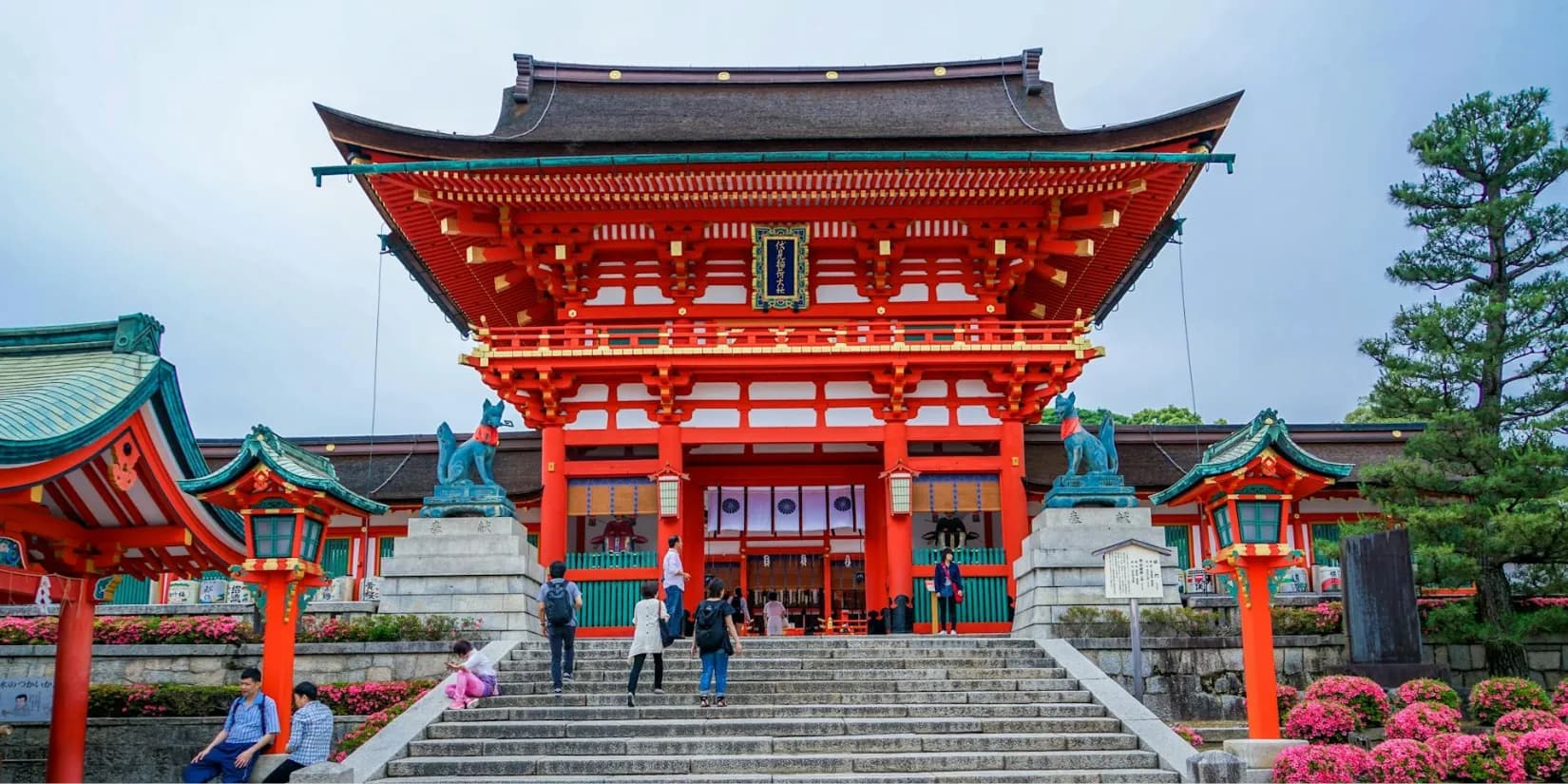
Japan doesn’t flood you with those big-ticket attractions, that's a breather. But the small costs are everywhere though. Temple and shrine entries, in many cases, are actually free, especially for shrines. When there is a ticket, it’s typically around ₹200 to ₹400, and for more well-known or larger complexes, it can go up to ₹600 to ₹1,000.
Occasionally, you’ll come across places that charge more, around ₹1,000 to ₹2,500, especially if there are multiple sections or special exhibits included. Then there are viewpoints, museums, and observation decks. These usually sit in the ₹1,000 to ₹2,000 range, depending on how popular or “premium” the experience is.
Add in day tours, guided experiences, or something slightly more curated, and you’re easily looking at ₹5,000 to ₹10,000+ here and there. And then there are the unplanned expenses that are inevitable like snacks, cafés, random shops you didn’t intend to walk into.
So, How Much Does a Japan Trip from India Actually Cost?
After everything we’ve broken down, you’d expect a clean number. Here it is.
If you’re planning it on your own, a typical 6 to 8 day trip usually lands somewhere close to ₹2,00,000 per person. That version of the Japan trip cost from India is flexible, because you choose where to spend, where to save, and how fast (or slow) you want to travel.
But then you look at curated journeys, and the numbers change a bit. A multi-city experience like this 7-day Temple to Towers Japan Journey by Cox and Kings can start around ₹2,00,000 per person without flights. Stretch that to 10 or 11 days, with a more immersive route like this Timeless Japan Cultural Capital journey, and you’re looking at close to ₹3,40,000 and upwards.
Why the difference?
At first glance, it feels like a big jump in the cost of a Japan trip from India. But it’s not the same trip anymore…
When you plan it yourself, you’re trading time and energy for savings. You might pick slightly smaller hotels, figure out transport on your own, space things out, and keep experiences optional.
Curated journeys, on the other hand, are built differently. Hotels are usually in prime locations, often a category higher than what most people pick for themselves. Intercity travel is faster, premium and pre-arranged, transfers are handled, itineraries are more immersive, and you’re covering more without the headache that comes with planning it on your own.
Experiences, too, (almost all must-dos) are already included. Guided tours, cultural activities, key entries, the kind of things that you’d otherwise add separately into your india to japan trip cost. And then there’s the part you don’t see on paper, the ease of it all; no second-guessing bookings, no navigating unfamiliar systems, no wondering if you’ve missed something along the way.
One gives you flexibility and control. The other gives you structure, speed, and a lot less to think about. Both get you to Japan. The difference is how you want the journey to feel.
What Actually Changes These Costs As Well?
If there’s one thing that really changes these numbers too on your Japan tour cost from India, it’s timing. Cherry blossom season and autumn push prices up. Booking late does the same. Trying to cover too many cities in a short time also adds unnecessary costs. If you’re still confused about when to go, this guide to the best time to visit Japan will help you plan your trip around the perfect time!
And if you’re ready to take the next step, explore more Japan packages from Cox & Kings and find an expertly crafted journey that fits you just right…