When it's Japan, I am rarely asked the usual “where should I go” or “things to do in Japan” lists. Instead, I get these questions a LOOOOOT!
“Will my trip clash with the Golden or Silver Week?”
“Will cherry blossoms still be there in May?”
“Is it going to be too cold when we visit?”
“When is the best time to visit Japan”
It’s understandable to see why people overthink this. Japan isn’t one of those places where you can just pick a random month and figure it out. What I mean is, you could walk the exact same street twice in a year and have two absolutely different experiences!
Bummer alert: the tricky part is, it’s almost impossible to get it perfect. Cherry blossoms don’t follow a fixed calendar, autumn colours change every year and even something like the weather can vary more than you’d expect. You can check forecasts, blossom trackers, historical averages (which you definitely should), but at the end of the day, you’re still working with a moving target…
What you can do, though, is get it close. Close enough that your trip feels worthwhile. So instead of chasing one “perfect” answer to the best time to visit Japan, it makes more sense to break it down; what you’re going for, what to avoid, and what each time of year actually feels like when you’re there.
Is There Really A Best Time to Visit Japan?
If you want the straightforward answer: Yes, between Spring (March to May) and autumn (October to November). This is when Japan feels the easiest to travel through, with great weather, greater scenery, and a lot fewer things working against you. It’s also most people’s favourite time to go to Japan, which makes SOO popular!
But popularity comes with trade-offs. Prices go up, hotels fill faster, and the well-known spots don’t feel as relaxed. If you’re okay with that, these months are hard to beat. If not, there are smarter ways to plan it. If you’d rather get it right the first time, connect with the experts at Cox & Kings to plan it exactly the way you want it!
Best Time to Visit Japan for Cherry Blossoms
Let’s address the obvious question first. Cherry blossom season usually lands between late March and late April in cities like Tokyo and Kyoto. But “usually” is doing a lot of work here. Some years it’s early, some years it’s late, and the full bloom window is very short.
Basically, you’re trying to hit a moving target. That said, if you get it right, it’s worth it. Parks fill up with people sitting under the trees, the whole country feels slightly softer, and even regular streets start looking different.
But you need to plan around it properly: Book stays early (they go fast), start your days early (crowds build quickly) and stay a little flexible if you can. For many travellers, this is still the best time to travel to Japan, just don’t expect it to be very quiet. If you’re trying to catch the blooms, this blog on an 8-day Japan plan shows you how to build your trip around them.
But don't worry even if you miss this window, because autumn has its own draw. The fall colours, usually from late October to November, bring a completely different look, with deeper tones, clearer skies, and far less guesswork around timing.
Best Time to Visit Japan for Good Weather
If your goal is simple, let’s just say comfortable days, easy exploring, not constantly checking the weather, then spring and autumn can both work perfectly.
Spring is mild, a little fresh, and generally pleasant throughout the day, while autumn might actually be better for consistency. Cooler air, clearer skies, and less humidity make it easier to explore for longer parts of the day. Also, autumn tends to feel a bit more manageable than peak cherry blossom season, even though it’s still busy.
If you’re trying to avoid extremes, not too hot, not too cold, this is easily the safest answer to the best time to travel to Japan.
.webp&w=3840&q=75)
Cheapest Time to Travel to Japan
If budget is a factor, timing can change things quite a bit. January and February, right after New Year, are usually quieter. It’s way colder, yes, but cities feel less crowded and hotel prices are noticeably lower.
June is another interesting window. It’s the rainy season, but it’s not constant heavy rain. You’ll get cloudy days, occasional showers, and far fewer tourists.
Early December, just before the holiday rush, is another good pocket, it has a bit of everything, without the peak pricing. These might not sound like the obvious best time to go to Japan, but if you’re trying to bring together cost and experience, these months are worth considering.
If you want more control on the time and places you go, explore more tailor-made journeys from Cox and Kings designed around how you like to travel…
Best Time to Visit Japan for Festivals
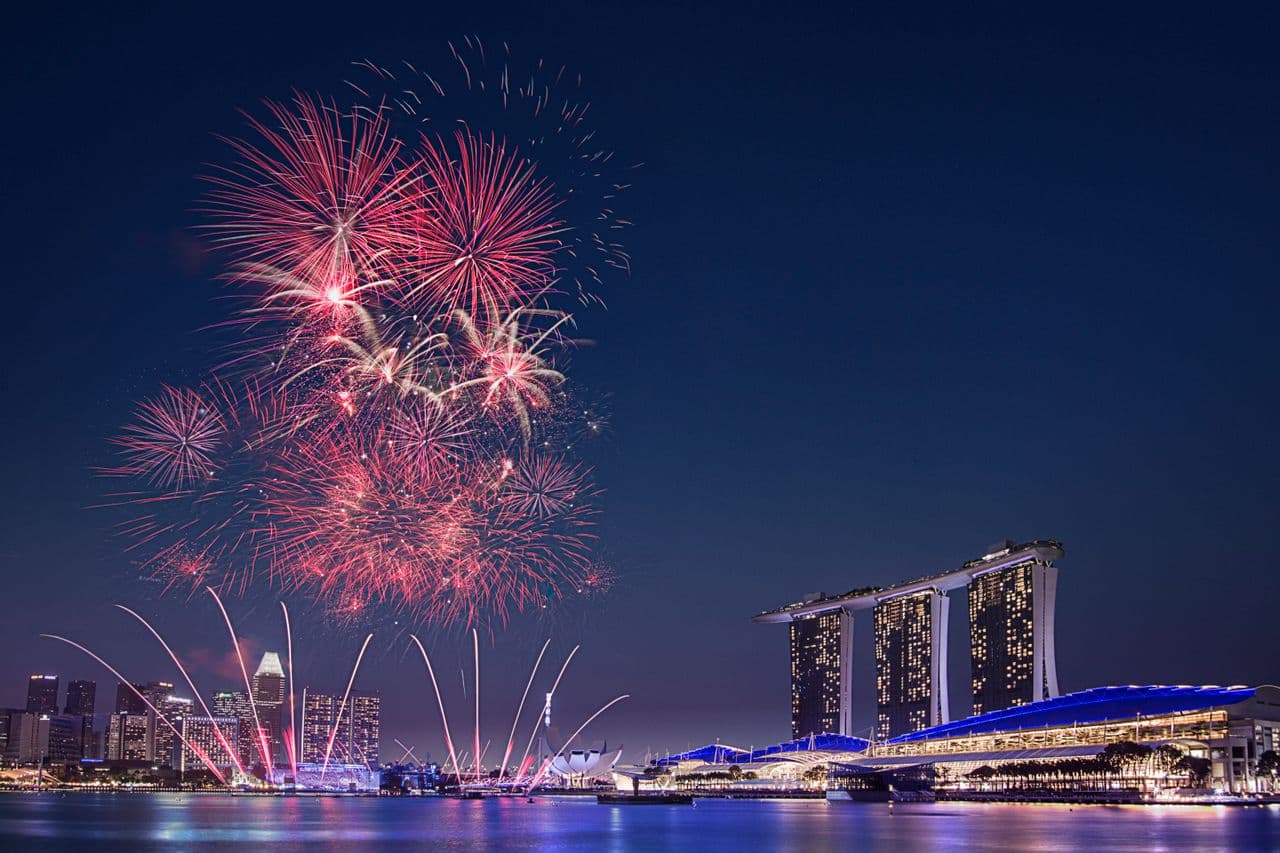
If festivals are part of your plan, summer is your best bet! July in Kyoto has the Gion Matsuri, which runs almost the entire month with massive floats and street processions, and August is packed with fireworks festivals across cities like Tokyo and Osaka. It’s hot and crowded, but the feeling is hard to miss.
Spring has a few, but most of the attention stays on cherry blossom viewing, so festivals don’t stand out as much. Autumn is more low-key, with smaller local festivals, especially around Kyoto and rural areas, with fewer crowds and a more relaxed feel. Winter is more niche, but if you’re in Hokkaido in February, the Sapporo Snow Festival is one of those events that’s actually worth planning your dates around.
Busiest Time to Visit Japan
There are certain periods where Japan gets noticeably more crowded, not just with tourists, but with its own people joining the party as well.
The Golden Week (late April to early May) is a big one. This is where multiple public holidays in Japan line up, and the entire country is on the move. Expect a whole lot of people!
Silver Week (mid-late September) is also similar, just less predictable because it’s an occasional autumn holiday that aligns roughly every 5-7 years.
New Year (late December to early January) is busy in a different way altogether. That’s because many businesses shut down for a few days, while transport systems get crowded with people heading home.
Then you also have school holidays too, especially in late March and through July–August. Even if international tourism feels manageable, domestic travel does give its fair share to the overall crowd. You don’t have to avoid these periods completely, but make sure to not walk into them unprepared.
What Each Season in Japan Actually Feels Like
Spring (March to May) is what most people have in mind when they think of Japan. Cherry blossoms, manageable weather, and a generally very lively atmosphere. It’s beautiful, but you’ll be sharing it with a lot of people…
Summer (June to August) starts with rain in June and moves into heat and humidity in July and August. It can feel tiring during the day, but this is also when festivals, fireworks, and local events really come alive.
Autumn (September to November) is quieter than spring, and in my opinion, as good as it is. Fall colours take over, the weather is easier to deal with, and the views are just fabulous to look at.
Winter (December to February) is the calmest of them all, but… it’s going to be a bit cold. Cities are less crowded though, and if you head north, you’ll get proper SNOW.
If you’d rather not piece it all together, explore these Japan tour packages by Cox and Kings that are built around every season!