
See, the thing that'll probably throw you off in Australia is that everything you've grown up associating with a season is almost paradoxical here…
When we're wrapping ourselves in sweaters, they're heading to the beach. When your hometown is shivering through December mornings, Australians are putting sunscreen on before Christmas lunch. Even Santa wears shorts instead of boots, like, can you picture that?
But you know what, for most Indian travellers, this works out rather well. December to February lines up with winter holidays back home, making it one of the most popular times to visit the country. The catch, of course, is that everyone else has the same idea, which means there’ll be a lot of shoulders to brush past.
So, is that really the best time to visit Australia? Well... not necessarily. That's exactly what I'll help you figure out in this detailed guide to Australia's seasons, so you can pick the one that suits your kind of holiday to Australia, not just the most popular one.
Australia's Travel Seasons
Peak Travel Season: December to February
Australia's summer lands just as the Northern Hemisphere is bundling up for winter, which goes some way toward explaining why this is the country's busiest stretch on the travel calendar. Schools break up, beaches fill, outdoor festivals crowd the calendar, and cities like Sydney, Melbourne and Brisbane throw themselves into it properly, making it one of the best times to visit Australia.
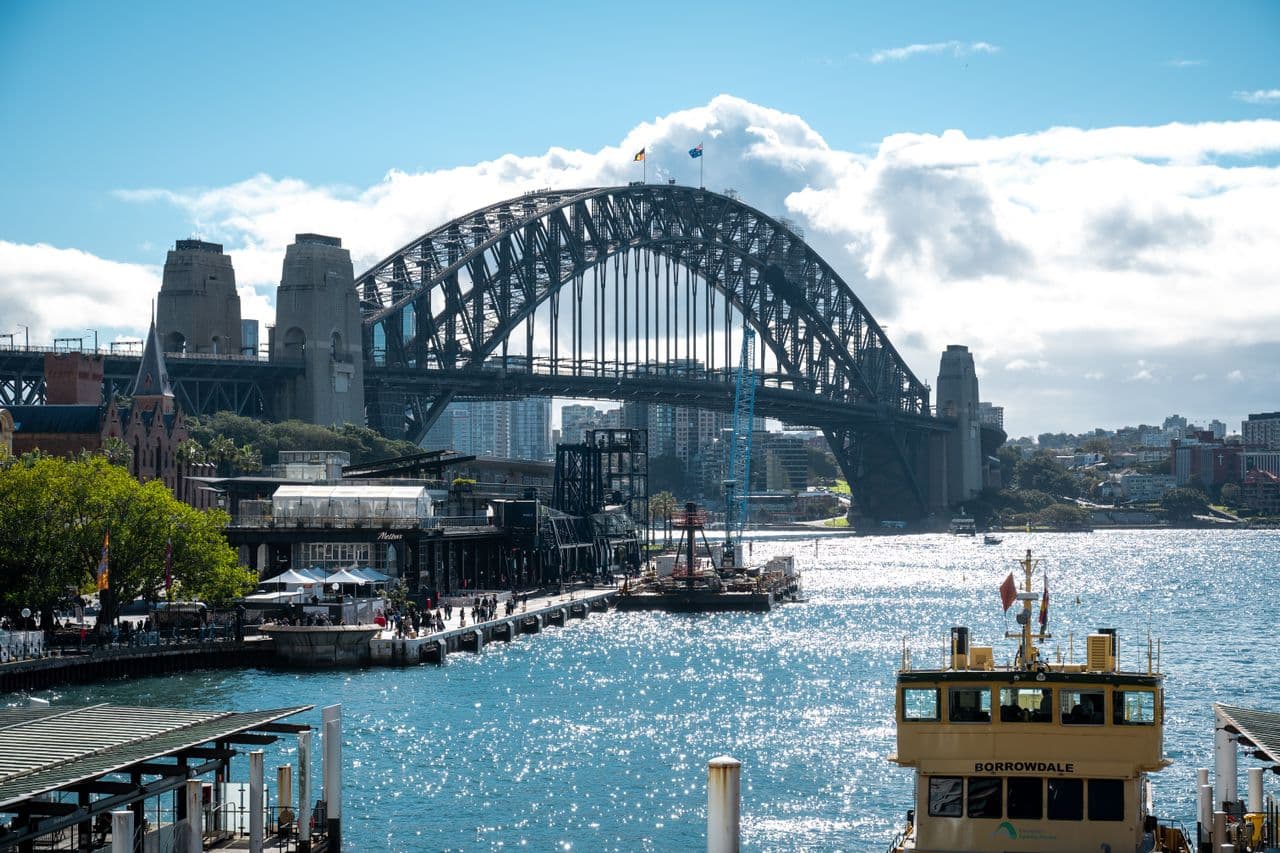
It's also prime season for coastal road trips, and one of the world's great New Year's Eve spectacles, fireworks lighting up Sydney Harbour Bridge as the clock ticks over! That popularity comes at a cost, though: demand tightens, and attractions book out well ahead of time, especially through Christmas and New Year…
Quieter Travel Months: May and August
If your idea of a holiday involves shorter queues and a bit more breathing room, May and August are worth a closer look. May comes just after the summer crowds have cleared out, while August sits right before spring tourism starts building up again.
Accommodation is generally easier to come by, popular sights will be less crowded, and you'll get better value across much of the country. The trade-off is that some regions dial back their offerings in this window too, a handful of tour operators run reduced schedules, and certain outdoor activities, particularly around the reef or in alpine areas, can be weather-dependent in ways they aren't during peak months.
Shoulder Season: March to May & September to November
Some experienced travellers rate these months even higher than the obvious summer window. I mean, the weather stays pleasant across most of Australia, crowds thin out considerably, and sightseeing is far easier than during the peak heat of summer. So whether it's vineyards turning gold in autumn or wildflowers spreading across Western Australia in spring, these seasons give you a good amalgam of decent weather and fewer crowds to fight through.
Not sure which season fits your plans best? Connect with our destination experts, and we'll help you choose the perfect Australian holiday.
Spring in Australia (September to November)
Temperature
Temperatures generally range between 15°C and 28°C, although tropical northern Australia is warmer while alpine regions remain considerably cooler.
What the Season Feels Like
This is when Australia stirs back to life after winter. Wildflowers spread across huge stretches of Western Australia, jacaranda trees turn city streets purple, vineyards come back into leaf, and national parks turn properly green again. The weather stays fresh without tipping into uncomfortable heat, making it one of the easier seasons to cover both cities and nature without either wearing you out. Many travellers looking for Australia's best time to visit will often find themselves pleasantly surprised by the beauty of spring.
Why Visit During Spring
If you want to dodge peak-season crowds without giving up on good weather, spring is a solid pick. Days sit at a comfortable warmth, outdoor attractions are fully open, and road trips are especially enjoyable before summer holiday traffic kicks in. It's also widely considered one of the best seasons to visit Australia, particularly for first-time visitors planning to cover multiple destinations.
Experiences Worth Looking Out For
Spring brings whale migration along much of Australia's eastern coastline, particularly around Hervey Bay and New South Wales. Wildflower season turns large parts of Western Australia into landscapes you won't find anywhere else on Earth, while spots like the Blue Mountains, the Great Ocean Road and Tasmania become really good for hiking and scenic drives. The weather also makes this a great window for visiting wine regions like the Barossa Valley, Yarra Valley and Margaret River, just before harvest season gets underway…
Things to Keep in Mind
Spring weather can still be a little unpredictable, especially in southern Australia. Warm afternoons often give way to cooler evenings, so packing light layers is a sensible move throughout the season.
Rain can turn up without much warning too, particularly early in the season, so it's worth keeping outdoor plans flexible rather than locking in a single-day itinerary around one activity. Some ski resorts in the alpine regions also start winding down operations as the snow melts, so if snow sports are part of the plan, aim for the earlier weeks of spring rather than the tail end of it.
Summer in Australia (December to February)
Temperature
Summer temperatures generally range between 25°C and 40°C, although coastal regions remain considerably cooler thanks to sea breezes.
What the Season Feels Like
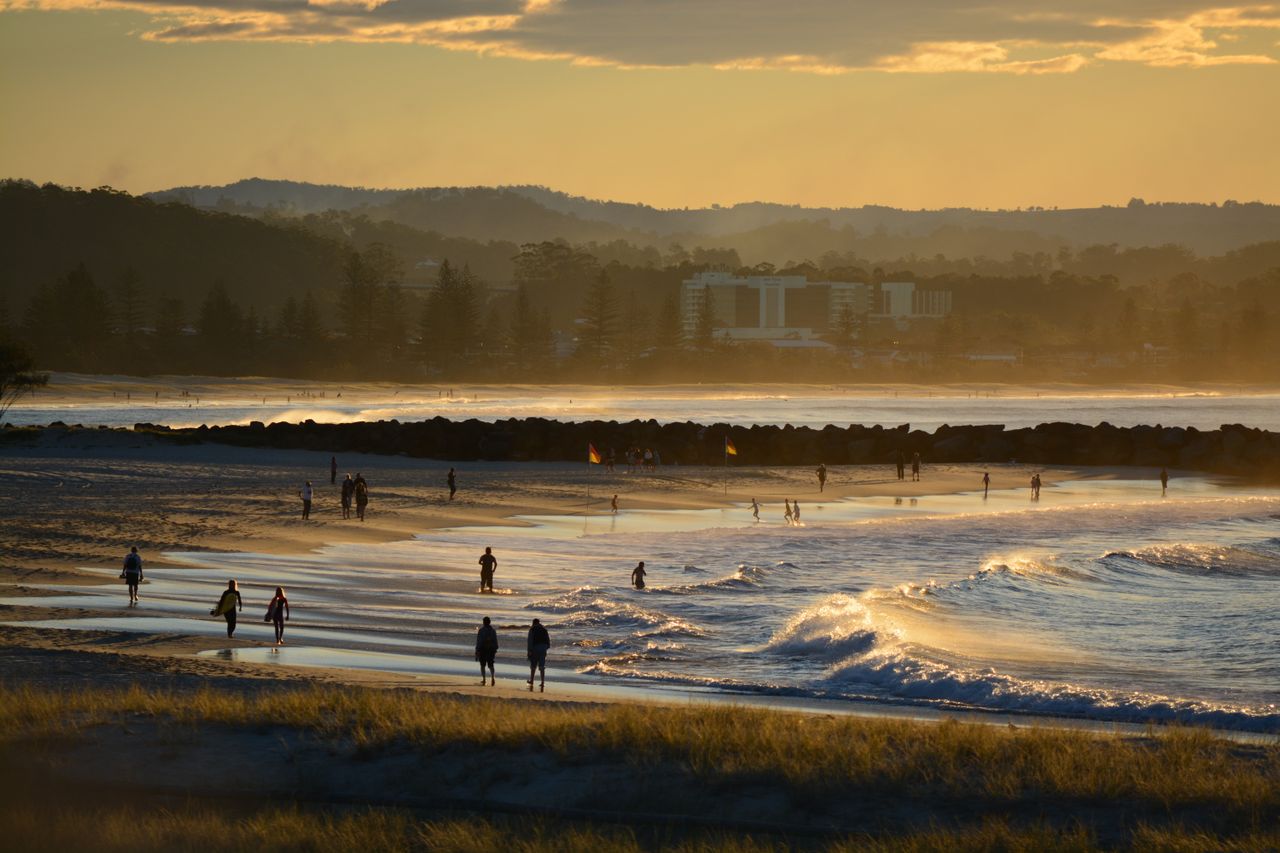
Summer in December? That’s how it is in this part of the world, and Australia truly spends its summer outdoors. Beaches fill up, cafés spill out onto the pavement, surfboards seem to everywhere, and there's barely a weekend without another festival, sporting event or outdoor concert somewhere!
Now, Christmas arrives with sunshine instead of snow, and New Year's Eve turns Sydney Harbour into one of the most photographed celebrations on the planet. If you've ever pictured Australia as blue skies, golden beaches and people eating lunch by the water, this is probably the best time to visit Australia!
Why Visit During Summer
Summer should be your pick if beaches, coastal drives and island holidays are what you’re looking for. Road conditions are excellent, daylight is longer, ferry services run frequently, and pretty much every outdoor activity, from snorkelling to sailing, operates at full capacity. It's also the choice of a lot of travellers from India as the best time to go to Australia, particularly for a first visit.
Experiences Worth Looking Out For
If you're wondering about the best places to visit in Australia during summer, Sydney, the Gold Coast, the Whitsundays and Tasmania are the ones that really come into their own. It's the season for surfing, island hopping, coastal walks, scenic flights over the Great Barrier Reef, and generally making the most of Australia's famous beaches. Melbourne picks up too, hosting the Australian Open alongside a packed run of food festivals and cultural events through the season.
Things to Keep in Mind
Summer is Australia's busiest, and hottest, season. Accommodation prices climb around Christmas and New Year, so booking several months out is worth doing rather than risking it.
Northern Australia also hits its tropical wet season during these months, meaning destinations like Darwin and parts of Queensland can see heavy rainfall, humidity and occasional cyclones. If the tropical north is high on your list, winter is generally the better window for it.
Autumn in Australia (March to May)
Temperature
Autumn temperatures generally range between 12°C and 28°C, with warm days gradually giving way to cooler evenings as winter approaches.
What the Season Feels Like
Summer draws the biggest crowds in Australia and autumn is the opposite. Beaches empty out, vineyards gear up for harvest, national parks turn gold and amber, and road trips get a lot more enjoyable without the summer traffic. Victoria, Tasmania and South Australia feel more relaxed to visit during this stretch.
Why Visit During Autumn
March, April and early May bring together good weather, thinner crowds and sightseeing that's genuinely comfortable rather than a battle against heat or queues. Whether you're exploring cities, driving the Great Ocean Road or spending time in Australia's wine regions, autumn tends to make most of it easier to pull off. If you've been trying to work out the best month to visit Australia, March comes up often as one of the strongest picks.
Experiences Worth Looking Out For
The vineyards of the Barossa Valley, Margaret River and Yarra Valley head into harvest season, making this one of the better windows for wine lovers. Tasmania starts turning into its autumn colours, while spots like the Blue Mountains, Kangaroo Island and the Great Ocean Road get comfortable weather for hiking and sightseeing. If you're mapping out the best places to visit in Australia in March, Sydney, Melbourne, Tasmania and South Australia's wine regions should sit near the top of that list.
Things to Keep in Mind
While autumn stays pleasantly warm across most of Australia during the day, temperatures drop quite noticeably after sunset, particularly in the southern states, so a light jacket comes in handy once evening sets in. It's also worth knowing that some tourist operators start trimming their hours as the season winds down toward winter, and a few island and reef-based activities cut back their schedules earlier than you might expect, so it's worth checking ahead if those are on your list.
Winter in Australia (June to August)
Temperature
Winter temperatures generally range between 5°C and 22°C, although tropical northern Australia enjoys much warmer conditions while alpine regions regularly fall below freezing.
What the Season Feels Like
Australia doesn't just get cold in winter, it splits into two very different trips depending on where you go. Down south, ski resorts open up, fireplaces light up in mountain lodges, and snow settles across the Australian Alps. Up north, the humidity clears out, skies stay mostly cloud-free, and places like Darwin, Kakadu and the Kimberley get some of their best weather all year.
Why Visit During Winter
Winter is the best season for exploring tropical Australia. The dry season opens up the Northern Territory and northern Queensland, making waterfalls, national parks and outback landscapes far easier to reach than they are during the wet summer months. It's also a solid season for whale watching, particularly along the east coast.
Experiences Worth Looking Out For
Ski or snowboard at Perisher, Thredbo or Falls Creek. You can also try snorkelling or diving on the Great Barrier Reef, since visibility peaks in winter, making this one of the better windows for it. If whale watching is on your list, this is when migration hits its peak along the coastline, and if Uluru's on the itinerary, try timing it for winter, the cooler daytime temperatures make exploring it far more comfortable.
Things to Keep in Mind
Winter isn't the best season for Australia's southern beaches, where swimming can become rather chilly. If you're travelling across multiple regions, pack for changing climates, you could easily experience 8°C in the mountains and 28°C in tropical Queensland on the very same holiday.
Best Time to Visit Australia for Families
For a lot of Indian families, December through January is still the easiest window to travel, mainly down to school holidays lining up with the festive mood across the country. Long daylight hours mean you can fit in more sightseeing each day, and beaches, wildlife parks and family attractions all run at full capacity. If you'd rather skip the peak-season crowds, September and October are worth considering too, with comfortable weather and noticeably quieter places.
Best Time to Visit Australia for Couples
Australia works well for couples year-round, it really just comes to what "romantic"is for you. Spring hands you blooming gardens, long vineyard lunches and coastal drives with the top down, if you're renting something with a top to put down of course.
Autumn slows the whole thing to a crawl, with wine regions turning gold, quieter cities, and weather that basically ask you for long walks. Winter is for couples chasing a fireplace and a good lodge, or swapping the cold for a tropical escape and a reef holiday instead. And summer, well, summer just wants you at the beach with a drink in hand, ideally on a boat!
Prefer something more personal? Explore our tailor-made Australia holidays and build an itinerary around exactly how you'd like to experience the country.
Best Time to Visit Australia for Pleasant Weather
If ‘sightseeing’ weather is your main priority, March through May and September through November are generally the safer bets. These shoulder seasons bring pleasant temperatures, fewer tourists and easier travel conditions across most of the country.
Ultimately though, the best time to visit Australia comes down to what you actually want out of the trip. Beaches and island escapes at the top of your list? Go during the summer. Reef adventures and tropical national parks? Winter's the obvious call. And if road trips, vineyards and city sightseeing is what you love, Autumn and spring don’t let you down.
When Should You Visit Australia?
Not all of them, but most countries have a season they're good at and eleven months they'd rather you didn't ask about. Australia doesn't really play that game. Beaches and coastal drives take one season, tropical adventures take another, and in between, wine country and photogenic road trips get their turn too.
Once you've settled on when, the next question is how. Whether you're after a fully escorted group holiday or something built entirely around your own pace, our Australia tour packages from India take the guesswork out of the rest. With itineraries, hotels, sightseeing, tour managers, visa assistance and local partnerships already sorted, all you’ll have are G’days!