"You may really get four seasons in a single day," a photographer said this about Iceland. Doesn’t it sound like one of those travel clichés people love to throw around? I mean, pretty much sounds like it.
Good joke I thought at first, but as it turns out, that's not much of an exaggeration. Iceland really is one of the few places where sunshine, rain, wind and even snow can all come down on you before you've finished your road trip for the day. Also, if we think about it, what else can you expect when glaciers, volcanoes, the Atlantic Ocean and Arctic air all have their say in the weather?
Which is also why answering the question of the best time to visit Iceland isn't quite as straightforward as many people think. Yes, many travellers immediately associate Iceland with the Northern Lights, but the country is far more than just the auroras (even though we'll happily admit they're one of its most magical experiences).
So, if you're wondering about the month to visit Iceland, here's how each season changes the country, and which Iceland tour packages from India suit the kind you're hoping to have.
Understanding Iceland's Travel Seasons
Peak Travel Season: June to August
If you're visiting Iceland for the very first time, chances are you'll end up travelling during summer (I don’t blame you for choosing winter too). And there's a good reason for that.
The weather is at its mildest, the days seem quite literally ‘endless’, thanks to the Midnight Sun, mountain roads reopen, hiking trails become accessible and the entire country feels easier to explore. It's also the best season for driving the Ring Road, spotting puffins along cliffs and heading into Iceland's rugged Highlands, an area that's inaccessible for much of the year.
Naturally, this popularity comes with larger crowds and higher accommodation prices, particularly around Reykjavík, the Golden Circle and the South Coast. So, booking early is definitely recommended.
Winter Peak: December to February
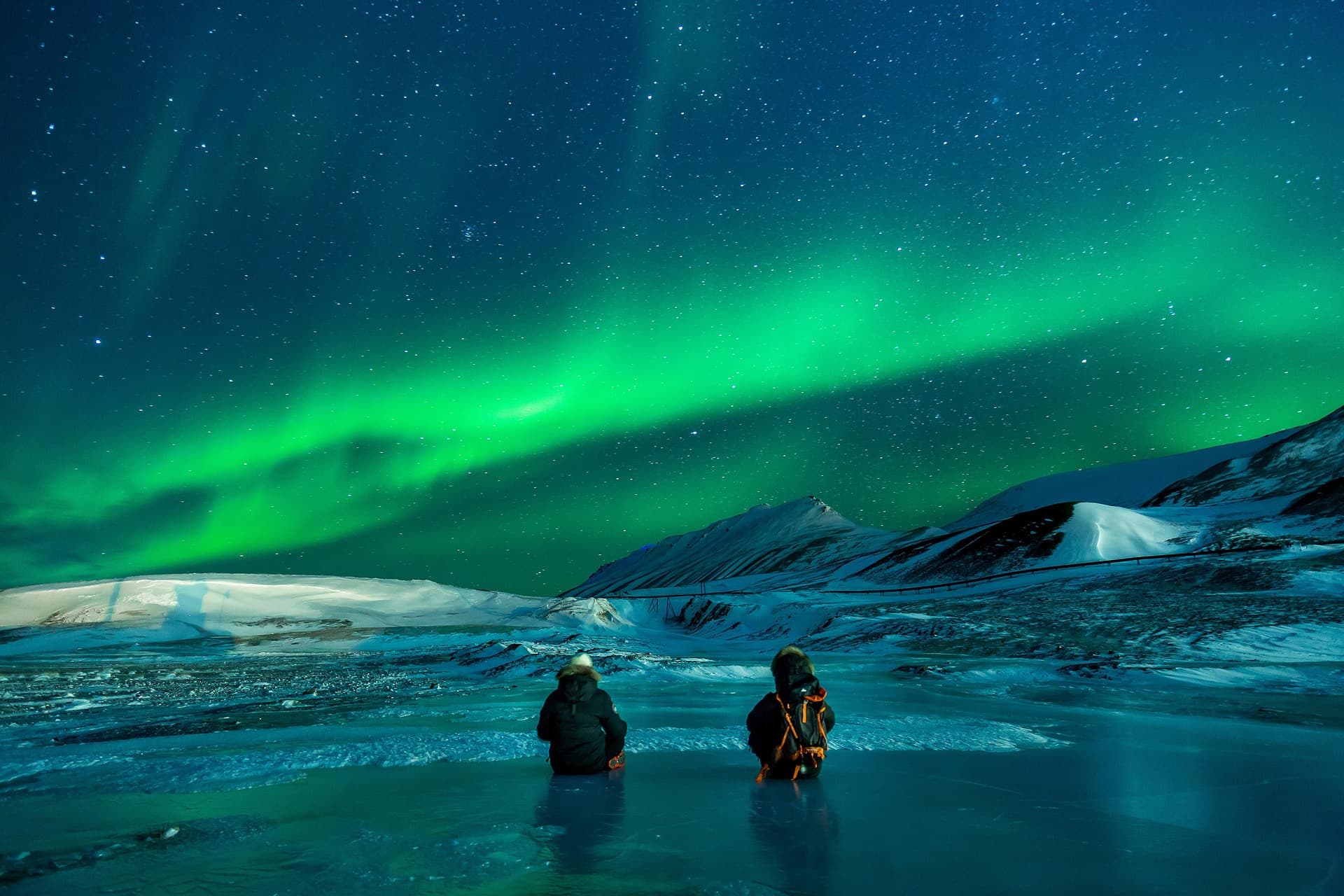
This is the other ‘peak’ season in Iceland. Snow settles across the landscape, waterfalls freeze around the edges and daylight steps aside to make room for something far more spectacular, the Northern Lights!
Winter draws travellers looking for glacier hikes, ice caves, geothermal lagoons, snowy road trips and Arctic landscapes that look unreal. December is especially popular thanks to Reykjavík's festive atmosphere, while January and February often gives you slightly calmer experiences without sacrificing winter's biggest attractions. If seeing the aurora is the main reason you're travelling, this is easily the best time to go to Iceland, and also your cue to choose an Iceland winter tour package!
Shoulder Season: April to May and September to October
Spring slowly wakes Iceland from its long winter, while autumn dresses the landscapes in shades of gold before snow begins returning. Tourist numbers are noticeably lower than in summer, accommodation is often easier to find and you'll usually enjoy a little more breathing room at the country's biggest attractions.
September deserves a special mention. It often clubs comfortable weather with the first opportunities to see the Northern Lights, giving you a little bit of both worlds!
There’s a compromise though. The weather becomes even more unpredictable during these months. Some attractions and Highland roads may already be closed or not yet open, daylight is shorter than in summer, and while the Northern Lights return, they're never guaranteed.
Looking for an Iceland holiday planned around exactly what you want to experience? Connect with our destination experts and we'll help you choose the season that's right for you.
Spring in Iceland (April to May)
Temperature
Spring temperatures generally range between 3°C and 10°C, gradually becoming milder as May approaches.
What the Season Feels Like
Snow begins disappearing from lower elevations, waterfalls become even more powerful as glaciers slowly melt, and the countryside starts showing its first signs of green after months beneath snow and ice. The weather can still change quickly, but longer daylight hours make every day feel noticeably bigger.
Why Visit During Spring
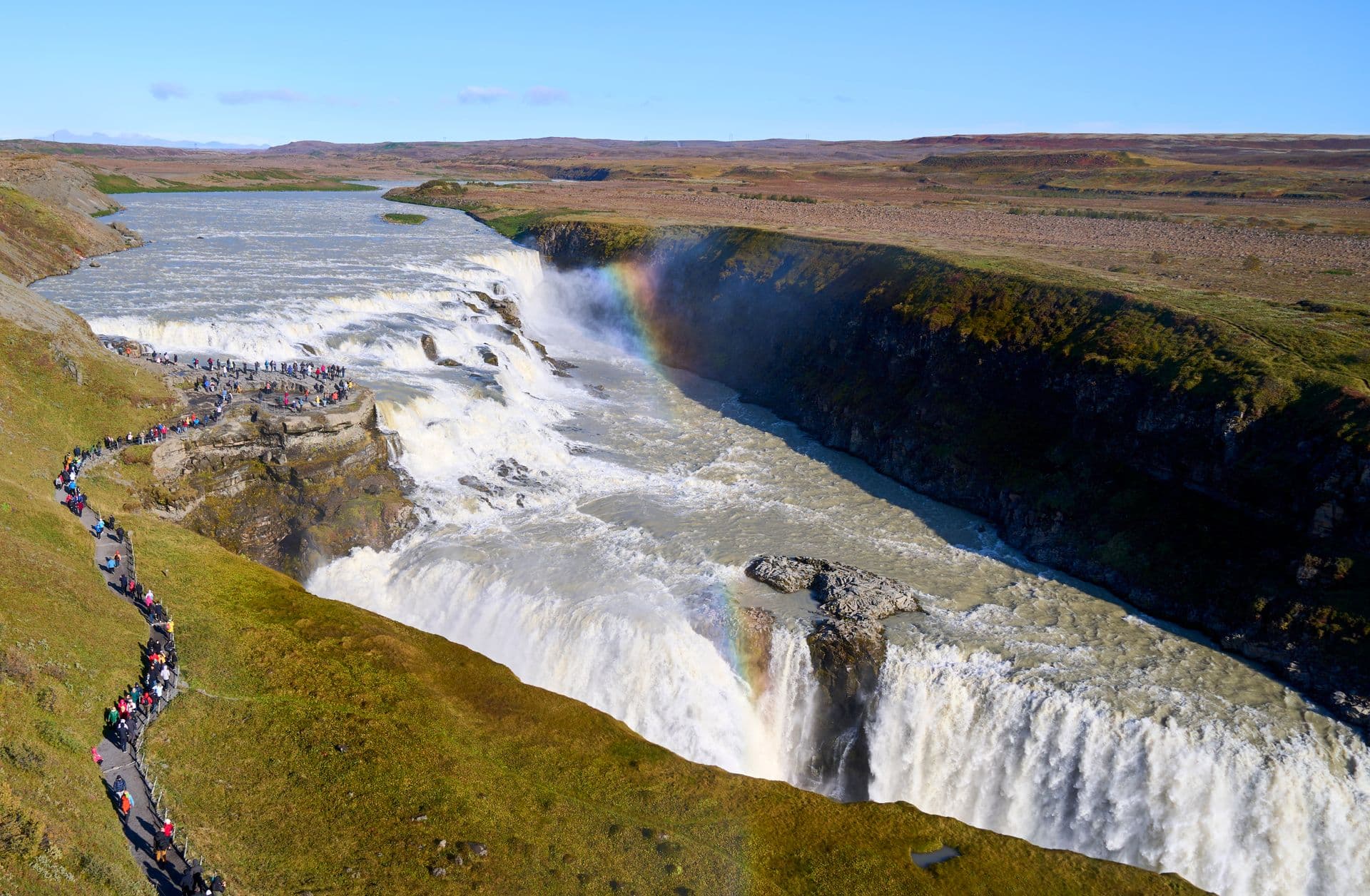
Popular attractions feel far less crowded than during summer, accommodation is generally easier to book and you'll have a much more relaxed experience driving between destinations. It's also one of the first opportunities to enjoy Iceland's famous waterfalls before the busiest travel season begins…
Experiences Worth Looking Out For
Spring is a good time to explore the Golden Circle, visit Skógafoss and Seljalandsfoss without large crowds, relax in geothermal lagoons like the Secret Lagoon or Blue Lagoon, and enjoy scenic drives along the South Coast. By late April and May, whale watching also begins picking up around Reykjavík and Húsavík, while puffins gradually return to Iceland's coastal cliffs.
Things to Keep in Mind
The weather enjoys keeping visitors on their toes. You could experience sunshine, rain and strong winds within the same afternoon, so waterproof clothing and layers remain essential.
Summer in Iceland (June to August)
Temperature
Expect temperatures between 10°C and 15°C, although warmer days occasionally surprise everyone.
What the Season Feels Like
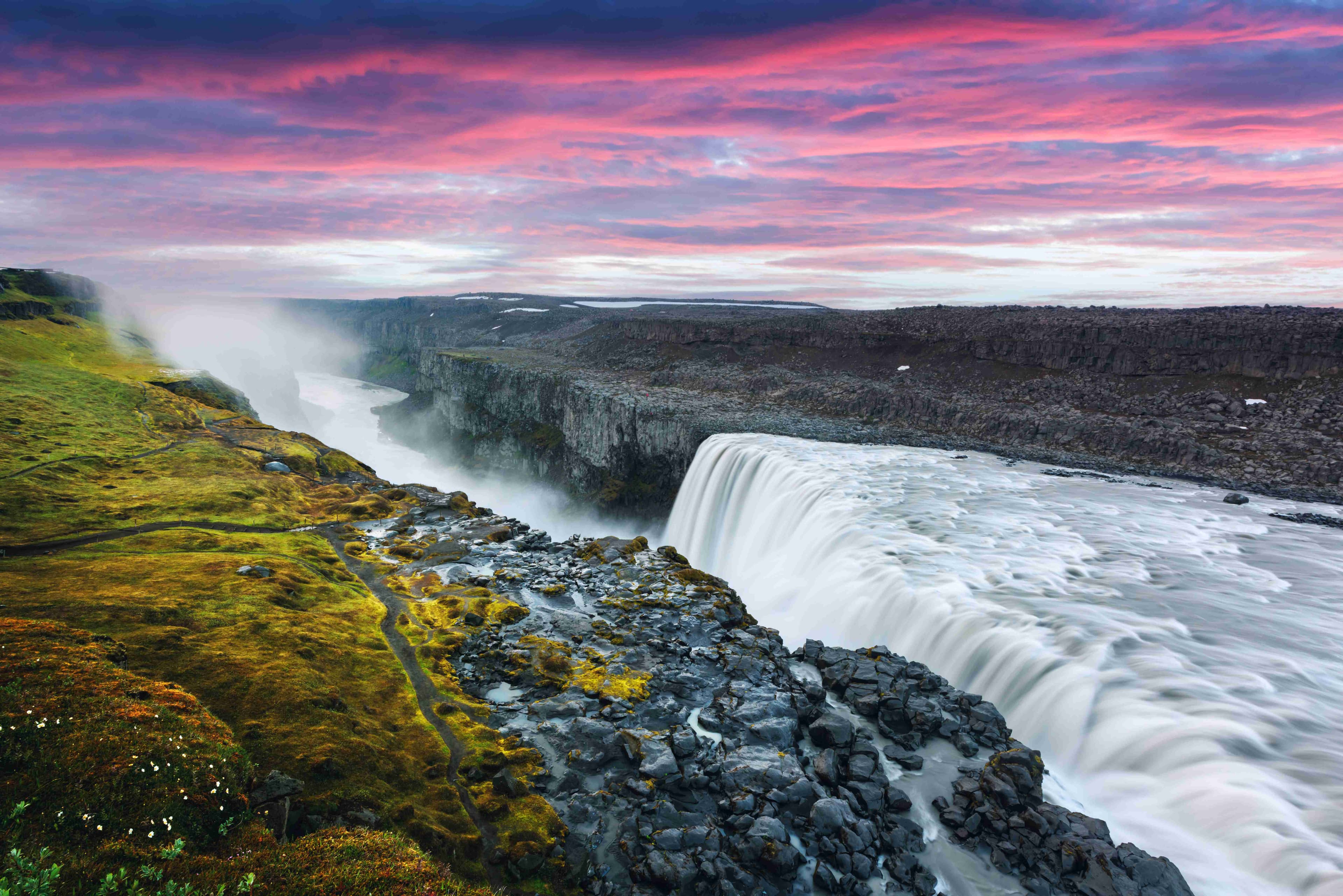
The Midnight Sun stretches daylight well into the night, making it surprisingly easy to lose track of time. Locals spend as much time outdoors as possible, campsites fill with travellers, hiking trails come alive and long road trips feel much more relaxed when darkness never really arrives!
Why Visit During Summer
For many, this is the best month to visit Iceland, particularly June and July. Nearly every corner of the country becomes accessible. Roads into the Highlands finally reopen, making places like Landmannalaugar and Askja possible to visit, while the Ring Road can comfortably be explored without worrying about winter driving conditions. It's also the perfect season for anyone planning a complete Iceland road trip.
Experiences Worth Looking Out For
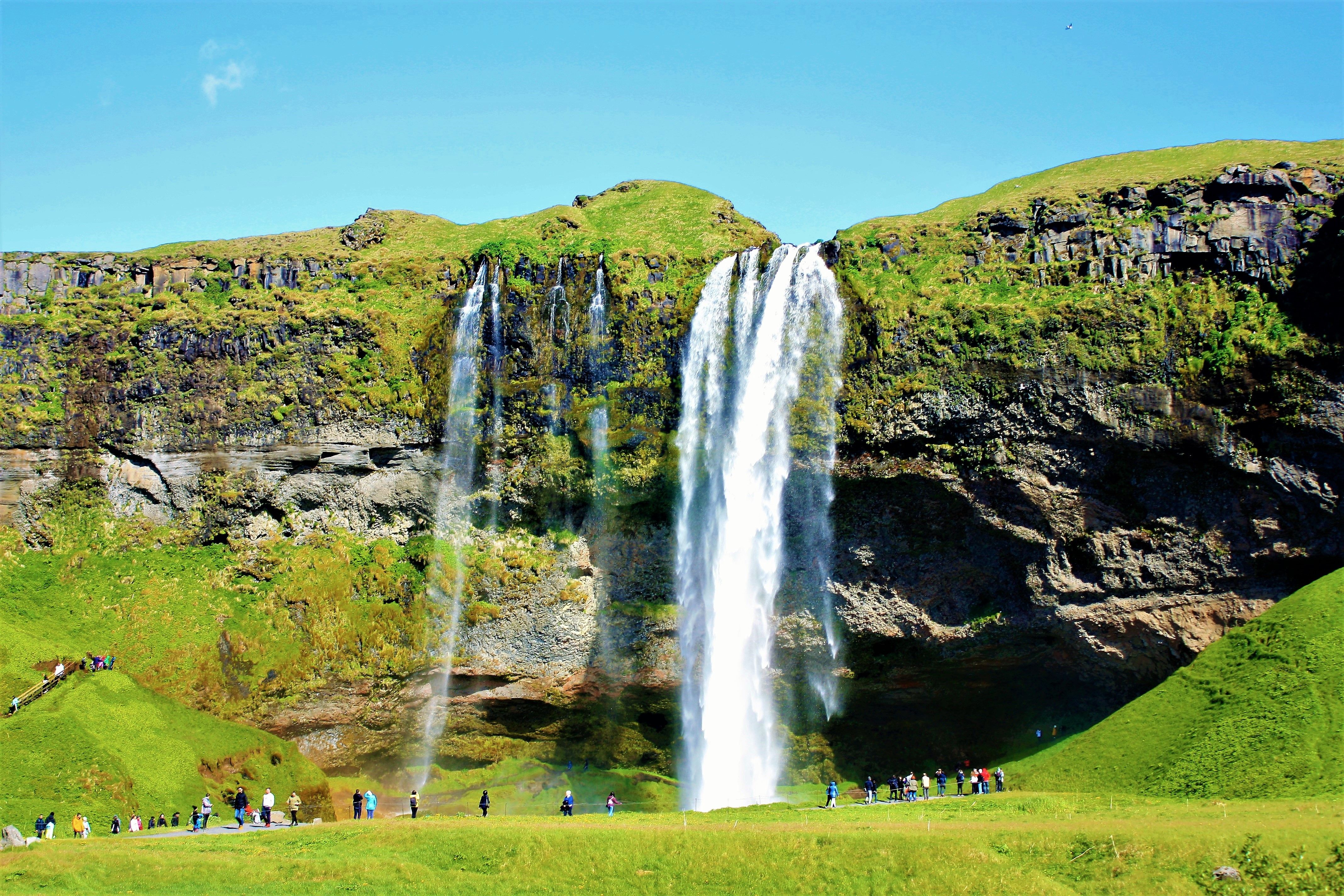
Drive the famous Golden Circle, walk behind Seljalandsfoss, admire Skógafoss, visit Reynisfjara's black sand beach, hike inside Skaftafell National Park and watch enormous icebergs drift across Jökulsárlón Glacier Lagoon.
Summer is also the best time for whale watching, puffin spotting, kayaking among glaciers, exploring volcanic landscapes and hiking beneath the Midnight Sun, an experience that's every bit as surreal as it sounds. Long daylight hours also mean you can comfortably fit far more into each day without compromise.
Things to Keep in Mind
Summer may offer Iceland's most comfortable weather, but it's also the busiest time of year. Hotels, car rentals and popular experiences often sell out months in advance, particularly between late June and early August.
Autumn in Iceland (September to October)
Temperature
Temperatures generally range between 2°C and 10°C, gradually dropping as winter approaches.
What the Season Feels Like
The crowds begin thinning, the landscapes take on shades of gold and amber, and the nights slowly become dark enough for the Northern Lights to make their return. You still get enough daylight to explore comfortably, but there's now a real sense that winter is just around the corner…
Why Visit During Autumn
Road conditions are generally still favourable through much of September, accommodation is easier to find than in peak summer, and you have a chance of seeing the aurora without committing to the depths of winter. If you ask the ‘photographers’, they'll probably tell you that September is among the best times to visit Iceland!
Experiences Worth Looking Out For
Drive the South Coast as autumn colours begin appearing across the countryside, walk through Þingvellir National Park, soak in a geothermal lagoon on a cool evening, and keep an eye on the night sky for your first glimpse of the Northern Lights.
Things to Keep in Mind
The weather becomes increasingly unpredictable, especially towards October. While snow isn't guaranteed, it's certainly no stranger either, particularly in northern Iceland and higher elevations.
Winter in Iceland (November to March)
Temperature
Winter temperatures generally fluctuate between -1°C and 5°C along much of the coast, while inland and northern regions can become considerably colder.
What the Season Feels Like
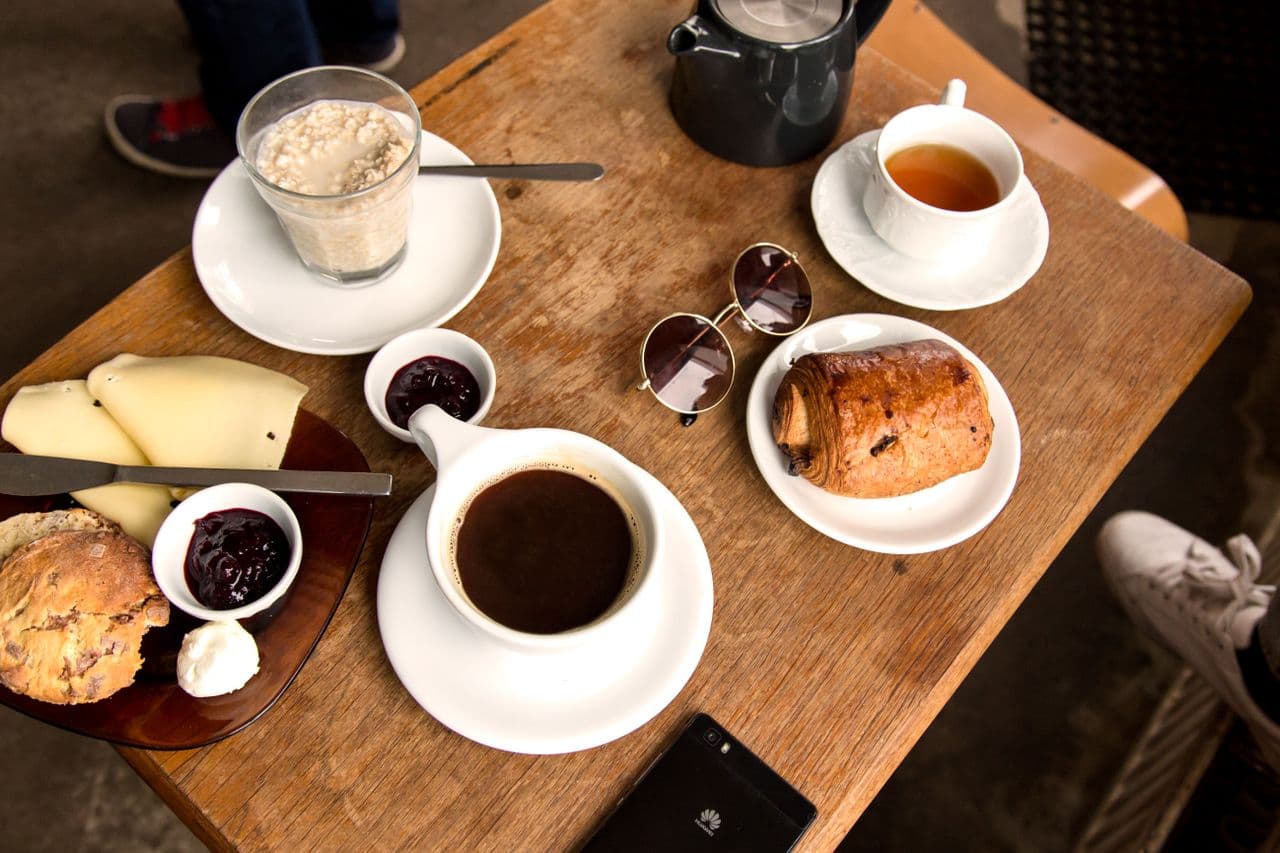
Waterfalls become framed by ice, glaciers seem even more stunning, lava fields disappear beneath fresh snow and daylight becomes… very short. Fortunately, Iceland knows exactly how to make up for that. Cosy cafés, steaming geothermal pools, arctic adventures and some of the world's finest Northern Lights displays become part of everyday life, isn’t that a trade-off we all can accept?
Why Visit During Winter
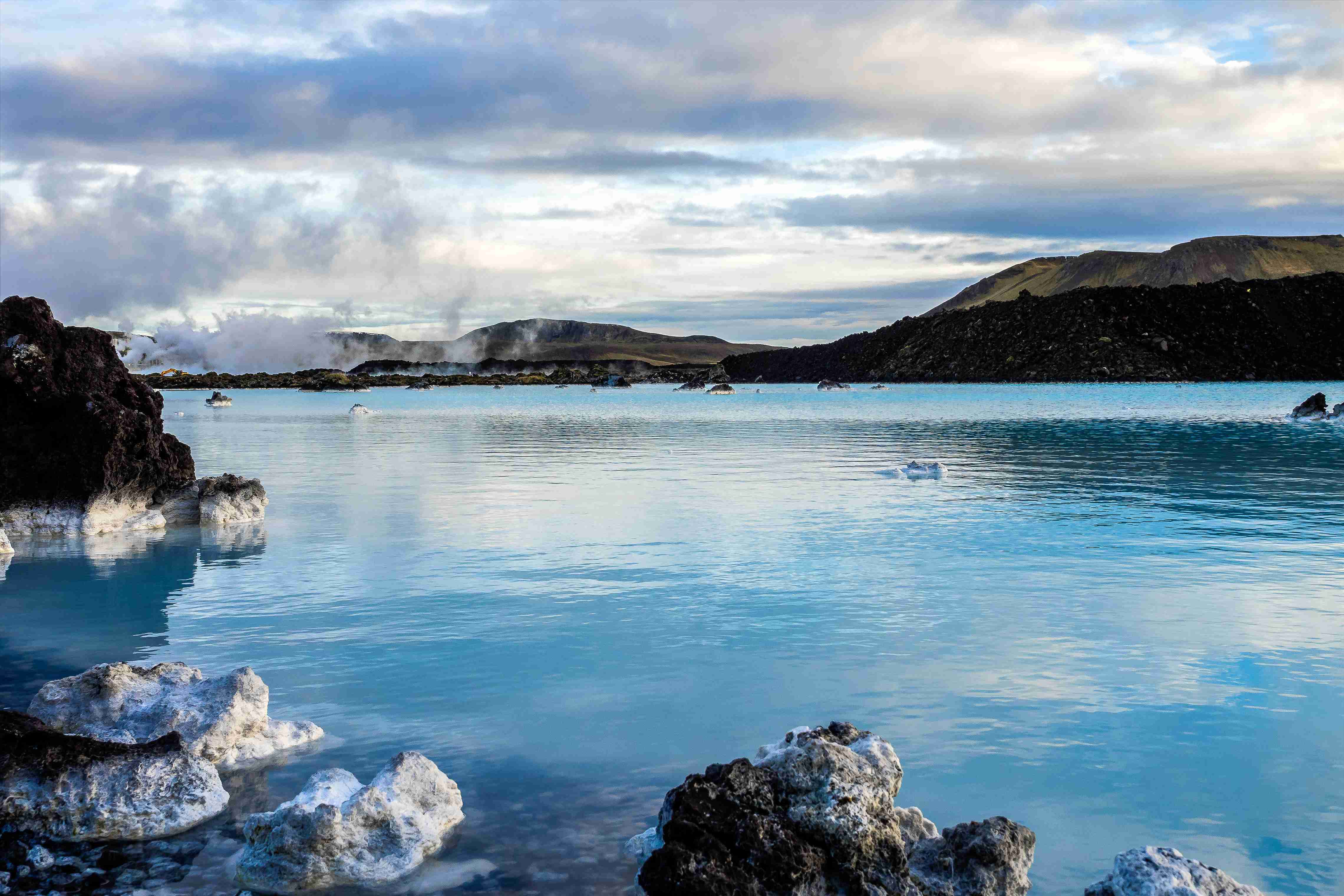
For many travellers from India, winter is Iceland's best time to visit. It's the only season where you can step inside naturally formed blue ice caves, chase the Northern Lights across Arctic skies, snowmobile over glaciers or spend an evening relaxing in warm geothermal water while snow falls around you.
Experiences Worth Looking Out For
Northern Lights tours, glacier hiking, ice cave expeditions inside Vatnajökull National Park, snowmobiling on Langjökull Glacier, whale watching from Reykjavík, relaxing in the Blue Lagoon or Secret Lagoon, and exploring the Golden Circle beneath a blanket of snow, and that’s just the start!
If you're searching for the best places to visit in Iceland in winter, the Golden Circle, Reykjavík, the South Coast, Skaftafell National Park, Jökulsárlón Glacier Lagoon and Diamond Beach all deserve a place at the very top of your itinerary. Likewise, if you're wondering about the best places to visit in Iceland in December, Reykjavík's Christmas markets, festive lights and cosy cafés pair beautifully with winter adventures along the South Coast and Northern Lights excursions.
Things to Keep in Mind
Daylight hours become very short, particularly during December, so planning each day carefully is important. Winter driving can also be challenging, making guided tours an excellent option for many travellers.
Best Time to Visit Iceland for Families
I'd comfortably recommend late May through August for families, if you’re looking for an ‘easier’ side of Iceland. Road conditions are excellent, the weather is milder and long daylight hours allow you to explore without a hurried schedule. Children usually love visiting waterfalls, spotting puffins, watching geysers erupt and walking along Iceland's famous black sand beaches, so yeah, you might want to consider this if you're going with kids. But…
However, if you’re on the hunt for the ‘fun’ part, families should travel during winter for a magnificent holiday, especially if Northern Lights, snow-covered landscapes and geothermal lagoons are high on the wish list. Just be prepared for colder temperatures and shorter days, that’s the only thing worth having in mind.
Best Time to Visit Iceland for Couples
Summer gives you road trips beneath the Midnight Sun, scenic hikes and peaceful evenings that seem to last forever. Winter replaces all of that with snow-covered landscapes, steaming hot springs, glacier adventures and the possibility of watching the Northern Lights together!
If you're planning a honeymoon or a special getaway, September is often a wonderful middle ground, coming with fewer crowds, comfortable weather and the chances of the first aurora sightings of the season.
If you'd rather travel beyond the usual route or build your holiday entirely around your interests, browse our tailor-made holidays and create an Iceland adventure that's uniquely yours.
Best Time to Visit Iceland for Pleasant Weather
If comfortable weather is your priority, plan your holiday between June and August. These months give you the warmest temperatures, the longest days and the easiest conditions for exploring Iceland's famous natural attractions. They're also ideal for driving the Ring Road, hiking, whale watching and visiting the Highlands. Travellers who don't mind slightly cooler temperatures in exchange for fewer crowds should consider May or September instead.
When Is the Best Time to Visit Iceland for Northern Lights
Yes, the bucket list headliner. If seeing the Aurora Borealis sits right at the top of your bucket list, plan your trip between late September and early April, when Iceland's nights are long enough for the lights to dance. While they can occasionally be spotted at the beginning or end of the season, October to March generally gives you the best amalgam of long, dark nights and higher viewing chances.
Of course, the auroras still play by their own rules. Clear skies, strong solar activity and a little patience all have a part to play. If you're travelling specifically for the lights, try spending a few nights away from city lights, particularly in places like South Iceland or around the Kirkjubæjarklaustur region, where darker skies can significantly improve your chances.