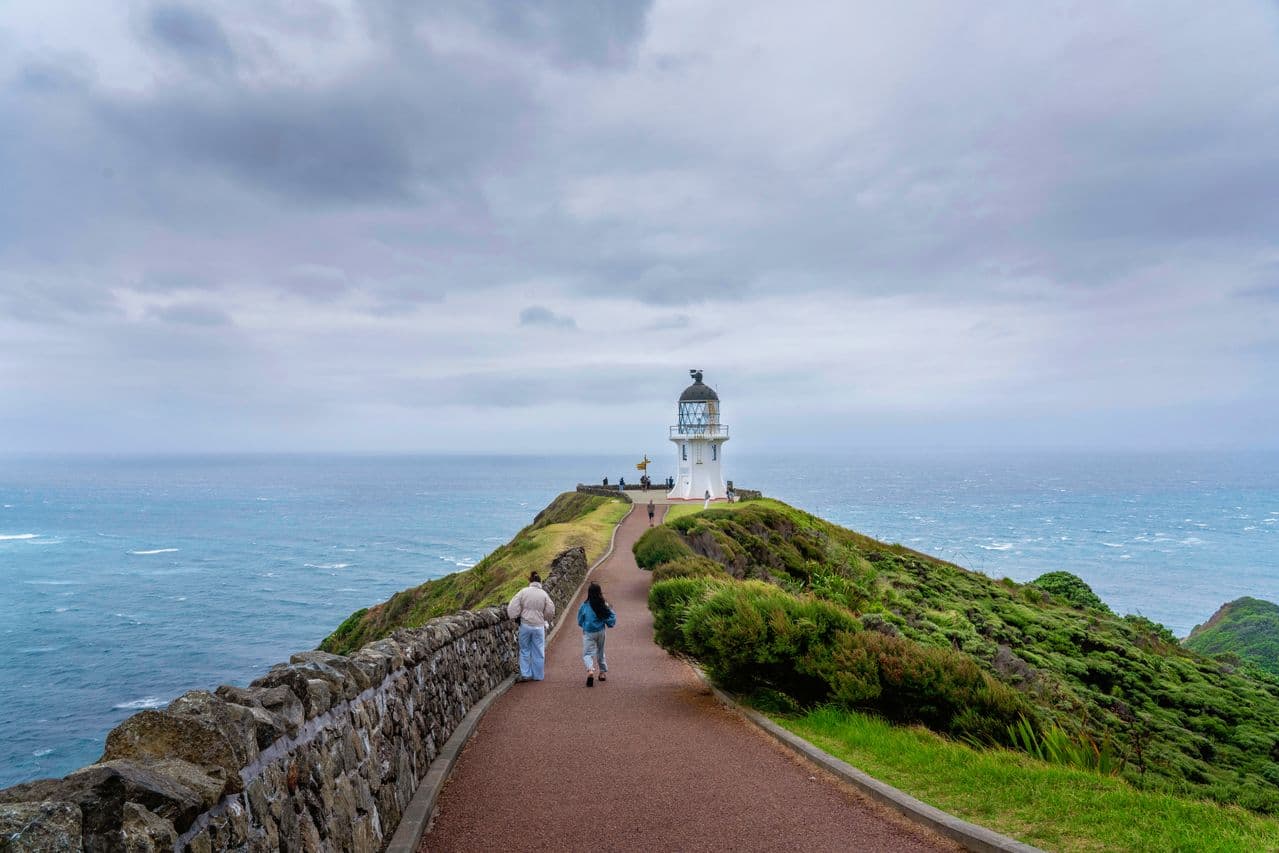
If we were all living in a sort of utopian world where we could do anything, anytime, (you'll get this from a google search), the best months to visit New Zealand would probably be February and March. The weather is warm, the busiest weeks of summer are behind you, and you get many of the same experiences without quite as many people around. But I’ll go a little beyond that in this blog…
Here, since most of us don't live in that perfect world where we can simply put life on hold and disappear to Middle-earth whenever we feel like it, I guess it's only safe to say that the best time to visit New Zealand is whenever your leaves, your budget and your favourite people all agree it's time to go.
Yet the good thing is, whenever you choose to visit, New Zealand always has something different to give you. So I've split this guide season by season, covering the weather, experiences, crowd levels, the best month to visit New Zealand, and what each time of year is actually like. Hopefully, by the end of it, you'll have a much clearer idea of which season suits your holiday, or what you’ll experience if you already have a time planned in mind!
New Zealand's Travel Seasons
Peak Travel Season: December to February
As I said before, summer is New Zealand's busiest travel season. Schools are on holiday, locals head outdoors, hiking trails are fully accessible and the weather is generally at its most reliable. It's the season of road trips, beach towns, vineyard lunches, glacier walks and long evenings.
So, naturally, this also means higher hotel prices, greater demand and popular attractions filling up well in advance. If you're planning to travel during Christmas, New Year or the school holidays, booking early is strongly recommended…
Quieter Travel Months: May and June
Before winter tourism fully picks up, New Zealand enjoys one of its quieter periods. May and early June often have fewer visitors, making it easier to find accommodation and enjoy many attractions without the crowds. While temperatures are cooler, much of the country remains easily accessible, particularly across the North Island.
If your priority is peaceful sightseeing rather than beaches or skiing, this can be a surprisingly good time to visit New Zealand.
Shoulder Season: March to April and September to November
These are kind of the sweet spots. Crowds are noticeably smaller, accommodation is often more reasonably priced and the weather remains pleasant across much of the country. Depending on when you visit, you could find yourself hiking beneath colourful autumn forests or driving through valleys bursting with spring blossoms only a few months later…
Not sure which season suits your travel plans? Connect with our destination experts and we'll help you choose the New Zealand holiday that's right for you.
Spring in New Zealand (September to November)
Temperature
Spring temperatures generally range between 10°C and 20°C, although alpine regions remain considerably cooler.
What the Season Feels Like
Snow is still there on the higher peaks of the Southern Alps, yet valleys begin turning a beautiful bright shade of green. Roads are lined with blossoming trees, vineyards come back to life and waterfalls, fuelled by melting snow, are often at their most spectacular. It's one of those seasons where winter hasn't completely left, but summer has already started knocking on the door…
Why Visit During Spring
If you enjoy pleasant weather without the peak-season crowds, spring is an excellent choice. Popular attractions feel noticeably less crowded, accommodation is generally easier to secure and many outdoor activities are already operating. For travellers looking for the best time to go to New Zealand, spring often gives a good amalgam of comfortable weather, good value and fewer tourists.
Experiences Worth Looking Out For
Spring is one of the finest seasons for scenic drives across both islands. Gardens and parks burst into colour, particularly around Christchurch, while hiking trails become increasingly accessible as the weather improves.
It's also an excellent time for wildlife. Seal colonies become more active, migratory birds return and, depending on where you travel, you may even spot newborn lambs scattered across the rolling countryside, a scene that feels uniquely New Zealand. The glaciers around Franz Josef and Fox Glacier also look particularly stunning against fresh spring greenery, while Milford Sound often receives heavier rainfall during this period, resulting in hundreds of temporary waterfalls cascading down the surrounding cliffs…
Things to Keep in Mind
Spring weather enjoys keeping you on your toes. A bright, sunny morning can easily become a cool, windy afternoon, particularly around mountainous regions. Layered clothing and a waterproof jacket always deserve their place in your bag.
Still deciding which destinations deserve a spot on your itinerary? Explore our detailed guide to the best places to visit in New Zealand.
Summer in New Zealand (December to February)
Temperature
Summer temperatures usually range between 20°C and 30°C, although coastal areas remain pleasantly cooler.
What the Season Feels Like
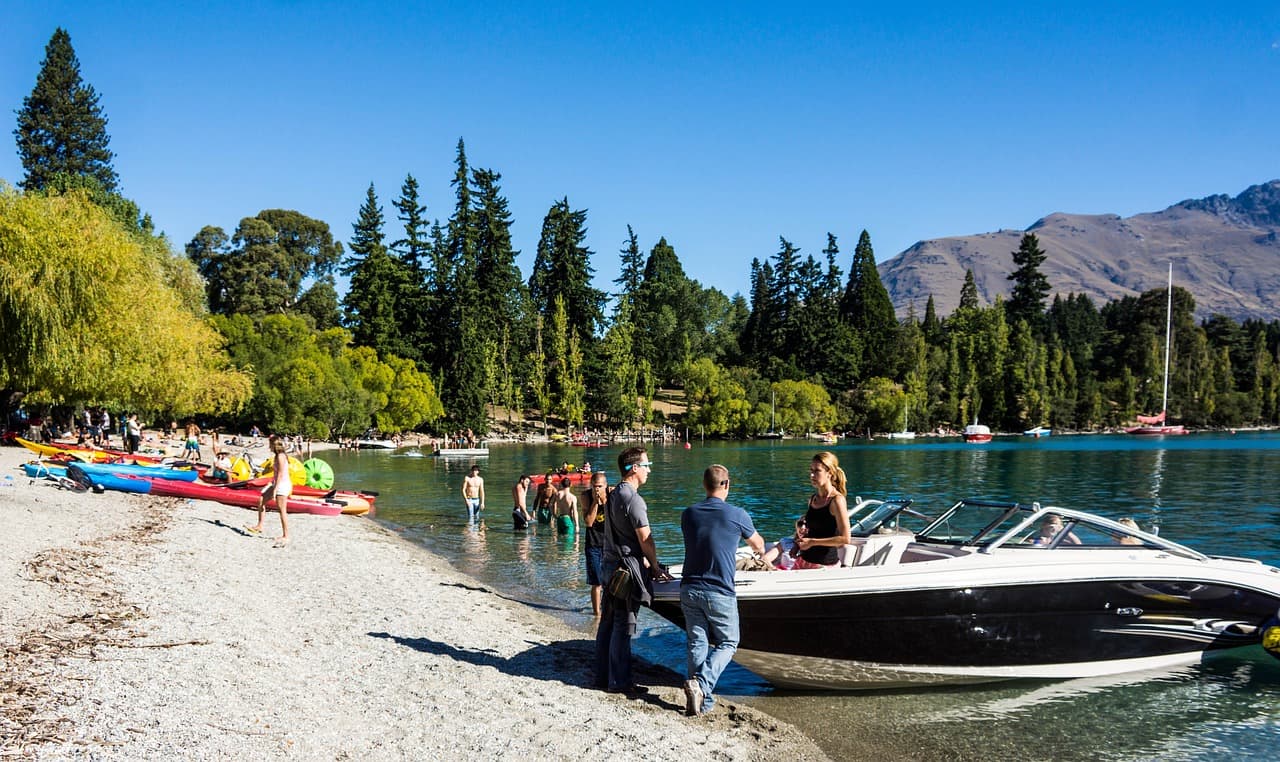
This is when the people of New Zealand (and tourists) spend most of their time outdoors. The days are long, cafés spread across the pavements, beaches fill with families, and road trips become almost a ritual for the people. Lakes take on a beautiful shade of blue, hiking trails remain fully open and the country's scenery becomes even more photogenic beneath clear summer skies. It's no surprise that summer is the crowd favourite for the best time to visit New Zealand.
Why Visit During Summer
If you're planning to explore both the North and South Islands, summer makes travelling between them much easier, with longer days and excellent road conditions. Mountain passes remain open, ferry crossings operate frequently and almost every outdoor activity is available, whether that's hiking, kayaking, whale watching, wine tasting or simply driving from one beautiful destination to the next!
Experiences Worth Looking Out For
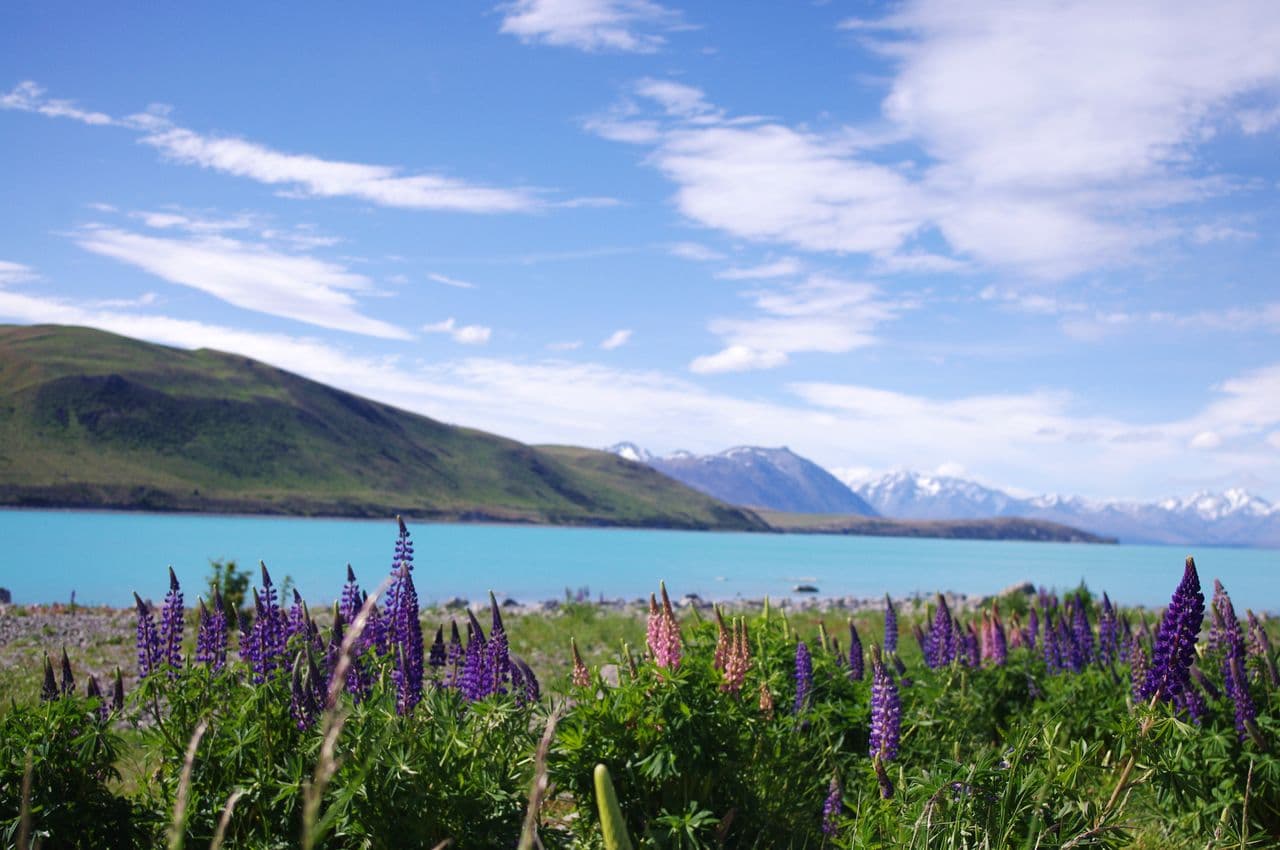
Summer is perfect for exploring Queenstown, cruising through Milford Sound, visiting Rotorua's geothermal parks, relaxing beside Lake Tekapo or driving the spectacular roads connecting Christchurch, Mount Cook and the South Island's alpine regions.
If you're wondering about the best places to visit in New Zealand in summer, destinations such as Abel Tasman National Park, the Coromandel Peninsula, Bay of Islands and Wanaka deserve a place at the top of your itinerary. Warm weather, calm waters and exceptionally long daylight hours make them ideal during these months.
Things to Keep in Mind
Summer, with all its beauty, is also New Zealand's busiest season. Hotels, campervans and domestic flights often sell out weeks, or even months in advance, particularly around Christmas and New Year. Planning ahead makes a noticeable difference to both availability and pricing.
Autumn in New Zealand (March to May)
Temperature
Autumn temperatures generally range between 8°C and 22°C, gradually becoming cooler as winter comes on.
What the Season Feels Like
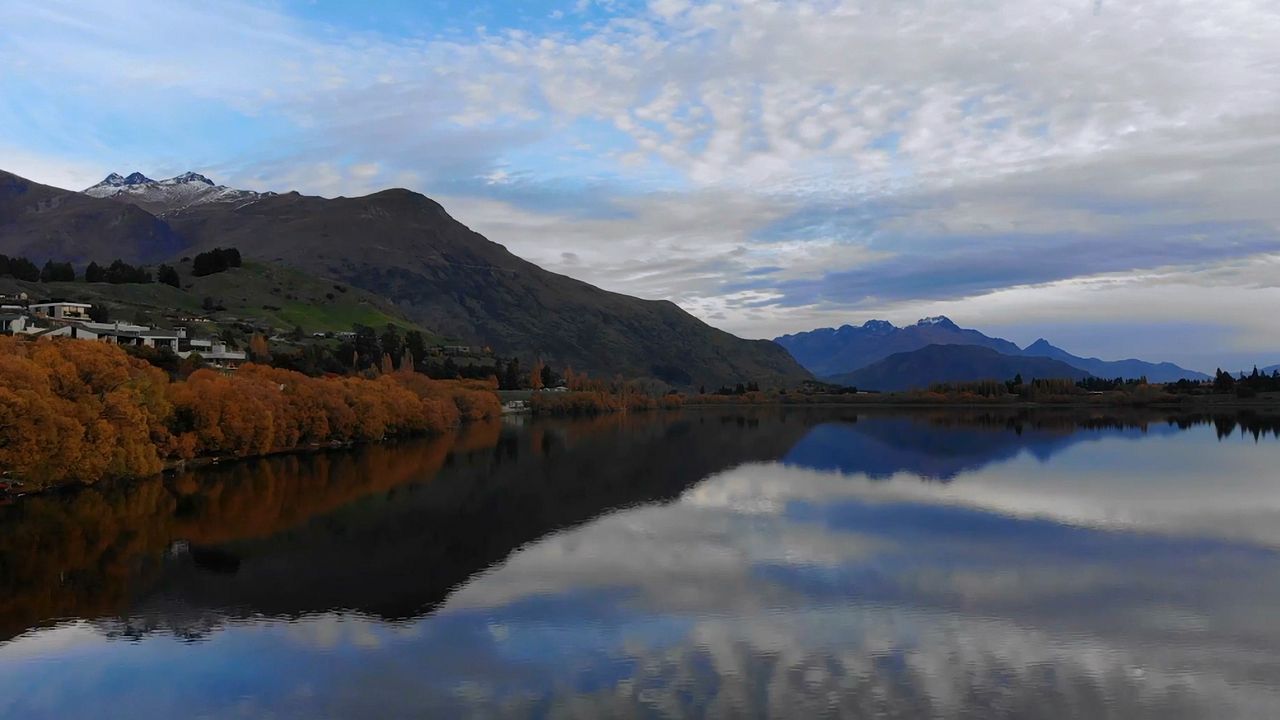
During this wonderful season, poplar and willow trees turn into shades of gold, vineyards prepare for harvest and cool mornings make scenic drives even more enjoyable. Places like Arrowtown, Wanaka and Central Otago become beautiful, with entire valleys glowing in autumn colours! Many travellers looking for the best places to visit in New Zealand in March find this to be one of the most picturesque times of the year…
Why Visit During Autumn
March and April are often considered some of the most comfortable months to travel. You'll still enjoy relatively mild weather, but without the crowds and prices that accompany peak summer holidays. Photography, road trips, wine regions and hiking all become especially enjoyable during this season.
Experiences Worth Looking Out For
Arrowtown is undoubtedly autumn's biggest star, with its famous tree-lined streets putting on an extraordinary display of colour every April. Central Otago vineyards enter harvest season, making it a fantastic time for wine lovers, while hiking around Mount Cook, Lake Pukaki and Wanaka becomes particularly pleasant thanks to the cooler temperatures.
Things to Keep in Mind
Daylight hours gradually become shorter, particularly towards May. While most attractions continue operating normally, evenings can become surprisingly chilly, especially across the South Island.
Winter in New Zealand (June to August)
Temperature
Winter temperatures generally range between 1°C and 15°C, with alpine regions frequently dropping below freezing.
What the Season Feels Like
New Zealand simply swaps hiking boots for snow boots during winter. As winter covers New Zealand, the Southern Alps turn white, ski towns become lively and clear winter mornings often produce some of the sharpest mountain views you'll see all year. While the North Island remains comparatively mild, much of the South Island changes into a haven for snow people!
Why Visit During Winter
If skiing, snowboarding or alpine scenery sit high on your bucket list, winter is undoubtedly the best season to visit New Zealand. Beyond the ski slopes, winter also brings quieter roads, fewer visitors at many attractions and remarkably clear skies across several parts of the country.
Experiences Worth Looking Out For
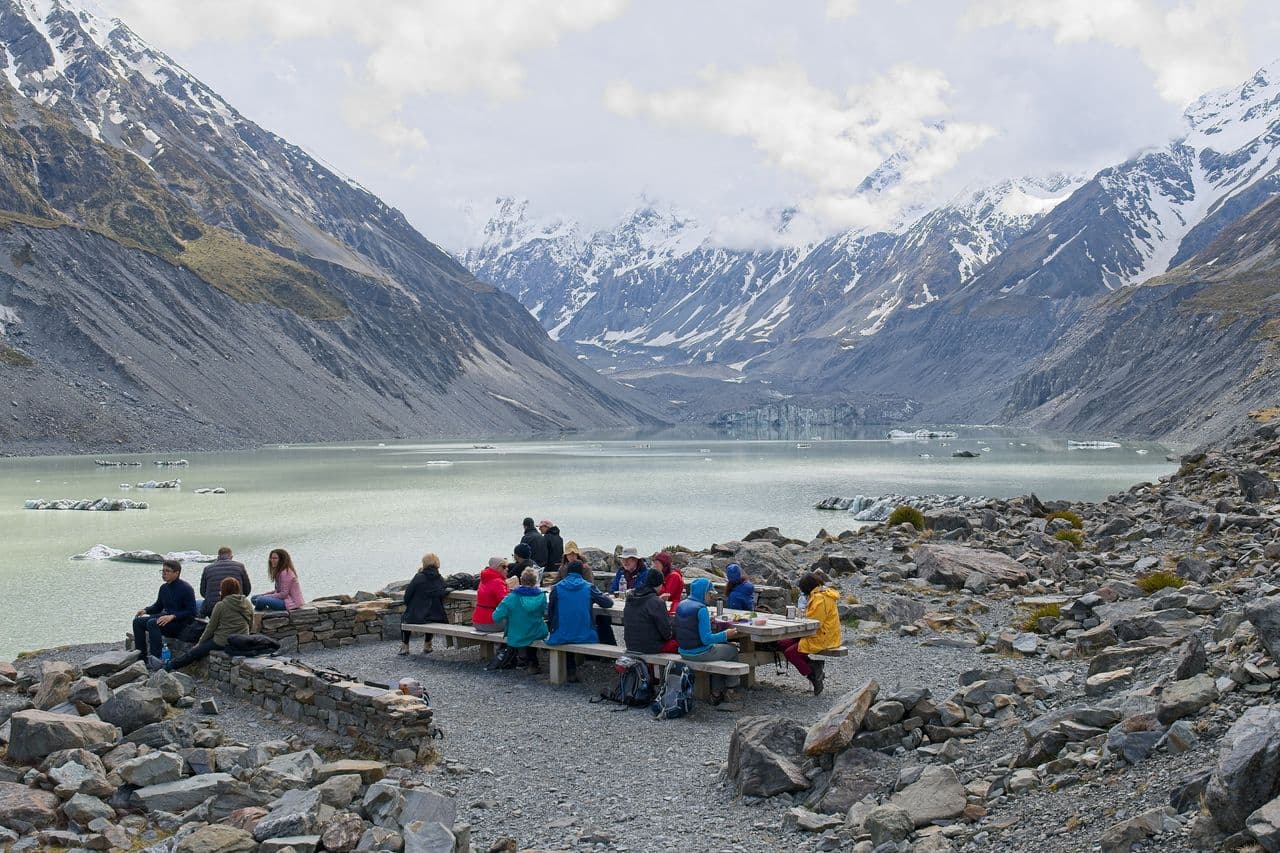
Queenstown and Wānaka become the country's winter capitals, with easy access to ski fields like Coronet Peak, The Remarkables, Cardrona and Treble Cone. Further north, Rotorua's naturally heated geothermal pools feel even more relaxing when surrounded by crisp winter air, while Aoraki / Mount Cook National Park offers some of the country's most spectacular snow-covered scenery.
Things to Keep in Mind
If you're planning to drive through alpine regions, always check road conditions beforehand. Snow chains may occasionally be required, and weather can change fairly quickly in higher elevations.
Looking for experiences beyond the usual sightseeing? Discover the best things to do in New Zealand.
Best Time to Visit New Zealand for Families
For most Indian families, December through February works very well. This is because school holidays align nicely, the weather is ideal for sightseeing and almost every attraction is operating at full capacity. Long daylight hours also make travelling with children or the elderly considerably easier, allowing you to fit more into each day.
That said, spring can be equally ideal for families looking to avoid peak-season crowds while still enjoying pleasant weather.
Planning a family holiday? Explore our thoughtfully designed New Zealand tour packages from India and let our experts handle every detail.
Best Time to Visit New Zealand for Couples
I’d say the place is a really good all-year round honeymoon destination. Summer brings vineyard lunches, lakeside walks and scenic drives, while autumn creates wonderfully romantic landscapes with quieter towns and colourful forests.
Winter too, is perfect for couples, with its alpine lodges, cosy cafés and snow-covered mountain escapes, whereas spring gives you blooming gardens and peaceful hiking trails before the summer crowds arrive. If you're travelling for a honeymoon or anniversary, March and April often strike a particularly lovely middle-ground between comfortable weather, beautiful scenery and a slower way of travel.
Looking for something more personal? Discover our private holidays created entirely around your travel style.
Best Time to Visit New Zealand for Pleasant Weather
If comfortable weather is your biggest priority, late November through April is generally your safest bet. March deserves a special mention here, as many travellers consider it the ideal amalgam of warm temperatures, fewer crowds and excellent road-trip conditions, making it one of the strongest contenders for the best month to visit New Zealand.
Ultimately though, the best time to visit New Zealand depends entirely on what you want from your holiday. Summer is made for beaches and road trips, autumn rewards photographers, winter belongs to alpine adventures, while spring gives some of the country's most beautiful landscapes without the crowds.
When Should You Visit New Zealand and How?
There really isn't a wrong answer. The country simply changes with the seasons. Once you've figured out when you want to visit, the next question is usually how you want to experience New Zealand, perhaps through a group tour, a tailor-made holiday or entirely on your own. Whatever you choose, our New Zealand tour packages from India are designed to help you experience the country without worrying about the planning. With flights, carefully selected hotels, sightseeing, visa assistance, experienced tour managers and trusted local partnerships, we make sure you get the very best out of every day of your journey!