I suppose you wouldn’t want to be on a game drive at 6 am, wrapped in the hotel blanket you borrowed because you left your precious jacket back home. Then again, you wouldn’t want to feel like you’re in a microwave on a Kruger afternoon, still wearing the jacket you were so glad to have at 6 am?
Here’s where it NORMALLY goes wrong. ‘Normally’ is in caps because I’ve seen a lot of people making these mistakes very often on their first trip to South Africa. See, South Africa is in the southern hemisphere, so our summer is their winter. And even within the same season, the weather isn’t the same everywhere: while Cape Town is cool and rainy in winter, the northern bush is dry and sunny by day and close to freezing at night. The weather changes a lot between a dry bush morning, a windy Cape Town afternoon and a warm evening by the pool. And it doesn’t just stop at clothes, so below are my packing tips for South Africa, starting with the things everyone needs, then moving on to safari, the coast, families and all things useful.
What to Pack for South Africa: The Essentials
Documents
Keep your passport, your approved ETA confirmation, return tickets, travel insurance details and your hotel bookings together in one folder, with a copy of everything on your phone. It's also a good idea carrying a printout of your itinerary and any prescriptions from your doctor.
A yellow fever certificate is only needed if you're arriving from, or spending more than 12 hours in transit through, a yellow-fever risk country. India isn't on South Africa's list, but check where your connecting flight stops before you go.
Health
Keep a small first aid kit with plasters, antiseptic wipes, antihistamines, pain relievers and anti-diarrhoea tablets, plus any regular medicines in their original packaging. Pilanesberg, which is on most itineraries, is malaria-free, but some areas such as Kruger National Park carry a malaria risk, so speak to a doctor about your route about six weeks before you go.
Electronics
South Africa uses 220 to 240 volts at 50 hertz, so most phone and camera chargers work fine. The sockets are mostly the large three-round-pin Type M, with newer ones moving to Type N, so bring a good universal adapter that includes Type M. A power bank (20,000 mAh) really helps on long drives, and need I say this? A camera with extra memory cards is a must for game drives.
Money
Carry a little cash in rand for tips. A tip of 10 to 15 per cent is normal at restaurants, and guides and trackers on safari are usually tipped around $15 to $20 (roughly ₹1,400 to ₹1,900) per person per day.
What to Pack for Safari in South Africa
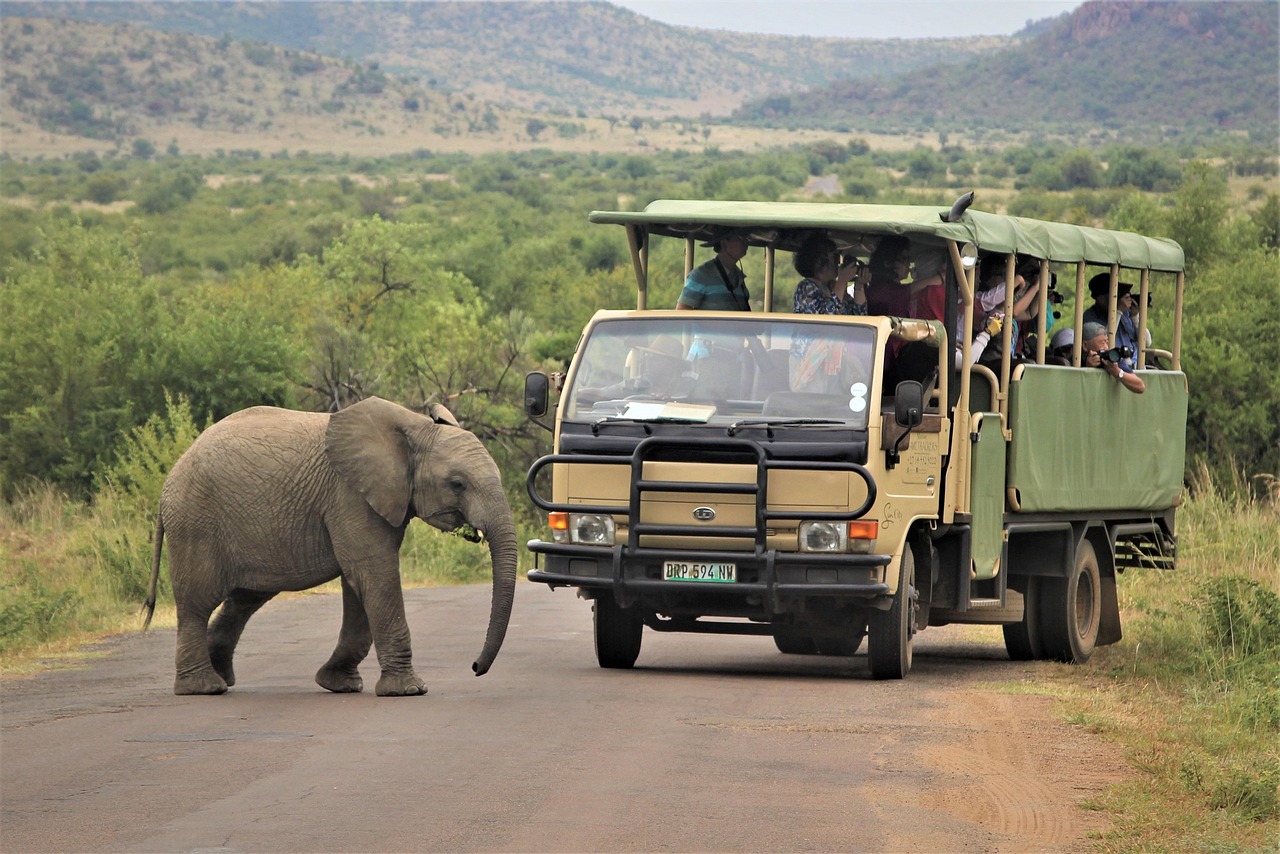
What to Wear on Safari in South Africa
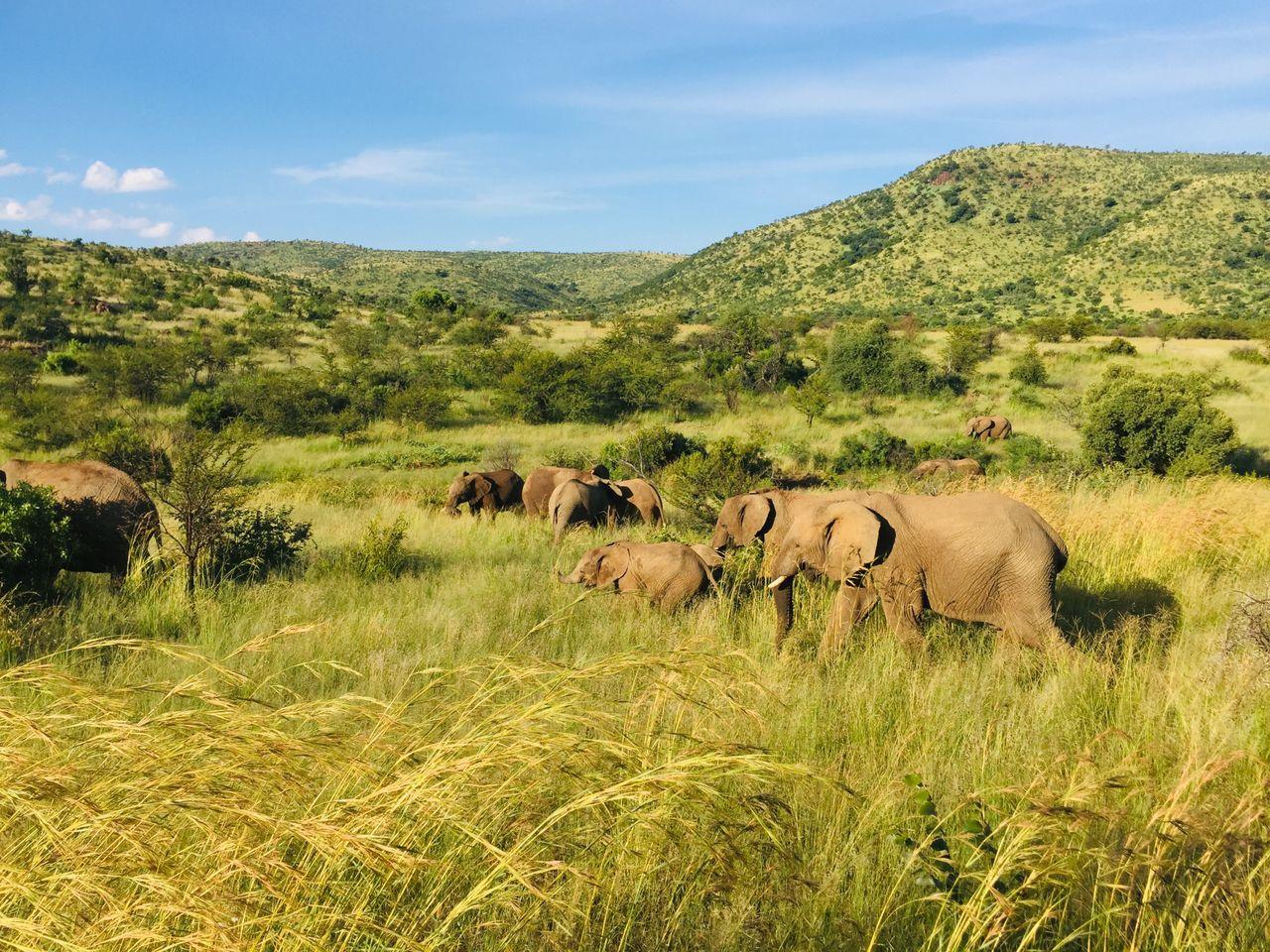
Okay, let’s start with the colours; Khaki, olive, brown and grey are best. White shows the dust and stands out to wildlife, bright colours do the same, and blue and black attract biting insects.
Now, dressing in layers is the real secret. Dawn and dusk drives can be cold, especially from May to September, so pack a long-sleeved shirt, a fleece or light down jacket, and even gloves and a scarf in winter. By midday, you'll be back in a t-shirt. Add a wide-brimmed hat that fastens under your chin for open vehicles, polarised sunglasses and a packable rain jacket, although safari vehicles often carry ponchos.
What Shoes to Wear on Safari in South Africa
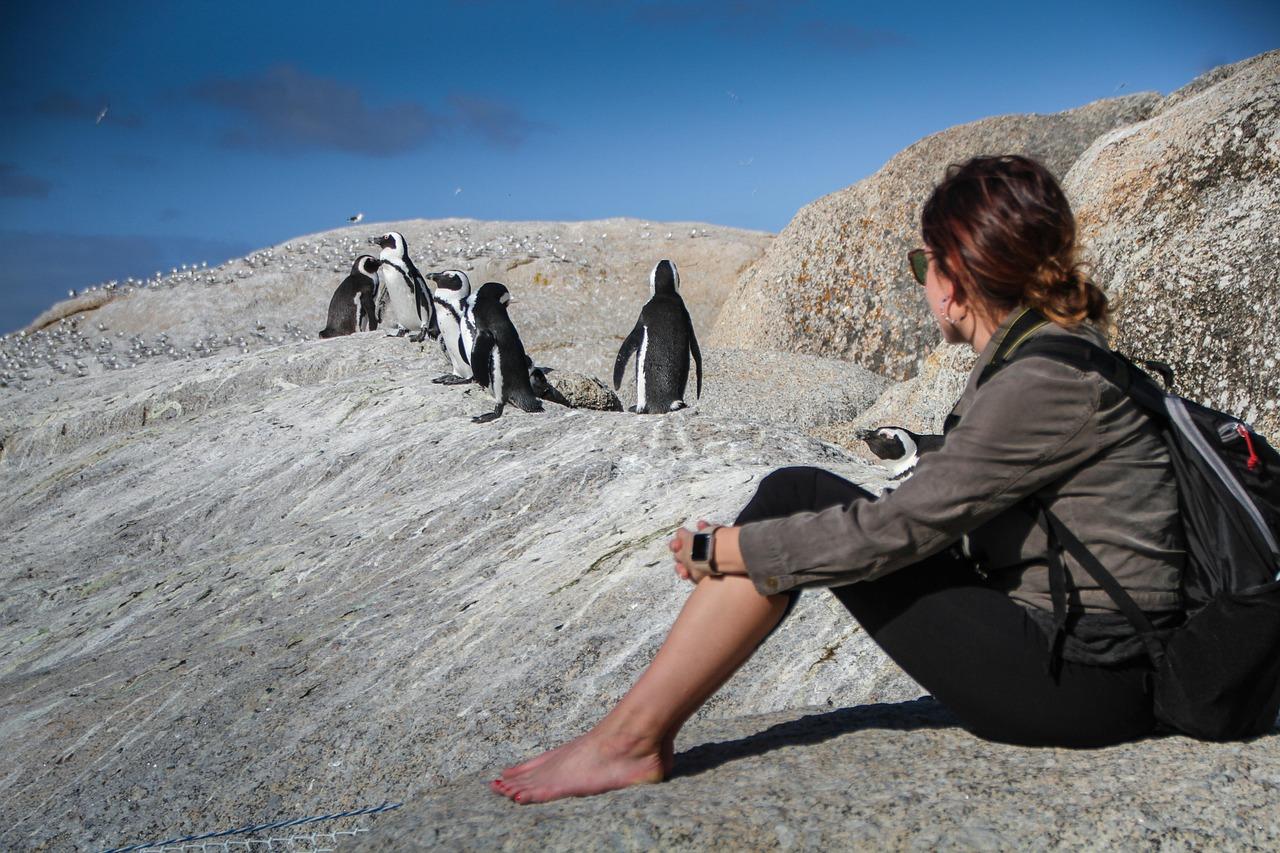
Lightweight, closed walking/running shoes with good grip are all you need. Pick a non-white colour, since white shows every bit of dust. Sandals or flip-flops are fine for relaxing at the lodge, but keep your closed shoes on for the drive and any walking.
What to Take on Safari in South Africa
Pack your own binoculars, a camera with a zoom lens, a reusable 1-2 L water bottle, insect repellent, strong sunscreen and SPF lip balm, because UV is much higher than most of us are used to. Pack two swimsuits, too, so one can dry while you wear the other because places like Sun City come with access to water parks like the Valley of the Waves.
Leave These at Home
Formal clothes (there's no dress code on safari), hair dryers (many camps can't power them), drones (they need permits or are banned in many places) and camouflage prints (they're illegal in several African countries, so it's safest to skip them altogether).
Still unsure about what to carry for your dates? Connect with our experts, and we'll help you plan.
Packing Tips for South Africa's Cape Town and Garden Route
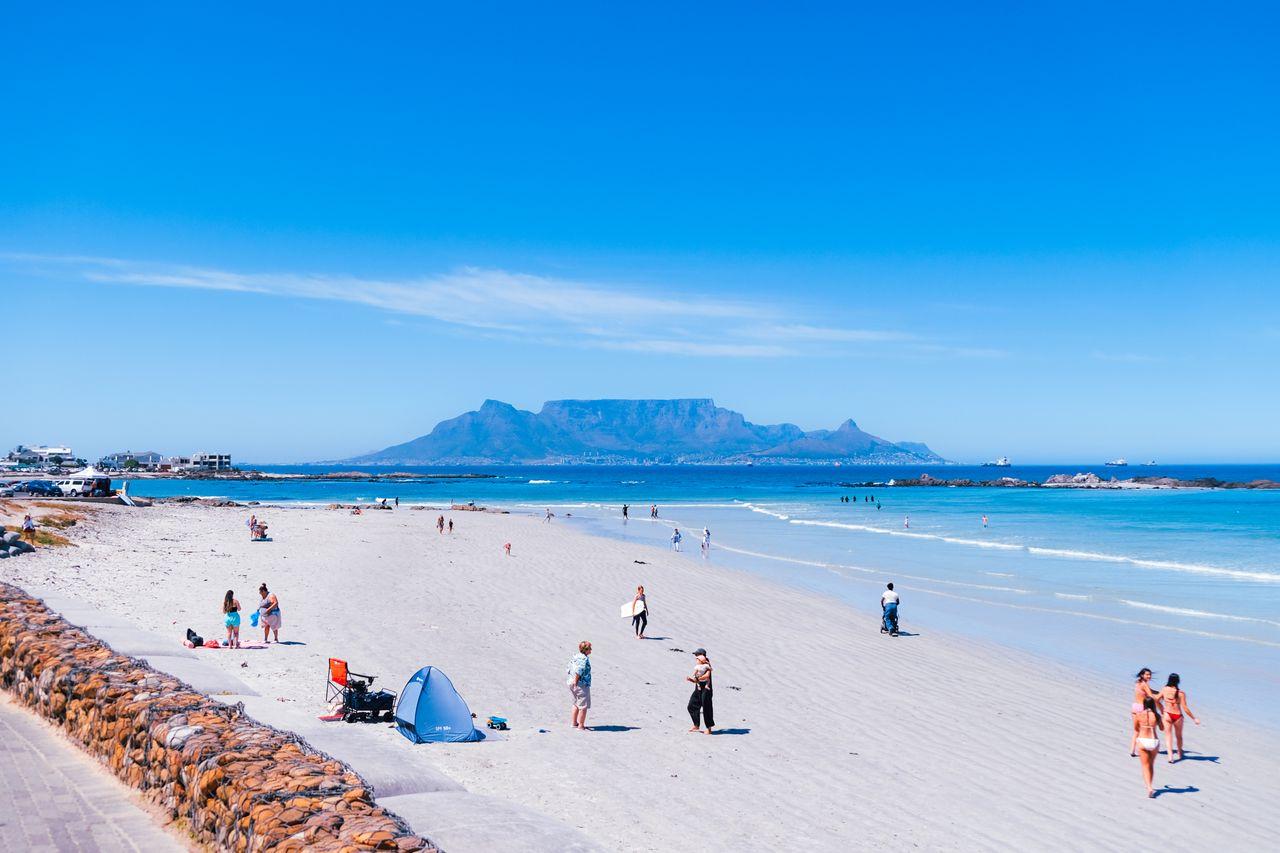
Cape Town needs a different bag from the bush. A strong south-easterly wind called the Cape Doctor blows in spring and summer, so pack for cold evenings even if the day is hot. A windproof or rain jacket is useful all year, especially on Table Mountain and at Cape Point since the cable car queues can be long in summer.
Wear comfortable closed shoes for Table Mountain, Cape Point and the walk through Bo-Kaap, and add sunscreen and a hat. Swimwear is useful too, although the Atlantic is cold. Here's a quick season guide:
Summer (December to February): light cotton clothes, swimwear, sunscreen
Autumn (March to May): a jacket or two for chilly evenings
Winter (June to September): long trousers, sweaters, a scarf and a windproof jacket
Spring (from mid-September): a rain jacket and closed shoes
What to Pack if You're Travelling With Kids
I get that game drives are really fun for children, but a few things need planning. Many lodges and reserves set a minimum age of around 6 for game drives, especially on shared vehicles. Even though a private vehicle gives you more flexibility, check before you book.
When it comes to what to pack for safari in South Africa with kids, the basics apply to them as well: sunscreen, insect repellent, binoculars and a good camera. A small pair of binoculars for each child will keep them busy. I'd also tuck in a hat for each child, a spare warm layer for early mornings, a refillable water bottle, a few snacks and a colouring pad for the drive. Also, choosing a malaria-free reserve like Pilanesberg makes things simpler with young children.
Want more travel tips and guides before you go? Browse our blogs page for ideas to help you plan every part of your trip.
If You Only Want to Pack the ‘Really’ Important Stuff
Here are my last packing tips for South Africa, as a short list of what you shouldn't leave behind:
Passport, ETA confirmation and insurance papers
A universal adapter with Type M
A power bank
Layers, including a warm jacket and a windproof or rain jacket
Lightweight closed walking shoes
A hat, sunglasses and sunscreen
Binoculars and a camera
Insect repellent and a small first aid kit
Your regular medicines, with prescriptions
A swimsuit
If your route includes small planes to remote lodges, luggage limits can be strict, so choose a soft bag and pack light.
Still looking for inspiration? Browse through more ideas, destinations and tour packages with us today!
Packed and Ready?
So, how can you plan a perfect trip? If you'd like everything taken care of, our South Africa tour packages from India include hotels, transfers, sightseeing and visa assistance, so your packing list is the only thing you need to worry about.