For a country that’s mostly sunshine and coastline, Australia causes a surprising amount of overthinking…. And depending on who you ask, it’s either all beaches and barbecues or full of spiders!
Try it sometime, say you’re heading to Australia to a room and watch the questions start flying. So naturally, people have questions. Some of them make sense, some of them are slightly all over the place, and well, some sound like they were typed into their browsers at 3 in the morning.
But instead of pretending otherwise, let’s answer them properly. Here are 10 questions about Australia that everyone seems to have, whether they admit it or not.
1. How do Aussies say hello?
You’ll hear “G’day” pretty quickly here. Yes, people genuinely say it and no, it’s not a tourism conspiracy. Add a casual “mate” to that and you’re in business.
Australians are friendly without the fireworks, the humour's pretty dry and also, you don't need to speak fluent slang, just don’t panic when you hear words like “arvo” or “barbie.” (You’ll know what those mean towards the end)
2. Is Australia famous for food?
There isn’t one “Australian cuisine” in the traditional sense. It’s more like they took Italian, Greek, Vietnamese, Thai, Lebanese, British pub food, excellent seafood, ridiculous produce… and said, “we’ll have all of that.”
To put it simply, Sydney does seafood brilliantly, Melbourne takes coffee very seriously and Adelaide leans into wine and very long lunches. There’s also the classic Aussie barbecue, with meat pies, pavlova, lamingtons, and more.
3. Will I be able to see kangaroos in the street?
In downtown Sydney? No. In parks, golf courses, rural areas, or just outside city limits? Very possible.
You probably won’t see one ordering coffee or casually crossing highways every five minutes, but they’re far from rare. Step outside major city centres and watch your odds improve…
4. Why is Australia called “The Lucky Country”?
Originally, the phrase had political undertones, where the place was ironically criticized in 1964 for achieving prosperity through immense natural resources and good fortune rather than intelligent leadership or innovation!
Today, it feels quite literal. I mean, a stable economy, high quality of life, beaches that look filtered in real life, ancient rainforests, coral reefs, desert landscapes, and wildlife you won’t see anywhere else, phew, that was a lot.
You can wake up near the ocean and end your day in the mountains here. How much more lucky can it get?
5. What are the best places to visit in Australia?
This is where it gets impossible to answer in one breath.
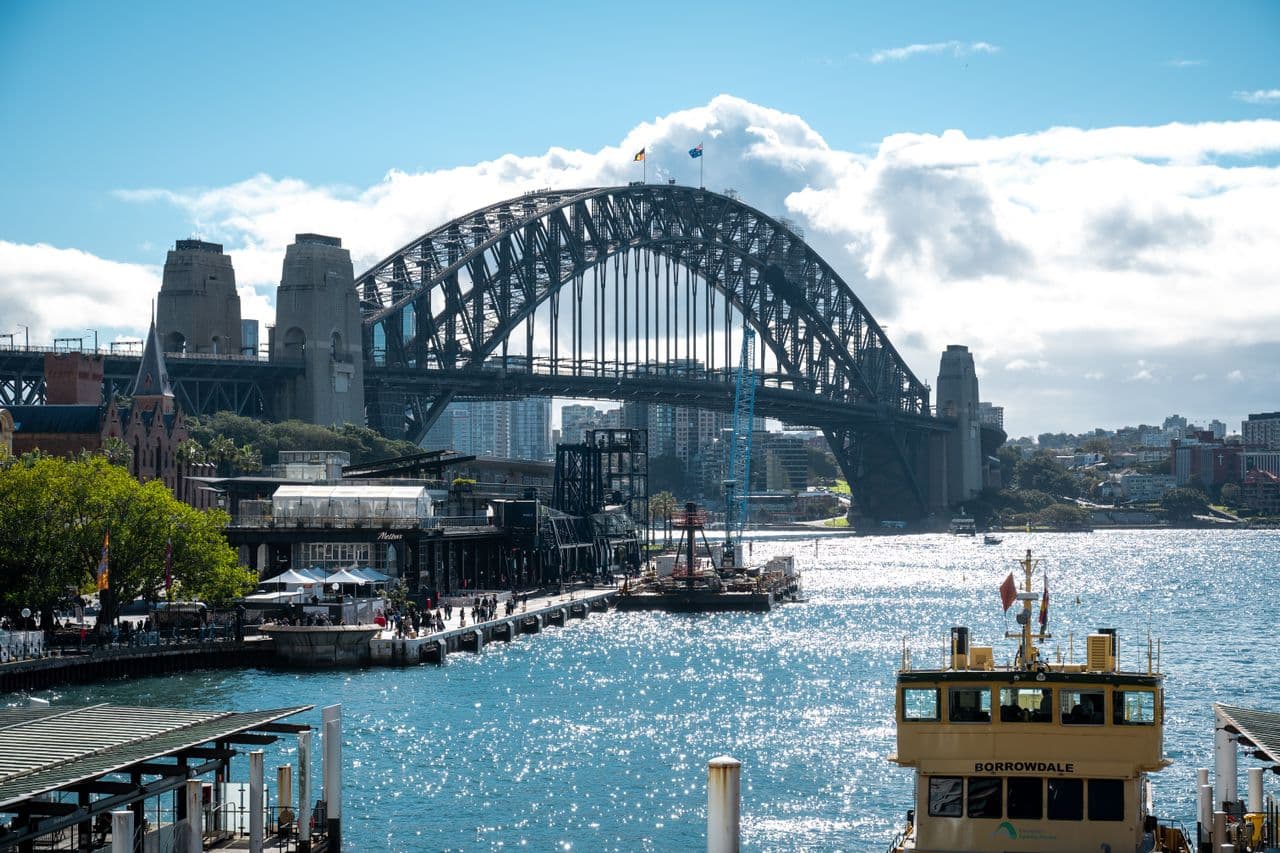
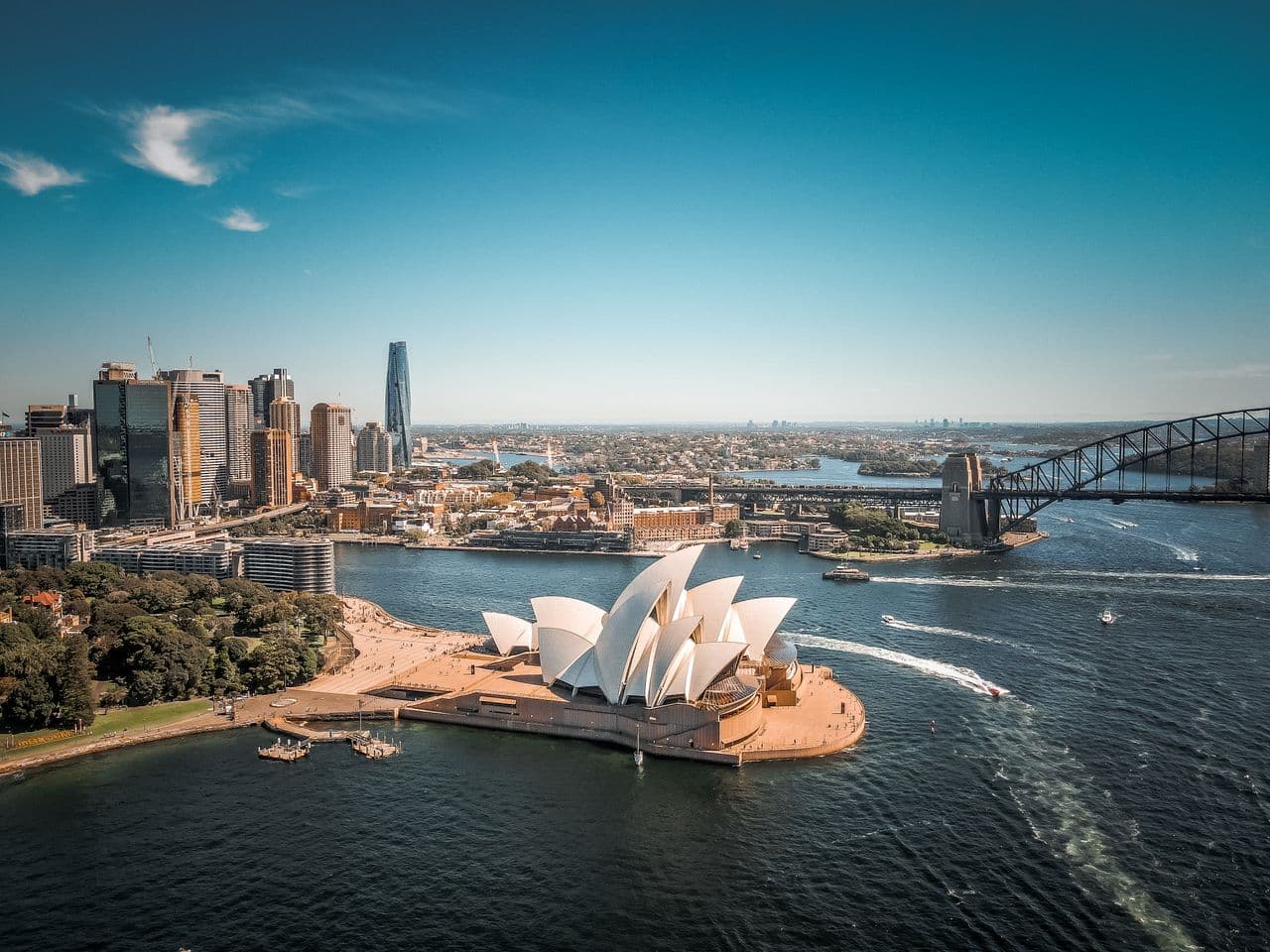
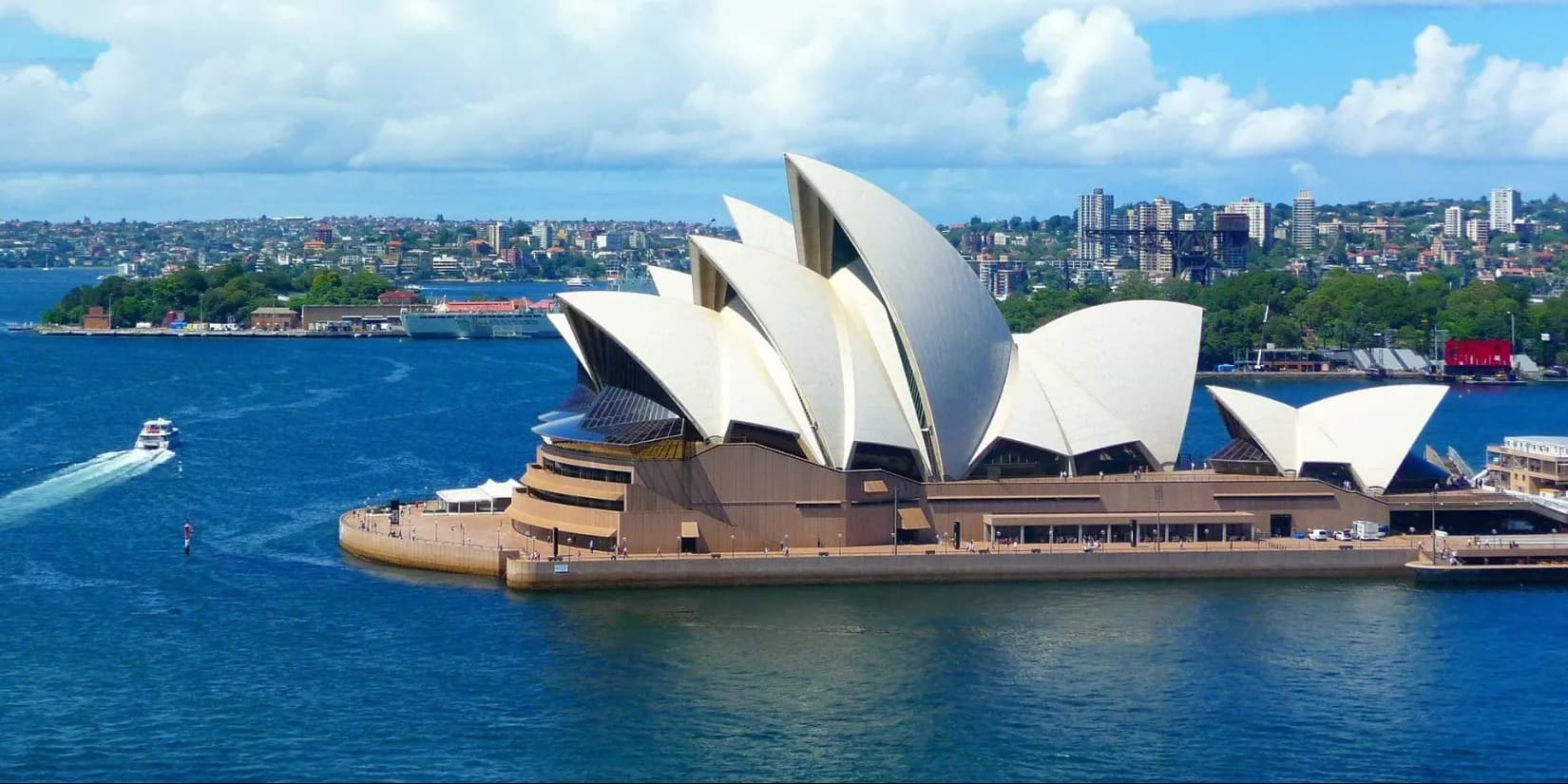
Sydney is usually the first stop for international travellers. You’ve got the harbour, coastal walks like Bondi to Coogee, river cruises and of course the Opera House skyline that looks just as good in real life as it does in photos.
Melbourne answers this question very differently. It's more about culture than coastline. Street art, serious coffee culture, live sport, and a cuisine that people genuinely travel for.
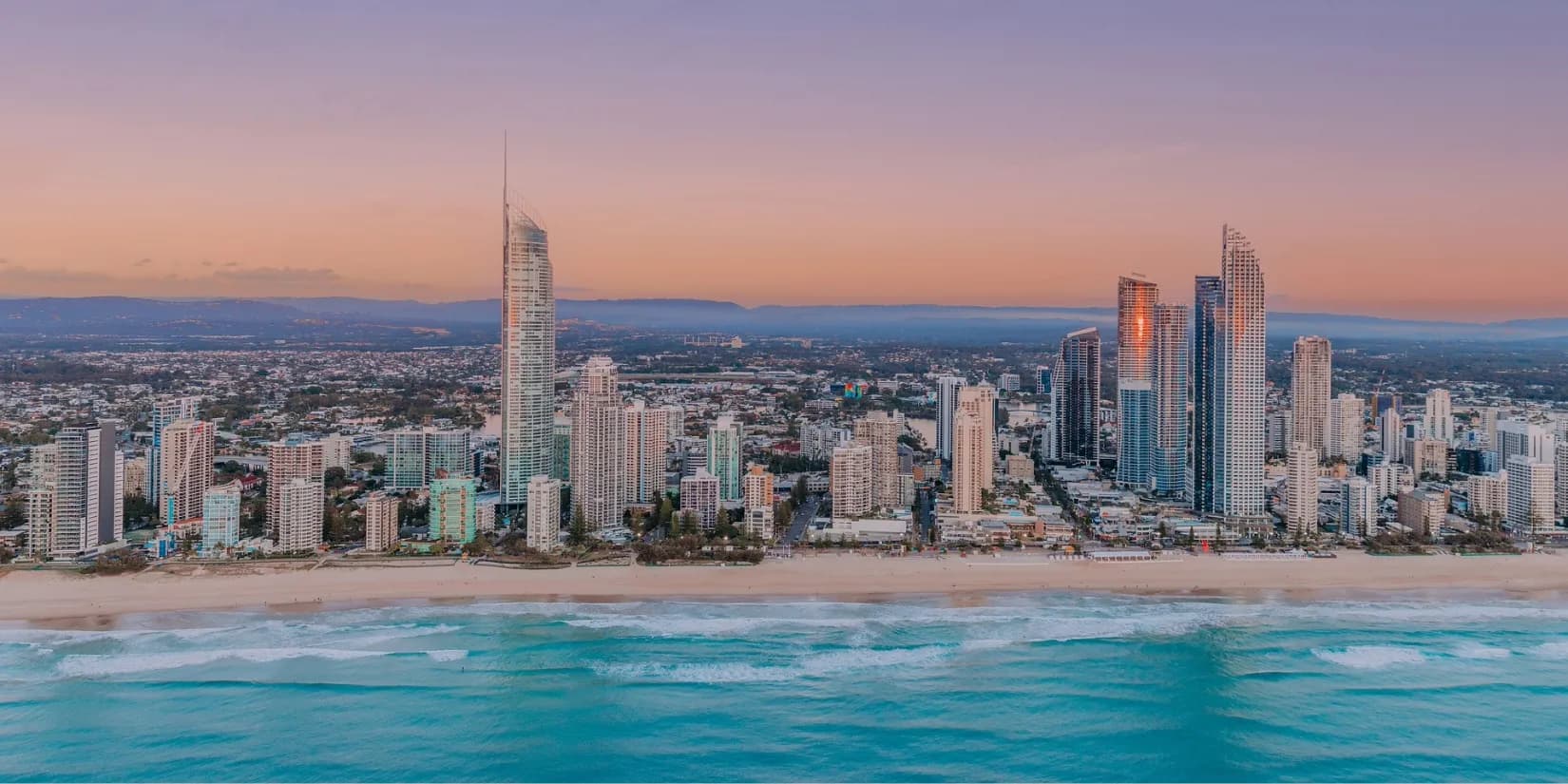
Gold Coast is all sunshine and rainbows, with it surf beaches, theme parks and more. It’s relaxed, warm, and built for outdoor living, making it a crowd favourite among the best places to visit in Australia.
Adelaide moves at a much slower pace, with a strong wine culture and easy access to regions like the Barossa Valley and McLaren Vale; making it ideal if you prefer relaxed pauses over rushed sightseeing.
Brisbane is underrated and it is easygoing, with relaxed riverfront spaces, a steadily growing food culture, and great access to nearby islands and hinterland.
Cairns is the gateway to the Great Barrier Reef and tropical north Queensland, offering reef trips, rainforest experiences, and that laid-back atmosphere that defines the region.
And all that’s before you even mention the Outback!
If you want a detailed breakdown of what to actually do and see in each of these places, check out this detailed guide on the best things to do in Australia, that goes into specific activities, experiences, and how to plan your time properly!
The best places to visit in Australia are basically combinations. Reef mornings, rainforest railways, ocean drives, wildlife encounters. That’s why many Australia tours combine multiple regions instead of focusing on just one, because picking only one is slightly unfair.
6. What animals can you see in Australia?
A lot more than people realise, actually.
Nearly four out of five animals in Australia aren’t found anywhere else on Earth, which is why nature itself feels a little different once you’re here. You can spot kangaroos out in open grasslands, koalas tucked into eucalyptus trees, wombats wandering around at dusk, and dolphins cruising along the coastline. Up north, spot crocodiles that are part of the landscape, and in Tasmania you’ll find the Tasmanian devil, which is a much cuter devil than most people imagine it to be.
If you’re curious to know more about these animals and some of their more unusual traits, we’ve covered them in detail in our recent blog on Animals in Australia!
.webp)
7. Do Australians really shorten every word?
Yeah, they’re real. Properly real.
You will hear people say arvo instead of afternoon. Sunnies instead of sunglasses. Brekkie instead of breakfast. And yes, McDonald’s is very casually called Maccas, to the point where the company itself leans into it here.
Not every sentence is shortened, obviously. Australians aren’t walking around compressing entire paragraphs into three syllables…
By day three, you’ll catch yourself doing it too. Resistance is futile!
8. Is Australia expensive to travel?
Flights are usually the biggest cost. Once you’re there, expenses depend on your style; luxury dining versus casual cafés, boutique stays versus smart group planning.
Most travellers find that well-planned Australia tour packages help manage costs across multiple cities. When transport, accommodation, and key experiences are bundled together, it often works out smoother and cheaper than building everything from scratch. A well-planned group holiday to Australia is designed in a way that it’s a bang for every buck you pay!
Connect with our team of travel experts to plan your Australia holiday exactly the way you want it.
9. What’s the best time of the year to visit Australia?
It depends on where you’re going as Australia’s seasons flip compared to the northern hemisphere.
Summer (December–February) is peak beach weather in the south. Winter (June–August) is ideal for northern spots like Cairns, where the climate is warm but more comfortable. Spring and autumn? Safe bets almost everywhere! Because Australia is massive, there’s always somewhere in season. You just match the region to the calendar.
10. How long do you actually need to explore Australia properly?
For at least an introduction, you’ll need longer than a long weekend of course.
If you’re focusing on just one city, four to five days works really well. It gives you enough time to explore properly without rushing through everything. A shorter trip like this 4-Day Australia Victoria Cultural Discovery is a good example of how you can experience one region in depth.
If it’s your first time and you want a mix, around nine days is the pick. You’ll see the highlights, get a feel for different landscapes, and still have breathing space. An itinerary like this Australia Essentials tour package is structured around that kind of pace, covering multiple regions without turning the trip into a checklist.
But if you want the big picture; major cities, wildlife, reefs, coastline, and a taste of the Outback, then closer to two weeks makes more sense. That’s where something like this 13-Day All-Inclusive Australia Coast to Outback Journey really works, because it connects places like Sydney, Gold Coast, Cairns, and Melbourne into one stunning experience.
To sum it up, Australia is pretty large, so the more time you give it, the more it gives back.