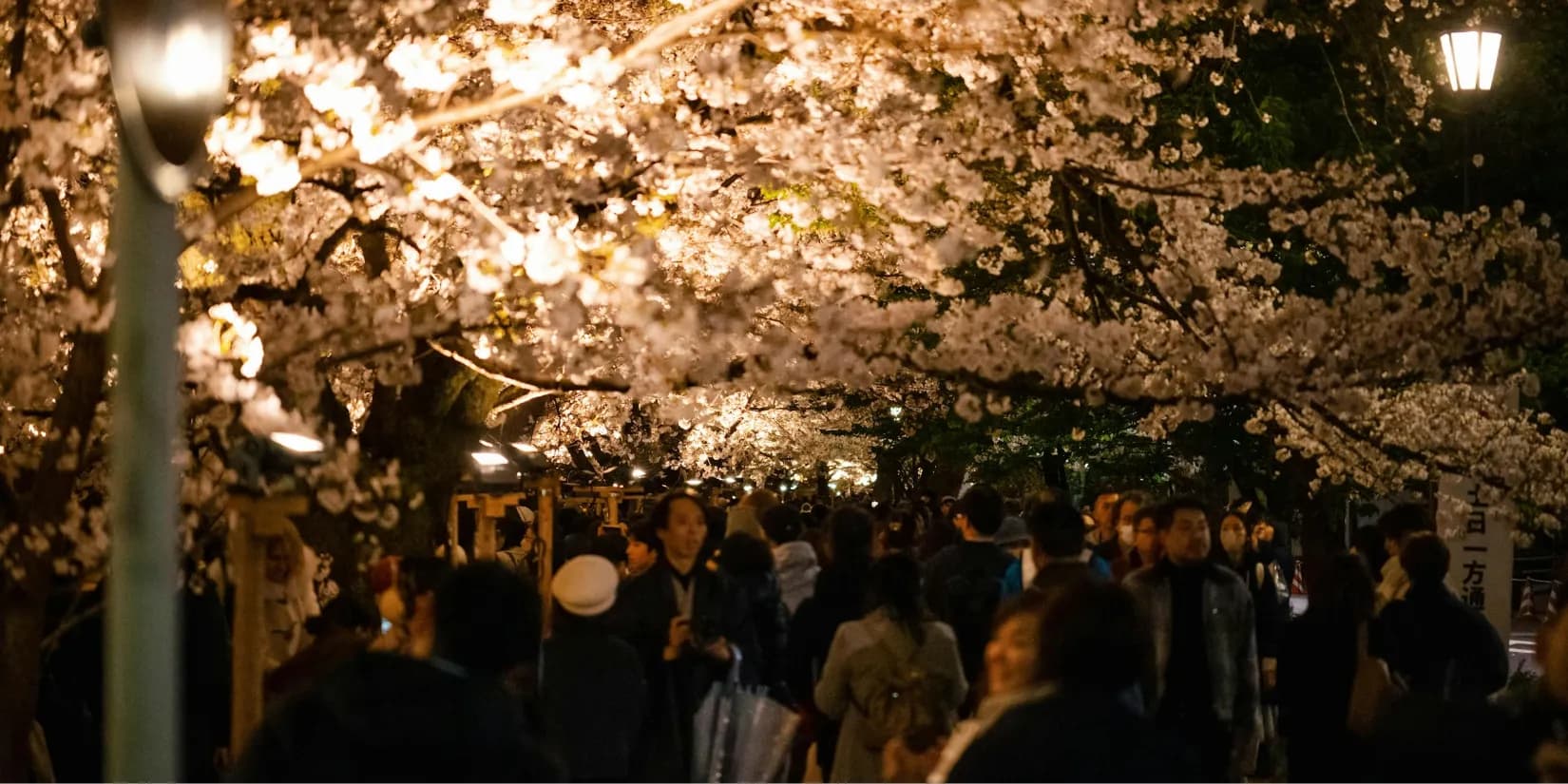
Why Did Japan Cancel The 10-Year Old Cherry Blossom Festival?
Over the past decade, cherry blossom season in Japan has grown into one of the most sought-after travel experiences in the world. Social media, bucket lists, and growing global accessibility have turned sakura viewing into a seasonal migration of travellers.
And while Japan welcomed visitors warmly, the overwhelming crowds started creating challenges that local communities couldn't ignore anymore. The Japan cherry blossom festival cancelled decision came after repeated concerns around overcrowding, littering, and tourists unintentionally, and sometimes very intentionally crossing personal and cultural boundaries.
What Exactly Happened?
There were reports of travellers shaking branches to create petal rain for photos, climbing trees, leaving behind piles of picnic waste, and even wandering into private homes near blossom hotspots. In one particularly awkward incident, visitors reportedly entered residential houses and demanded to use washrooms, leaving locals frustrated and overwhelmed!
During peak cherry blossom season in Japan, some neighbourhoods simply couldn’t handle the sudden population surge. Roads clogged, parks overflowed, and maintaining basic public facilities became increasingly difficult.
So authorities stepped in. Not to end the experience, but to protect it and the national pride before it becomes unsustainable.
This Isn’t Just A Japan Problem…
While the spotlight is currently on the news of Japan’s cherry blossom festival being cancelled, many destinations around the world are dealing with the same reality.
Venice now charges entry fees to manage crowds, Machu Picchu limits visitor numbers daily, Mount Fuji has introduced stricter climbing controls while a handful of cities like Barcelona have seen local residents voice concerns about overcrowding affecting daily life.
Travel has never been more accessible, true that. But that also means iconic destinations are feeling the pressure like never before. The conversation around Japan cherry blossoms is really part of a larger shift, one where travel is slowly moving from volume to sustainability.
What Does This Mean For Travellers?
Travel today is easier, faster, and more accessible than ever before. But with that convenience should come better responsibility. Experiences like cherry blossom season Japan exist because nature, culture, and community coexist in a very delicate balance. And travellers, whether we realise it or not, become part of that ecosystem the moment we arrive.
Destinations like Japan welcome visitors warmly, but when visitor numbers spike during peak experiences like cherry blossom season Japan, even small careless actions can create damage.
Responsible travel was never about limiting exploration, but ensuring that the beauty we admire today remains untouched for future travellers. The response following the Japan cherry blossom festival cancelled announcement serves as a reminder that travellers play a direct role in shaping the future of tourism.
Five Simple Ways To Be A More Responsible Traveller
Let Nature Stay Natural
It’s tempting to get closer, touch the flowers, or recreate that perfect Instagram photo. But natural attractions, whether it’s sakura trees, coral reefs, or alpine meadows, are incredibly fragile. Admire, photograph, walk beneath them… just don’t play with them.
Respect Local Rules
Crowd control, entry caps, restricted zones; they’re rarely random. Most guidelines are introduced after places experience real damage or safety issues, just like during cherry blossom season Japan. Following them helps ensure destinations stay open to travellers in the long run.
Travel Smarter During Peak Seasons
Peak season is fun, but it also comes with crowds and pressure on local spaces. Exploring early mornings, quieter weekdays, or lesser-known viewing spots often gives you a far more peaceful and authentic experience anyway.
Remember You’re Visiting Someone Else’s Home
This one’s huge. Many scenic travel locations sit inside residential neighbourhoods. The bathroom incident during cherry blossom season Japan might sound unusual, but it reflects how easily visitor enthusiasm can cross personal boundaries. If a space looks residential, it probably is. Respect it like you would want visitors to respect your neighbourhood.
Leave The Place A Little Better Than You Found It
Carry your trash, reduce single-use plastics, and be mindful about waste during picnics or outdoor sightseeing. Clean surroundings help protect ecosystems and communities alike.
Can You Still See Cherry Blossoms In Japan?
For travellers, here’s the most important thing to remember; Japan's cherry blossoms will still bloom. The cancellation only affects organised festival formats in certain areas. The sakura trees remain, spring colors would still spread across Japan's parks, rivers, gardens, and mountains, so tourists can still enjoy these places. And there are still plenty of incredible places where travellers can experience the magic of cherry blossom season in Japan:
Hirosaki Park
Often considered one of Japan’s most spectacular blossom destinations, Hirosaki Park surrounds a historic castle and features blossom tunnels. When petals fall, they create pink carpets along the castle moat, making it one of the major highlights of cherry blossom season in Japan.
Shinjuku Gyoen National Garden
Right in the heart of Tokyo, this garden offers a calmer and more spacious viewing experience. With multiple varieties of cherry trees blooming at slightly different times, visitors get a longer window to enjoy Japan cherry blossoms without overwhelming crowds.
Ueno Park
Ueno Park offers a classic hanami atmosphere. It’s one of Tokyo’s oldest blossom viewing spots and beautifully brings together history, celebration, and community gatherings.
Mitsuike Park
A quieter alternative near Yokohama, Mitsuike Park features over a thousand cherry trees with staggered bloom timings. It’s perfect for travellers who want a more relaxed sakura experience.
Meguro River
Konwon for its evening lantern displays, Meguro River transforms into a dreamy blossom walkway every spring. The reflections of illuminated blooms on the water make it one of the most romantic ways to experience Japan cherry blossoms.
Arakurayama Sengen Park
If you’ve ever seen that signature photograph of cherry blossoms in the foreground, a striking red pagoda, and Mount Fuji rising in the background, this is where it was taken.
While the Arakurayama Sengen Park Cherry Blossom Festival has been cancelled, travellers can still visit the park and enjoy its iconic views. Arakurayama Sengen Park is special because it captures three of Japan’s most recognisable symbols in one breathtaking view. During peak bloom, the climb up the steps rewards visitors with one of the most photographed landscapes of Japan cherry blossoms anywhere in the country.
If you’re dreaming of experiencing Japan’s cherry blossom season while travelling responsibly, explore our thoughtfully curated group tours to Japan by Cox & Kings.
The Bigger Picture
The Japan cherry blossom festival being cancelled might feel disappointing at first glance. But it’s also a reminder that some of the world’s most beautiful experiences exist because they’re protected, preserved, and respected.
Cherry blossoms bloom for only a short time every year and that fleeting beauty is exactly what makes them so meaningful. And maybe responsible travel works the same way, small thoughtful choices, made consistently, help preserve these moments for generations of travellers to come…
See how you can travel the world responsibly with Cox and Kings.