WHOOSH! There goes one of the fastest trains in the world…
And seconds later, the next thing you hear is this? “Platform 2. Thirty seconds to arrival. Twenty seconds. Ten seconds.” And there it is, all over again. Somewhere amidst all this, many of us end up having the exact same thought: how does all of this work so perfectly in Japan?
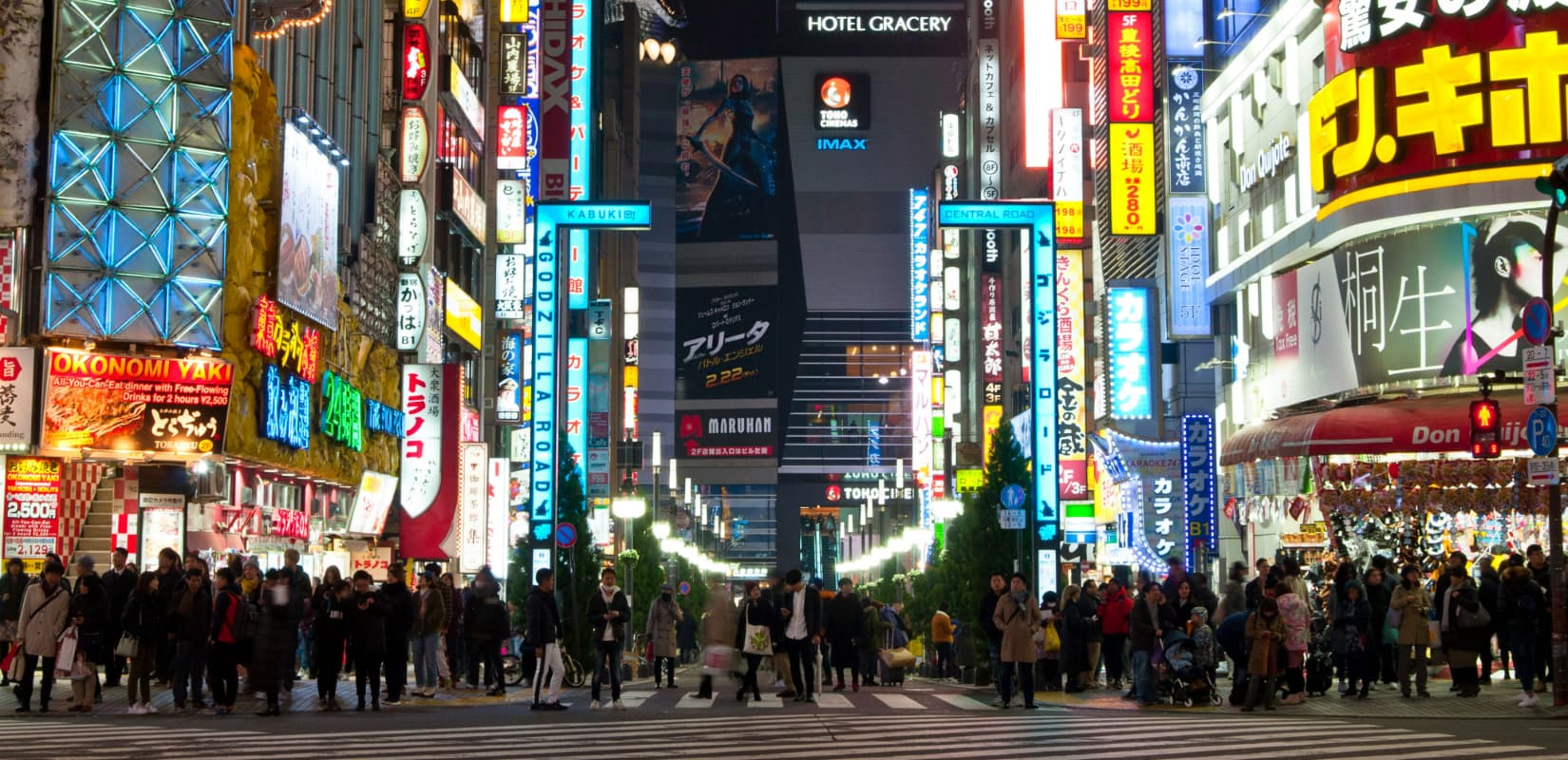
Japan rarely surprises you ONLY through its neon skylines, futuristic stations, or the juxtaposition of traditions and flashing city lights. It catches people off guard through the insane details. The suspicious absence of public dustbins despite spotless streets, vending machines that appear to sell nearly everything imaginable, tiny hotel rooms designed with space-saving precision or convenience store meals good enough to make you question why you packed snacks in the first place and a lot more…
While we take care of all these confusions and hurdles you encounter once you are there, there are still some questions we almost always hear during the planning phase. So here are 15 of the questions our team gets most often from Indian travellers before their Japan trip.
What Is the Best Time For Me to Visit Japan?
There is this question: When is the “perfect” time to visit Japan? And there is this better question: “what is the picture of Japan you have in mind?
1. Spring (March to April) is what most travellers aim for. Cherry blossoms begin taking over parks, riversides, castle grounds, temples, and entire neighbourhoods while cities like Tokyo, Kyoto, and Osaka feel fabulously festive. The only catch? You definitely will not be the only person chasing sakura season. Domestic travel surges, parks become packed, and popular viewing spots start filling up ridiculously early.
Cherry blossoms are only one side of Japan. Here’s a blog on the best time to visit Japan featuring when to go, when to be careful, and when waiting a few weeks changes everything.
2. Autumn (October to November) is where many repeat travellers place their bets. The weather becomes cooler, maple leaves turn landscapes into shades of red and gold, and places like Kyoto, Hakone, and Nikko become even prettier without the cherry blossom shoulders.
3. Winter changes Japan completely. Places like Hokkaido, Nagano, and the Japanese Alps change into playgrounds for skiing, onsens, snow festivals, powder snow, and landscapes that look nothing like the conventional Japan.
4. Summer is probably the most underrated season. Yes, the humidity is real. But so are fireworks festivals, mountain escapes, hiking routes, lavender fields in Hokkaido, and some of the country’s most beautiful celebrations. Just avoid planning around Japan’s major holiday periods like Golden Week or Obon unless crowds are part of your adventure!
How Many Days Are Ideal for My Japan Trip?
I’ll keep this complex question simple, how many days you need really depends on what type of traveller you are, how much money you are willing to spend and what type of Japanese experiences you are seeking.
1. If this is your first Japan trip and you mainly want iconic highlights like Tokyo, Mount Fuji, Kyoto, and Osaka, a 7 days Japan tour package from India usually works well and covers the essentials comfortably.
2. If you’re looking for a longer experience, with extra time for cultural districts, shopping, food experiences, day trips, and slower exploration, you can choose something close to a 10 days Japan tour package from India.
3. If you’re into deeper experiences like ryokan stays, onsens, countryside escapes, anime culture, snow destinations, theme parks, luxury experiences, or regions beyond the usual route, a 12 days Japan tour package from India often makes far more sense.
4. Budget also plays a role. Faster itineraries usually help manage costs and leave requirements, while longer trips naturally allow for more immersive experiences, premium stays, and regional exploration at a higher cost.
Wondering what a Japan tour from India actually cost? From bullet trains and sushi runs to hotels and hidden expenses, here’s the full breakdown.
Which Cities or Experiences Should I Focus On?
This is a country that somehow manages to be futuristic, traditional, peaceful, and ridiculously scenic all at once, so yes, it’s hard to choose. Let’s see how we can look at it.
1. If your idea of Japan exists somewhere between neon lights, giant screens, anime stores, arcades, gaming culture, and crossings full of people, Tokyo will probably steal several days from your itinerary without much effort.
2. If you are the kind of traveller who slows down for temples, traditional streets, tea houses, shrines, geisha districts, and places that feel like time forgot them, Kyoto and Nara usually become the places you can blindly choose.
3. If mountains and scenery matter more, then Mount Fuji regions, Hakone, the Japanese Alps, and Hokkaido deserve your attention. Especially if onsens, countryside stays, snow experiences, or ryokans are somewhere on your wishlist.
4. Food travellers usually find themselves in Osaka. Somewhere between ramen shops, street food markets, sushi counters, convenience store snacks, and late-night food streets, you will realise you accidentally built an itinerary around meals. It's that GOOD!
5. And if your version of Japan includes cherry blossoms, ski holidays, Pokémon Centres, bullet trains, anime districts, luxury stays, snow festivals, or nightlife that stretches until sunrise, there are entire regions built around exactly those experiences too…
This is exactly why there is no single “perfect” Japan itinerary. Whether you want futuristic cities, traditional culture, mountain escapes, food adventures, snow experiences, or a little bit of everything in one trip, explore these Cox and Kings Japan tour packages built around the idea of Japan you have in mind.
Is Japan Suitable for Families and First-Time Travellers?
Absolutely. Japan is often considered one of the easiest international destinations for first-time travellers because of how safe, organised, and unbelievably efficient the country feels. Your parents will probably love the cleanliness, reliable transport systems, and just how comfortable public spaces generally are.
That said, there are still a few things worth knowing beforehand. Walking is unavoidable. Railway stations can feel enormous compared to what many of us are used to. Hotel rooms are often far more compact than the ones we have in India. And public etiquette matters much more here than in many other destinations.
For families travelling with elderly members, young children, or first-time international travellers, choosing an expertly planned itinerary that takes care of all these usually makes a huge difference. That is also where thoughtfully designed Japan tours by Cox & Kings help change what could feel overwhelming into the kind of trip where you can sit back and enjoy the ride!
Why Choose Cox & Kings for my Japan Tour Package?
For a country that runs on precision, Japan demands an extraordinary level of planning to experience it well, and that is exactly where Cox & Kings stands apart. We simplify that complexity through 265 years of travel expertise, trusted local partnerships, experienced guides, and thoughtfully designed authentic experiences across Tokyo, Kyoto, Osaka, Hakone, Mount Fuji, and beyond.
From securing well-located stays near major transport hubs and planning efficient train journeys to arranging authentic ryokan experiences, seasonal highlights, curated sightseeing, and immersive cultural encounters, every detail is built to help you experience Japan with far greater comfort and depth than conventional holidays.
If you would rather have someone simplify your dream Japan holiday, from itineraries, trains, visas, routes, and logistics, connect with our experts today!
Will Vegetarian Food Be Available For Me in Japan?
Thankfully, when travelling with Cox & Kings, food preferences are something travellers rarely need to stress about. Whether it is vegetarian meals, Jain food, specific dietary requirements, or non-vegetarian preferences, we always make every effort to ensure travellers are comfortably accommodated throughout the journey.
That said, if you’re venturing out to discover Japan’s cuisines on your own, which you should, it does require some awareness for vegetarians.
1. One important thing many Indian travellers discover very quickly is that dishes appearing “vegetarian” may still quietly contain fish stock or seafood-based ingredients. Dashi, a broth commonly made using fish flakes, is used across a huge portion of Japanese cooking, including soups, sauces, curries, and noodles.
2. Which means asking “Is this veg?” often does not fully solve the mystery. Asking specifically about fish stock, seafood broth, or meat-based ingredients becomes extremely important while exploring independently.
3. Thankfully, vegetarian and vegan options across Japan have improved enormously over the years, especially in cities like Tokyo, Kyoto, and Osaka. Travellers now regularly find ramen shops with vegan broths, vegetarian sushi options, Indian restaurants, temple cuisine, convenience store snacks, and cafés specifically catering to dietary preferences.
How Much Free Time Will I Get on My Japan Tour With Cox and Kings?
One common concern travellers have before booking Japan group tour pakcges with Cox and Kings is whether the itinerary will feel too rigid or overly controlled. In reality, most Japan tour packages by Cox & Kings perfectly bring together guided experiences with personal exploration quite comfortably.
That could mean joining a guided sightseeing experience through Tokyo in the morning and then spending your evening exploring Shibuya, shopping in Ginza, or getting completely distracted inside a seven-floor anime store somewhere in Akihabara afterwards. Or visiting Kyoto’s temples during the day before wandering through lantern-lit streets, riverside cafés, local markets, or tiny hidden alleys that are nearby.
The amount of free time varies depending on the itinerary style, but you can take our word for it, on Japan tour packages by Cox and Kings, you will never feel like you are only rushing from one attraction to another without actually experiencing Japan properly.
How Should We Carry Currency and Use SIM Cards in Japan?
1. While Japan has become significantly more card-friendly in recent years, carrying some cash still remains extremely useful. Smaller restaurants, vending machines, local stores, temples, rural areas, and certain stations may still prefer cash payments. Despite Japan being one of the world’s most technologically advanced countries, somehow there’s an emotional attachment towards paper currency.
2. For connectivity, you can either choose international roaming or Japanese SIM cards/eSIMs with strong nationwide coverage. Reliable internet becomes especially useful while navigating trains, maps, translations, or station transfers independently. If your itinerary involves multiple cities and heavy train travel, eSIMs are often the easier option since they can be activated before departure and start working almost immediately after landing.
And honestly, if all of this already sounds slightly complicated, do not worry. From forex guidance and connectivity recommendations to helping travellers understand what actually works best for their itinerary, this is exactly the kind of practical support our experts help simplify.
Are your Japan Tours Fixed, or Can I Customise Them According to My Preferences?
We believe every traveller has a different image of Japan in their hearts, different things to try in there, and different needs while being there. So, why should every itinerary ever feel the same?
You may want fast-paced city experiences filled with Tokyo nightlife, shopping, anime districts, and technology, while others may choose slower ryokan stays, mountain onsens, countryside villages, tea ceremonies, and cultural experiences.
There are honeymooners chasing luxury stays beside Mount Fuji, families wanting theme parks and snow experiences, travellers building entire itineraries around Japanese food, and others who simply want to experience cherry blossoms or autumn foliage at the perfect time.
That is exactly what tailor-made Japan tours by Cox and Kings solves. Instead of forcing you to take small group departures, we also offer tailor-made holidays built around personal interests, travel pace, seasonal experiences, accommodation styles, food preferences, and the Japan you genuinely want to experience.
What Do Your Japan Tour Packages Include?
With Cox & Kings Japan holiday packages, you rarely have to spend the holiday worrying about the stressful side of international travel planning, because we take care of all of it for you.
1. From flights, visa assistance, accommodation, travel insurance, airport transfers, train journeys, guided sightseeing, curated experiences, and meals to special dietary requirements and on-ground coordination, our Japan holidays are designed to feel absolutely complete from beginning to end.
2. Even practical concerns like navigating railway systems, luggage forwarding, connectivity support, and understanding local travel etiquette become significantly easier when experienced assistance is available throughout the journey.
3. And while the essentials are carefully planned in advance, travellers still have flexibility through optional add-ons, scenic upgrades, cultural activities, and exclusive excursions depending on the itinerary style.
The idea is very simple: you should spend your Japan holiday experiencing Japan, and not worrying about any of the hurdles that come with planning it.
Is Japan Safe for Indian Travellers?
Japan is widely considered one of the safest countries in the world for travellers.
Petty theft remains remarkably low compared to many global tourist destinations, public spaces feel extremely secure even late at night, and travellers often feel surprised by how respectful and orderly daily life feels across the country.
That said, cultural awareness still matters. Public etiquette is taken seriously in Japan. Speaking loudly inside trains, eating while walking in certain places, ignoring queue systems, or behaving disruptively in public spaces is generally frowned upon. Japan may be incredibly polite, but it is also deeply disciplined socially.
What Kind of Visa Do I Need for Japan?
Indian travellers require a tourist visa to visit Japan. The application process generally involves documents like passport copies, financial statements, photographs, employment-related documents, confirmed bookings, and travel itineraries. Processing timelines can vary slightly depending on season and embassy workloads, which is why applying comfortably in advance is always the smarter option.
And for travellers who find visa documentation intimidating, this is also where Japan trips by Cox and Kings help simplify the process. Our team provides visa assistance and guidance throughout the application journey, making the overall experience significantly less stressful for first-time travellers.
Is Travel Insurance Necessary For My Japan Trip?
Yes, and honestly, Japan is one destination where travel insurance feels especially important.
While the country itself is incredibly safe, medical expenses abroad can still become extremely expensive in unexpected situations. Travel insurance helps cover medical emergencies, baggage delays, missed connections, cancellations, and travel disruptions that travellers should never ignore while travelling internationally.
And while travel insurance may not look as exciting as bullet trains, cherry blossoms, or Mount Fuji photographs, it is still one of the smartest things travellers can carry on a Japan trip.
To make things easier, complimentary travel insurance is also included with all Japan holiday packages by Cox and Kings, allowing travellers to focus more on enjoying the experience itself instead of worrying about “what if” situations far from home…
Still exploring? From Japan and Europe to places you probably haven’t considered yet, browse our full range of international destinations here.