“Nothing but breathing the air of Africa, and actually walking through it, can communicate the indescribable sensations.”
So wrote the English naturalist William Burchell after years of travelling through southern Africa in the early 1800s. Two centuries on, I think he’s still right.
So I won’t try to describe the indescribable. Instead, I’ll do the next best thing and tell you where to go. Whether you’re after the headline South Africa tourist spots or the things to see in South Africa that you have not seen on the videos yet, these are the places to visit in South Africa where that feeling is strongest. Go and breathe it in.
1. Cape Town
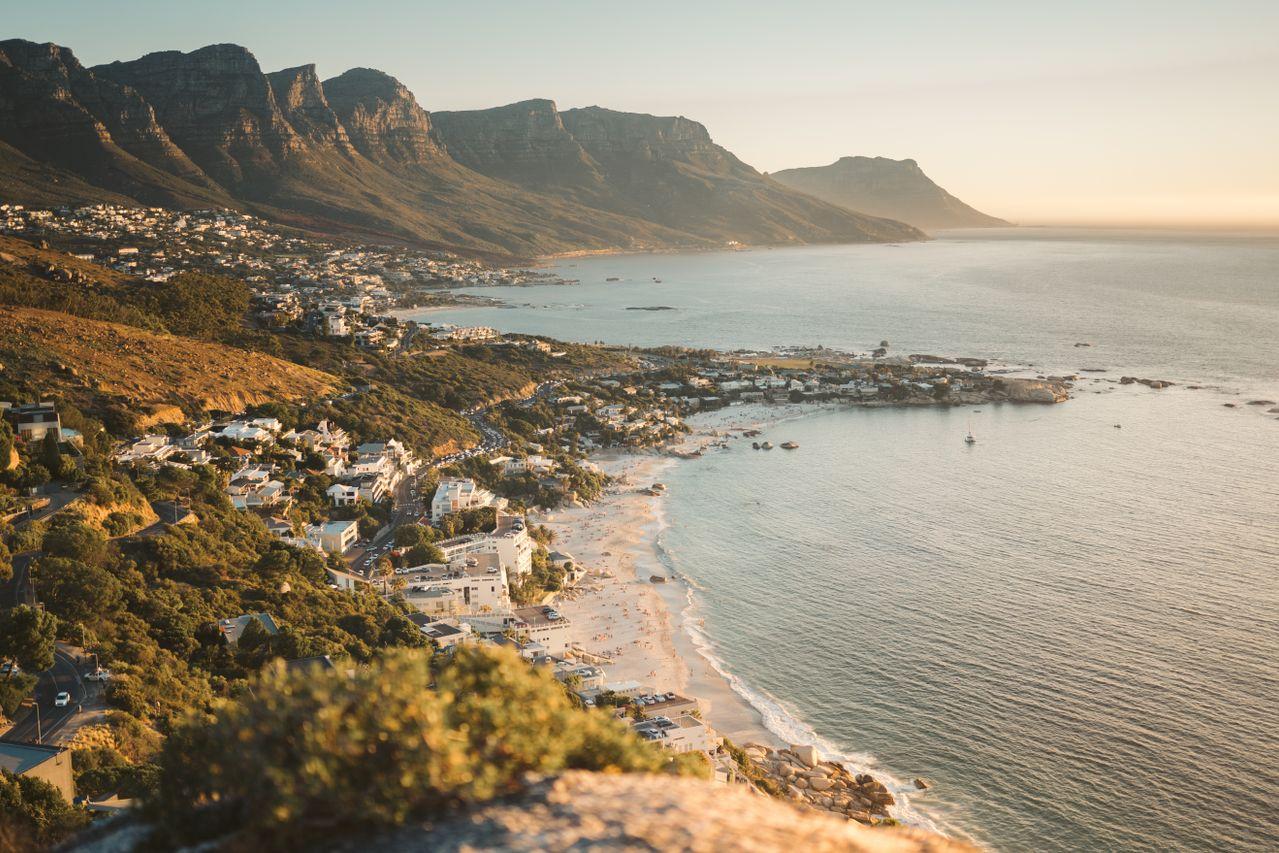
Table Mountain rises right behind the city, the ocean is on three sides and the Cape Peninsula runs south from it, with Cape Point, the penguins at Boulders Beach and the cliff-hugging Chapman's Peak Drive all within a day's drive. In the city itself, Bo-Kaap's colourful houses, the V&A Waterfront and the revolving cable car up Table Mountain are the South Africa tourist attractions that most first-timers head for first.
How to visit: Give Cape Town at least three nights. It's the natural last stop on a trip, since Stellenbosch and Franschhoek are an easy day out (about 50 and 75 kilometres away).
Activities: Ride the cable car up Table Mountain (weather permitting, since wind can close it), drive the Cape Peninsula, walk through Bo-Kaap and taste wine at Groot Constantia.
2. Kruger National Park
Kruger is basically the safari most people have in mind, and it tops most lists of things to see in South Africa. It stretches about 360 kilometres from north to south, roughly the size of Slovenia, and it's home to the Big Five. You can self-drive between rest camps in the south, such as Skukuza, Lower Sabie and Crocodile Bridge, or book guided drives, which fill up fast.
How to visit: Kruger is about 450 kilometres from Johannesburg, a drive of around five and a half hours, or you can take a 45-minute flight to Skukuza. June to August is the best time for spotting animals, while mid-November to December is busy and expensive, and January and February can bring heat and rain. It's a malaria area, so speak to your doctor first. If that worries you, Pilanesberg National Park, set inside an extinct volcanic crater, is malaria-free and also has the Big Five.
Activities: Take early-morning and late-afternoon game drives, and consider a night drive or a bush walk if your lodge offers one.
Not sure how to fit all of South Africa's highlights into one trip? Connect with our destination experts and we'll help you put together an itinerary that makes sense for your time.
3. The Garden Route
The Garden Route runs for about 300 kilometres along the southern coast, from Mossel Bay to Storms River Mouth. It's one of the most relaxed South Africa tourist spots, greener and slower than the rest of the country, with lagoons, forests, beaches and small towns like Knysna.
Inland, Oudtshoorn is known for its ostrich farms, and its Cango Caves are a guided walk through chambers filled with stalactites and stalagmites. Nearby, Cango Wildlife Ranch focuses on conservation. For adrenaline, the Bloukrans Bridge in Tsitsikamma has a 216-metre bungee jump, one of the world's highest commercial bungee sites!
How to visit: Fly from Johannesburg to George and drive to Knysna, about an hour away. Plan at least three nights, using Knysna or Plettenberg Bay as a base.
Activities: Explore the Cango Caves, meet the ostriches, visit the wildlife ranch and, if you're feeling brave, jump off Bloukrans.
4. The Panorama Route and Blyde River Canyon
Up in Mpumalanga, the Drakensberg Escarpment drops away to the Lowveld, and the Panorama Route strings together a handful of viewpoints on the edge. At God's Window, you can look out over the plains, and on a clear day the view is said to reach as far as Mozambique. At Bourke's Luck Potholes, the Treur and Blyde rivers have carved cylindrical potholes into the rock, and the bridges let you walk above them. Then there are the Three Rondavels, rock formations named after traditional round huts, and Lisbon Falls, which at over 90 metres is the highest waterfall in Mpumalanga.
There’s also the Blyde River Canyon, one of the largest green canyons in the world, with cliffs that fall up to 800 metres. If you're looking for one natural attraction in South Africa this is by far the best. Also, one of the best things to see in South Africa is the Pilgrim's Rest, a gold-rush town that goes back to 1873, so make sure you visit it as well.
How to visit: The route is close to Kruger National Park, so it fits neatly before or after a safari. Go early or late in the day to avoid the tour-bus crowds, and lock your car at Bourke's Luck, since monkeys are your guests.
Activities: Walk the viewpoints, see the waterfalls and take a drive along the escarpment.
5. The Drakensberg
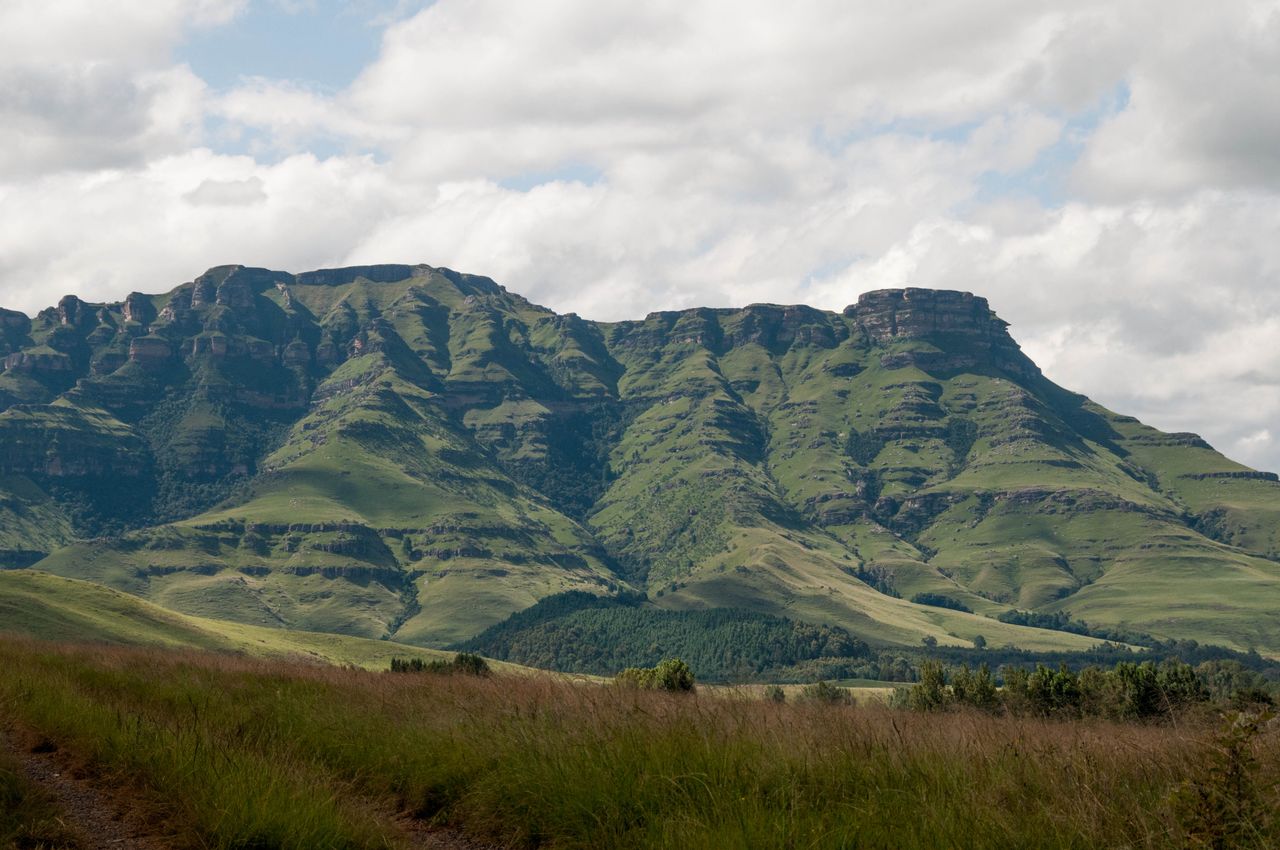
The Drakensberg's Zulu name, uKhahlamba, means "Barrier of Spears", and when you see the wall of basalt cliffs, you'll understand why it's called that. The uKhahlamba-Drakensberg Park in KwaZulu-Natal is a UNESCO World Heritage Site for both its natural beauty and its rock art, which makes it one of only about 20 places in the world listed for two reasons.
The Amphitheatre is a cliff roughly 5 kilometres long and 1,000 metres high, and at around 948 metres, the Tugela Falls spill from its summit in tiers. The San people also left thousands of paintings in caves and overhangs here.
How to visit: The park is about two hours from Durban and four hours from Gauteng, so it works as a long weekend or as part of a longer route.
Activities: Hike to viewpoints, look for rock art, go bird-watching (it's home to the bearded vulture) or try fly-fishing and rafting.
Prefer to take the scenic route, stay a little longer or skip the places that don't interest you? Our tailor-made tours let you shape the journey around your way of travelling.
6. The Cape Winelands
If there's one of South Africa's tourist places that works as a day trip from Cape Town, it's the Winelands. Stellenbosch and Franschhoek sit in valleys ringed by mountains, and the wine estates are what you need to be there for. In Franschhoek, a hop-on, hop-off wine tram links the estates, so you don't need to arrange transport. The Huguenot Monument honours the French settlers who shaped the Cape's wine heritage in the late 17th century, and the Franschhoek Valley Market runs on Saturdays.
How to visit: A day trip from Cape Town works, but an overnight stay lets you do it at a more relaxed pace. Choose one or two smaller estates and plan a proper lunch stop.
Activities: Do a wine tasting at an estate like Groot Constantia, ride the Franschhoek wine tram and browse the galleries on Huguenot Street.
7. iSimangaliso Wetland Park: The Wild One
On KwaZulu-Natal's northern coast, iSimangaliso is a UNESCO World Heritage Site that covers 332,000 hectares of wetlands, beaches and forest. It's a sanctuary for hippos and crocodiles, and cruises on the waterways around St Lucia are a popular way to see them. It's a good alternative if you want wildlife without the crowds of the big safari parks.
How to visit: Treat it as a detour for a trip of two weeks or longer, with St Lucia as your base.
Activities: Take a boat cruise to spot hippos and crocodiles, or swim at Cape Vidal, the best swimming beach in the area. Swim only at low tide, as the water can be rough and the rip currents strong.
8. Cape Agulhas: The Real Tip of Africa
Cape Agulhas is Africa's southernmost point, and it's where the dividing line between the Atlantic and Indian oceans is said to begin. Its red-and-white lighthouse has been standing since 1849, built to reduce the number of ships lost in the dangerous seas here. It's one of the quietest South Africa tourist spots, and is quite the opposite of the crowds at Cape Point.
How to visit: It's more than a three-hour drive each way from Cape Town, so it's best with an overnight stay. Hermanus, where whales come close to shore from June to November, makes a good stop on the way.
Activities: Visit the lighthouse, stand at the southernmost point and, in season, add whale watching.
9. Johannesburg
It's where most flights land, and I think it deserves more than a transit night. The city holds an important place in South Africa's history, and its museums, galleries and cafés give you a taste of modern South Africa.
Head to Soweto first. Vilakazi Street is its most famous street, and both Nelson Mandela and Desmond Tutu lived there. The Apartheid Museum, within the Gold Reef City complex, is just as essential: it opened in November 2001, and when you buy your ticket, you're randomly classified as "white" or "non-white" and asked to use the matching entrance, which is the first exhibit.
How to visit: One or two nights before or after your safari is usually enough, and it's the easiest place to recover from the long flight.
Activities: Walk Vilakazi Street, visit the Apartheid Museum and try a braai or shisa nyama lunch.
Still figuring out where you want to go in the world? Have a look through several other destinations for more ideas on places to visit, things to do and how to plan your trip.
Which Places Should You Prioritise?
If this is your first trip, I'd start with the classic arc: land in Johannesburg, go on a safari (Pilanesberg is the easiest, and Kruger is the bigger name), fly to George for the Garden Route and finish in Cape Town. It's a similar route our 10-day itineraries through South Africa follows, and it covers a lot of the best South Africa sightseeing places in one go.
If you have extra days, the Panorama Route pairs neatly with Kruger, the Drakensberg suits anyone who likes walking, and iSimangaliso and Cape Agulhas are the picks for travellers who want something peaceful. You don't have to choose between the famous and the lesser-known, either. Many of these places to visit in South Africa fit comfortably into one well-paced itinerary, so you can see mountains, coastline, wildlife and city life without sacrificing one for the other.
Ready to see how it all fits together? Browse our South Africa tour packages from India, and let's start turning this list into your dream itinerary.