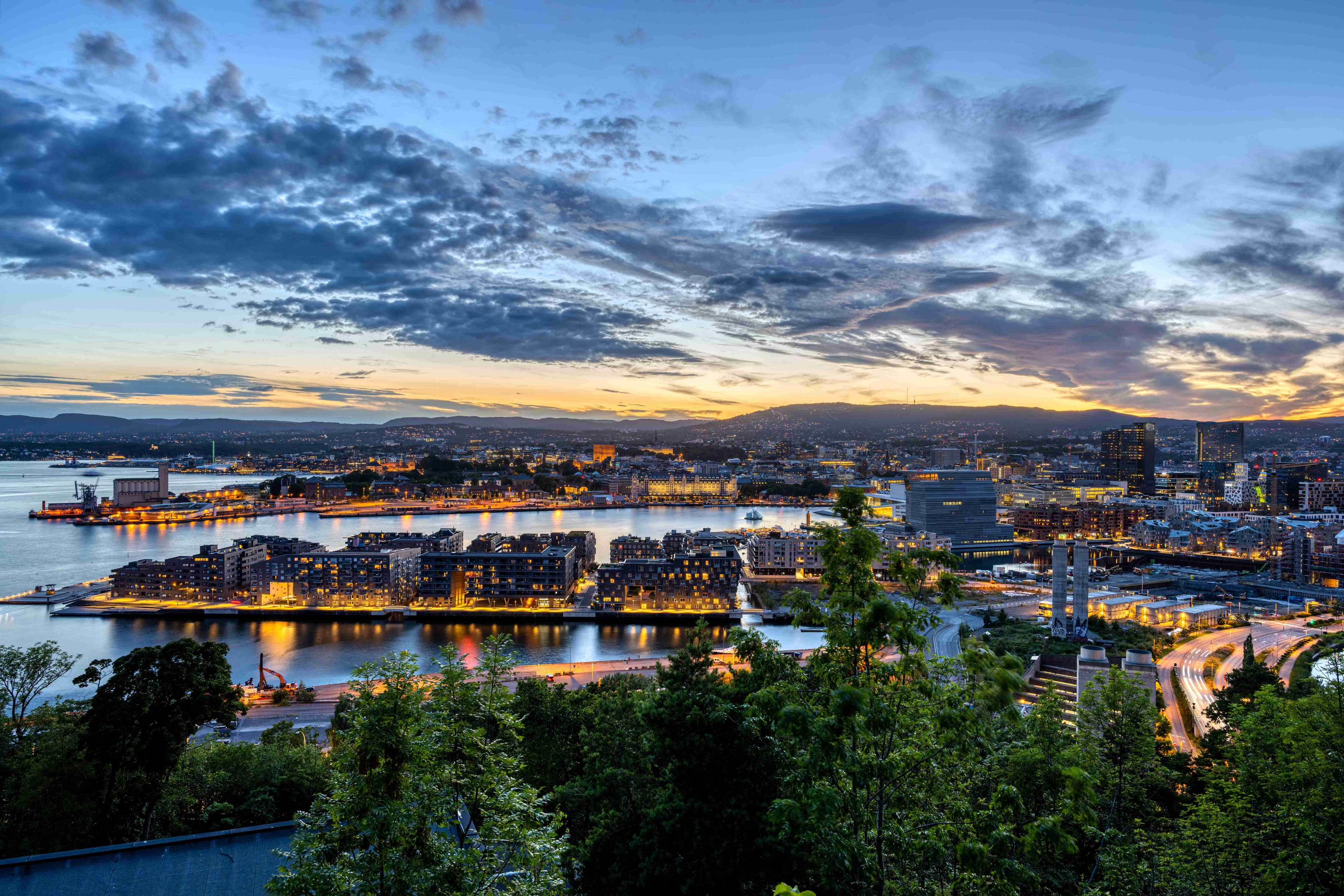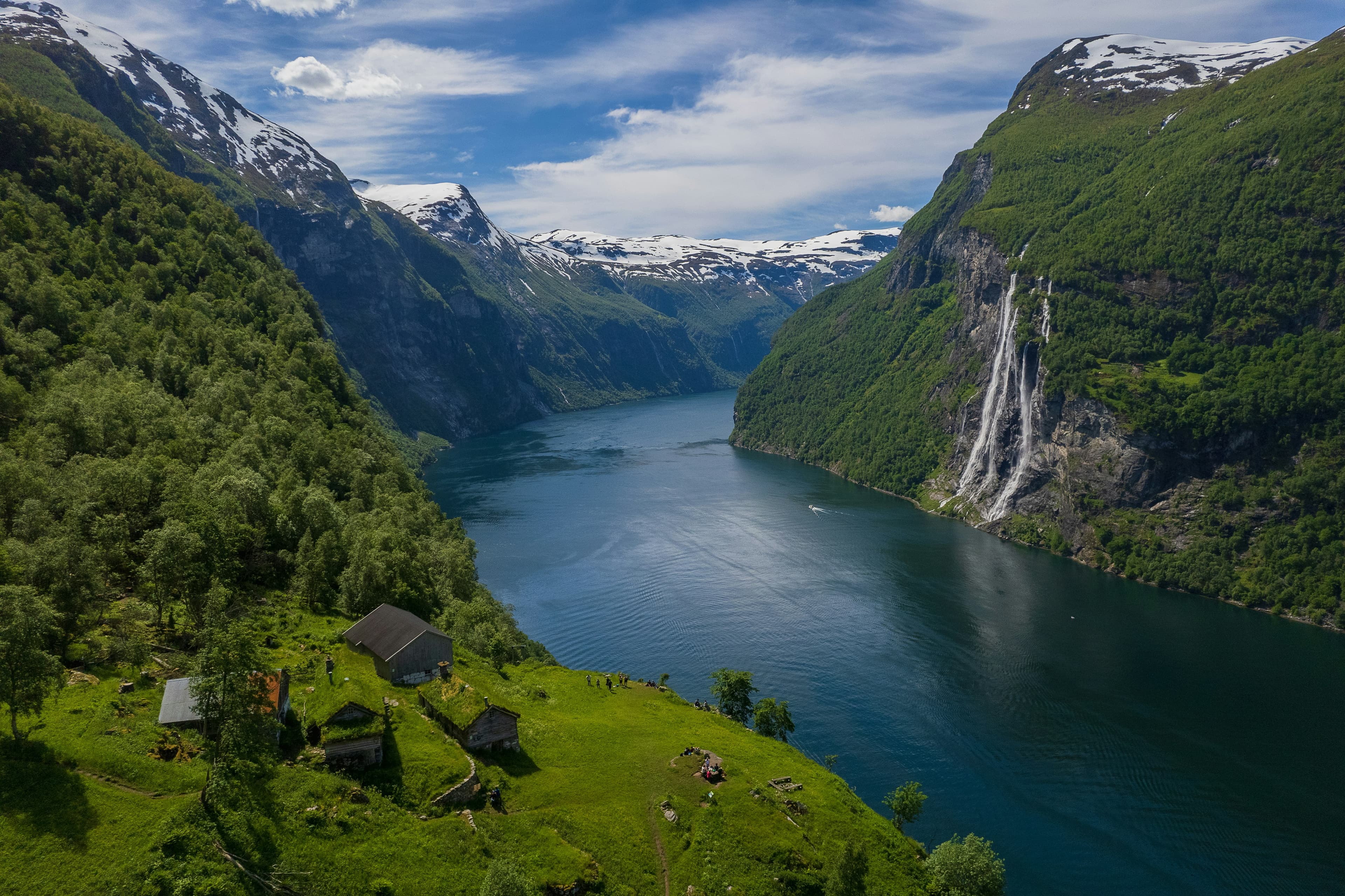
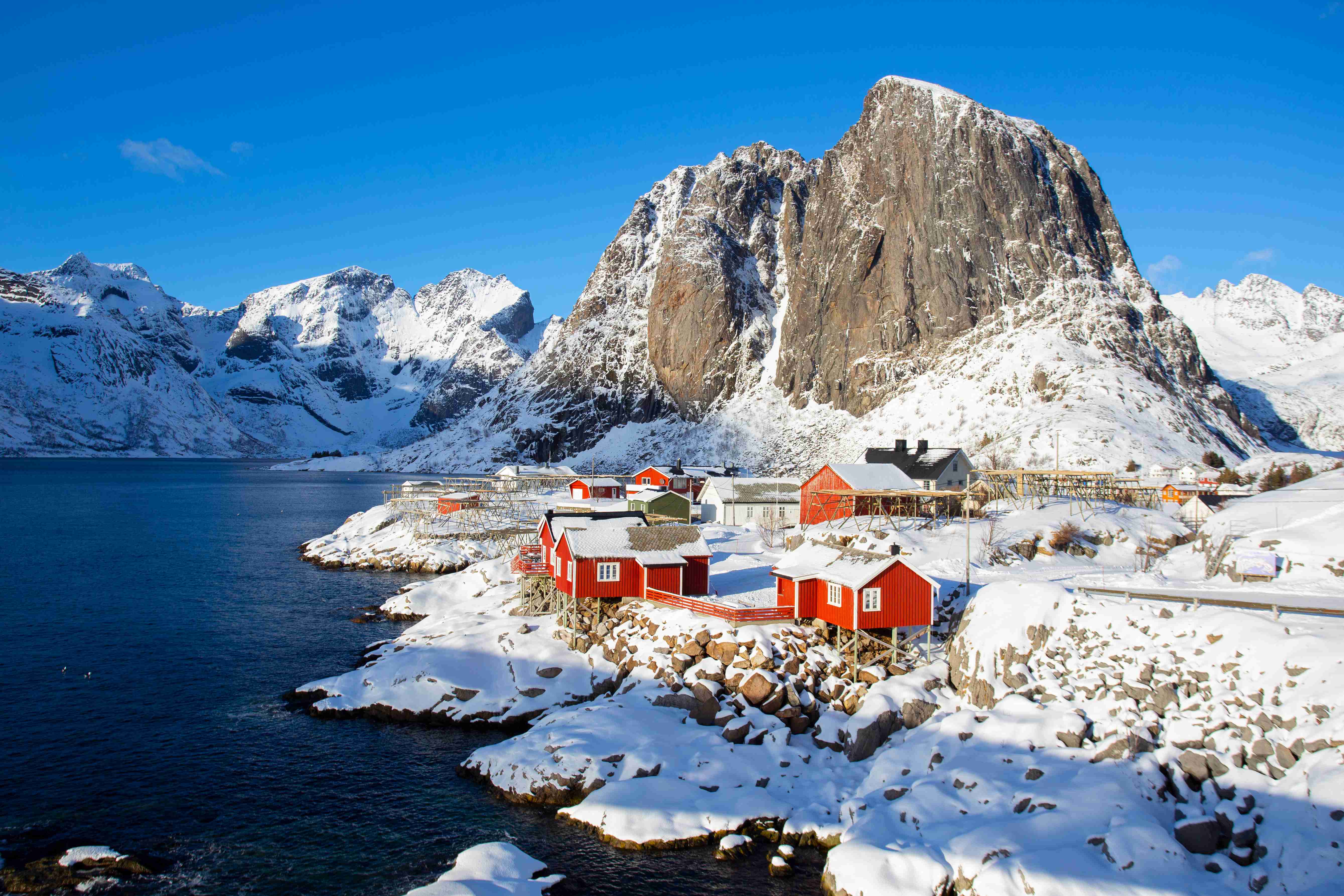
If the people in my life had a rupee for every photo I sent them of 'places' saying, "See, this! This is the time to go!", they'd probably have enough to book those trips themselves by now…
Norway, though, is in a league of its own when it comes down to that habit. I mean, have you seen those fjords in summer? Have you seen the colours that show up in autumn? Winter? Don't even get me started. Northern Lights, Arctic adventures, cosy cabins... I become completely insufferable. But then spring comes along with fewer crowds, roaring waterfalls and the entire country turning green again. You lost me there again.
Jokes apart, I genuinely love every season in Norway, which is why choosing a favourite for me is nearly impossible. My friends, on the other hand, have probably muted me by now. But luckily for you, you don't have to go through the same seasonal identity crisis (who knows, maybe you will). I've broken down exactly what each season gives you in this piece, who it's best for and when you should plan your trip. So, here's everything you need to know about the best time to visit Norway!
Understanding Norway's Travel Seasons
Peak Travel Season: June to August and December
Norway experiences two distinct peak seasons. Summer and Winter.
Summer comes with pleasant temperatures, ‘almost’ endless daylight and ideal conditions for exploring the country's famous fjords, scenic railways and hiking trails. December, or peak winter, meanwhile, welcomes travellers chasing snowy landscapes, festive towns and the magical Northern Lights!
During these seasons, expect slightly higher hotel prices, busier attractions and greater demand. If you're planning a holiday around the fjords or the festive season, booking several months in advance is always recommended.
Quieter Travel Months: January, February and November
Outside the Christmas rush, Norway becomes considerably empty. January and February are fantastic for winter experiences without the festive crowds, while November remains relatively peaceful before Christmas markets fully begin. Prices are often lower, although shorter daylight hours should be factored into your itinerary.
Shoulder Season: March to May and September to October
Many travellers believe these months are the perfect middle ground. Crowds are comparatively smaller, accommodation is often more reasonably priced and you'll still enjoy some beautiful scenery. Depending on the month, you may even experience snow alongside blooming landscapes or colourful autumn forests.
Connect with our experts to plan a Norway tour package that suits you best.
Spring in Norway (March to May)
Temperature
Spring temperatures generally range between 3°C and 15°C, becoming warmer towards May, especially in southern Norway.
What the Season Feels Like
Snow begins melting across lower regions, waterfalls become even more powerful thanks to the melting glaciers and cities start filling with outdoor cafés once again. While mountain peaks remain snow-covered, valleys begin turning beautifully green. It almost feels like you're witnessing two seasons at once!
Why Visit During Spring
You'll enjoy fewer crowds, better hotel availability and generally lower prices compared to peak summer. The weather also becomes comfortable enough for sightseeing without the shoulders you need to brush past later in the year. If flexibility and peaceful exploration matter more than guaranteed sunshine, spring is an excellent choice when deciding the Norway best time to visit.
Experiences Worth Looking Out For
Spring is one of the best seasons for exploring Oslo and Bergen before they become busier in summer. The famous Flåm Railway becomes spectacular as snowmelt feeds hundreds of waterfalls cascading down the surrounding mountains. Fjord cruises also become increasingly popular as nature returns to life, while lower-altitude hiking trails gradually reopen. Wildflowers begin appearing across many valleys by late May, creating some incredibly photogenic landscapes.
Things to Keep in Mind
You may experience sunshine, rain and chilly winds within the same day, especially around fjord regions. So, an extra pair of everything, layered clothing and waterproof jackets are strongly recommended.
Summer in Norway (June to August)
Temperature
Summer temperatures usually range between 15°C and 25°C, although northern regions remain cooler.
What the Season Feels Like
This is Norway at its absolute best! Long daylight hours, and in some northern regions, the Midnight Sun, allow travellers to explore well into the evening. Roads through the fjords remain fully open, hiking conditions are excellent and every scenic viewpoint seems even more beautiful under clear blue skies. It is no surprise that many travellers consider summer the best time to visit Norway.
Why Visit During Summer
Summer offers the greatest variety of experiences. You can comfortably club Oslo's museums, Bergen's colourful harbour, Geirangerfjord cruises, mountain railways, road trips through the fjords and Arctic adventures within a single itinerary. If you're wondering about the best month to visit Norway, July often stands out thanks to its warm weather, long daylight hours and excellent accessibility across the country.
Experiences Worth Looking Out For
Summer is all about Norway's iconic landscapes. Cruise through Geirangerfjord or Nærøyfjord, drive along the Atlantic Ocean Road and Trollstigen, ride the breathtaking Flåm Railway or hike to viewpoints like Trolltunga and Pulpit Rock. Kayaking through calm fjords, glacier walks and wildlife safaris also become incredibly popular during these months.
Things to Keep in Mind
Summer is also Norway's busiest period. Flights and hotels often sell out well in advance, especially around Bergen, the fjords and the Lofoten Islands. Booking early can make a significant difference to both availability and pricing.
Autumn in Norway (September to November)
_11zon.jpg)
Temperature
Temperatures generally range between 5°C and 15°C, gradually becoming colder through November.
What the Season Feels Like
Autumn belongs to the forests. Golden birch trees, fiery mountain landscapes and the crisp wind change much of the country into a photographer's dream! Tourist numbers also begin falling, making attractions feel far more relaxed. Autumn really does compete for the title of best time to go to Norway, particularly for travellers seeking peaceful scenery without peak-season crowds.
Why Visit During Autumn
Autumn offers beautiful landscapes alongside better value. Accommodation becomes easier to secure, popular viewpoints become quieter and many scenic roads remain accessible during September and early October. For travellers who enjoy photography, road trips and slower travel, few seasons compare.
Experiences Worth Looking Out For
Autumn is one of the best times for scenic drives through western Norway as forests turn brilliant shades of gold, orange and crimson. Fjord cruises become less crowded, hiking trails are emptier and mountain viewpoints often offer spectacular visibility after the summer haze clears. It's also harvest season, making it a wonderful time to sample local produce and fresh seafood. If you're after beautiful landscapes without sharing them with thousands of other travellers, autumn is the one!
Things to Keep in Mind
Temperatures begin dropping noticeably by late October, particularly in northern Norway. Some mountain roads and seasonal attractions may start closing as winter approaches, so checking opening dates before travelling is always worthwhile.
Winter in Norway (December to February)
Temperature
Winter temperatures generally range from -10°C to 5°C, although northern regions can become significantly colder.
What the Season Feels Like
Winterr… My favourite (If you ask me during November or december). Snow blankets mountains and forests, frozen lakes shimmer beneath clear skies and cosy cafés glow warmly against the cold. Venture north and you may witness one of nature's greatest spectacles, the Northern Lights dancing across the Arctic sky! If you've been searching for the best time to visit Norway for magnificent winter adventures, this is it.
Why Visit During Winter
Instead of fjord hikes and mountain drives, you'll experience husky sledding, snowmobiling, Sami cultural encounters, reindeer experiences, aurora viewing and Arctic cruises. Cities become beautifully festive, and for many travellers, this is when Norway feels the most magical.
Experiences Worth Looking Out For
Tromsø becomes the country's Northern Lights capital, while Alta and Kirkenes offer incredible Arctic adventures. December also brings festive Christmas markets to Oslo and Bergen, creating a wonderfully cosy and unique atmosphere. (I said unique because, we don’t find any such markets in India).
If you're looking for the best places to visit in Norway in December, prioritise Tromsø, Alta, Bergen and Oslo for a combination of festive charm and winter activities. Travellers looking for the best places to visit in Norway in winter should also consider the Lofoten Islands, where peaks rise directly from snow-covered beaches, creating some of Europe's most extraordinary scenery. Pretty sure you’ve seen them on Google!
Things to Keep in Mind
Winter days become very short, particularly above the Arctic Circle. Warm thermal clothing is essential, and weather conditions can occasionally affect transport schedules in northern and mountainous regions.
Best Time to Visit Norway for Families
Indian families generally choose Norway between June and August. The weather is pleasant, attractions operate at full capacity and longer daylight hours make sightseeing much easier if there are children and the elderly. Fjord cruises, scenic rail journeys, wildlife parks and interactive museums all become enjoyable family-friendly experiences during summer.
However, families travelling during December can also enjoy magical Christmas markets, Northern Lights experiences and snowy adventures, especially if winter activities are part of the holiday plans!
Thinking about a Scandinavian family holiday? Explore our expertly curated Norway tour packages from India and let us take care of every detail.
Best Time to Visit Norway for Couples
Summer is perfect for scenic drives, fjord cruises and hiking together beneath the Midnight Sun, while winter gives you cosy igloos, Northern Lights experiences and snow-covered villages! For honeymooners and couples seeking quieter holidays, September and early October often provide the perfect amalgam of pleasant weather, beautiful landscapes and fewer crowds.
Looking for something more personal? Discover tailor-made Norway holidays by Cox & Kings, designed entirely around your interests.
Best Time to Visit Norway for Pleasant Weather
If comfortable weather is your priority, June through early September generally offers the most enjoyable conditions. July is often considered the Norway best time to visit by many, thanks to warm temperatures, excellent accessibility and exceptionally long daylight hours. June is equally great, especially for travellers hoping to experience the Midnight Sun, while September offers beautiful weather alongside fewer crowds.
Ultimately, the best time to visit Norway depends on what you hope to experience. Summer brings spectacular fjords and scenic road trips, autumn offers colourful landscapes and peaceful exploration, winter delivers Arctic adventures, while spring has both quieter travel and nature coming back to life!
So, When Should You Visit Norway?
There really isn't a wrong time, if you ask me. Whether you're watching waterfalls thunder into emerald fjords beneath the midnight sun or standing beneath ribbons of green Aurora lighting up an Arctic sky, Norway will manage to exceed your expectations in every season.
The only question left is, which version of Norway do you want to experience? Whenever that answer comes to you, Cox & Kings will make sure every detail is taken care of on your Scandinavian journey. From flights and carefully selected hotels to transport, sightseeing and expert local guidance, our thoughtfully curated Norway holidays let you simply enjoy the journey.
Want to discover more of the world’s most spectacular landscapes? Explore extraordinary journeys across the globe with Cox & Kings.