This seed was planted a very long time ago…
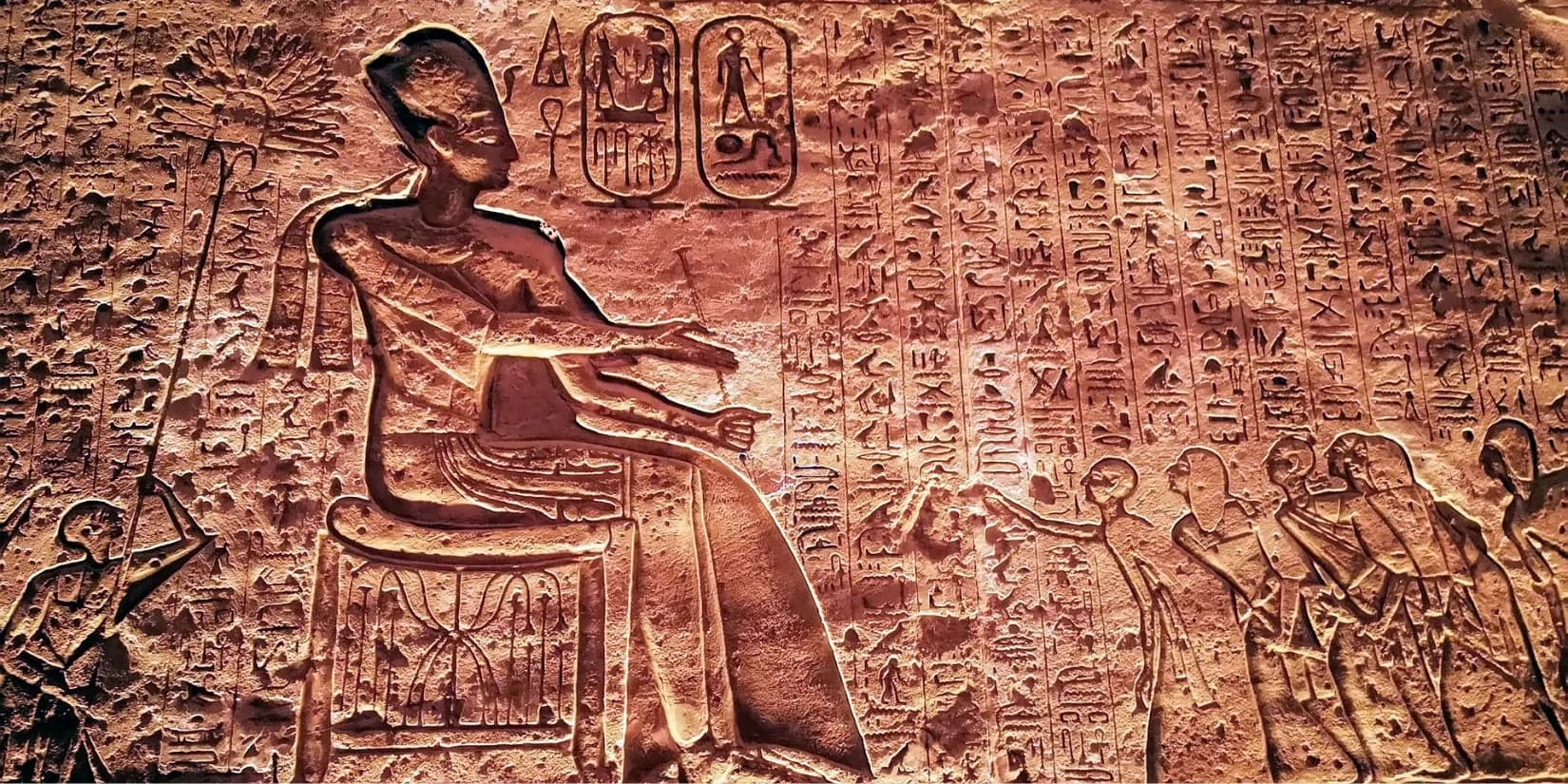
Long before travel was even a slightly real possibility for me, Egypt had already taken up a small corner of my imagination. To start, I remember reading about it in my English and History textbooks way back in school; stories of pharaohs and lost tombs, the discovery of Tutankhamun’s burial chamber, hieroglyphs carved into temple walls, and structures that were really, really old.
What fascinated me most as time went on was the simple question it left behind: how were structures built nearly 5000 years ago still standing today? (Quite an achievement, considering most of us struggle to keep a houseplant alive for a month.)
So, If you ever get the spark to see it for yourself (you should), there are a few things worth knowing before you go. This Egypt travel guide brings together the things that make that once-in-a-lifetime journey easier, with practical advice, cultural insights, and a handful of useful Egypt travel tips that many travellers only discover once they’re already there.
Things to Know Before You Set Off for Your Egypt Tour
Before you find yourself standing beneath pyramids or wandering through temple courtyards older than most civilisations, there are a few practical things to know for an Egypt tour.
Prepare for the SUN
Ah, the obvious one: Egypt is hot ( no pun intended). Not pleasantly warm, not summer holiday hot, but properly hot!
This becomes especially noticeable if you’re travelling further south to places like Luxor or Aswan, where the desert climate turns the thermostat up without much warning. In the warmer months, temperatures can comfortably push past 40°C, so dressing for it makes all the difference. What I would suggest is light, breathable fabrics like linen shirts, loose trousers, along with wide-brimmed hats…
Now, water alone isn’t always enough either. We learned that the hard way when one of our travel companions actually passed out from dehydration during a temple visit; a rather abrupt reminder that the Egyptian sun does not believe in half measures. Electrolyte sachets become surprisingly important, something you should have almost as often as water…
Bring a Universal Adapter and a Power Bank (Or Two)
Between a LOT of photos, navigation apps, and translation tools, your phone battery will drain way faster than expected. Most travellers quickly realise that carrying a power bank is a smart idea, sometimes even two. Electricity in Egypt runs on 220V with two-round-pin outlets, so a universal adapter is essential if you’re travelling from abroad.
SIM Cards and Internet in Egypt
You’ll usually find kiosks right at the airport selling tourist SIM cards from providers like Vodafone Egypt, Orange Egypt, and Etisalat Egypt. The process is fairly quick, show your passport, choose a data plan, and voila, you’re connected within minutes.
Alternatively, you could set up an eSIM before your trip and land with the internet already working on your phone, which can be even more convenient!
Mobile data in Egypt is quite affordable, and having internet access makes navigating the country far simpler. Maps, ride-hailing apps, and translation tools suddenly become invaluable when you’re moving through busy cities like Cairo.
While many hotels and cafés do offer Wi-Fi, it can be not-that-good at times. A local SIM with reliable mobile data is often the more dependable option when you’re out exploring.
Best Time to Visit Egypt
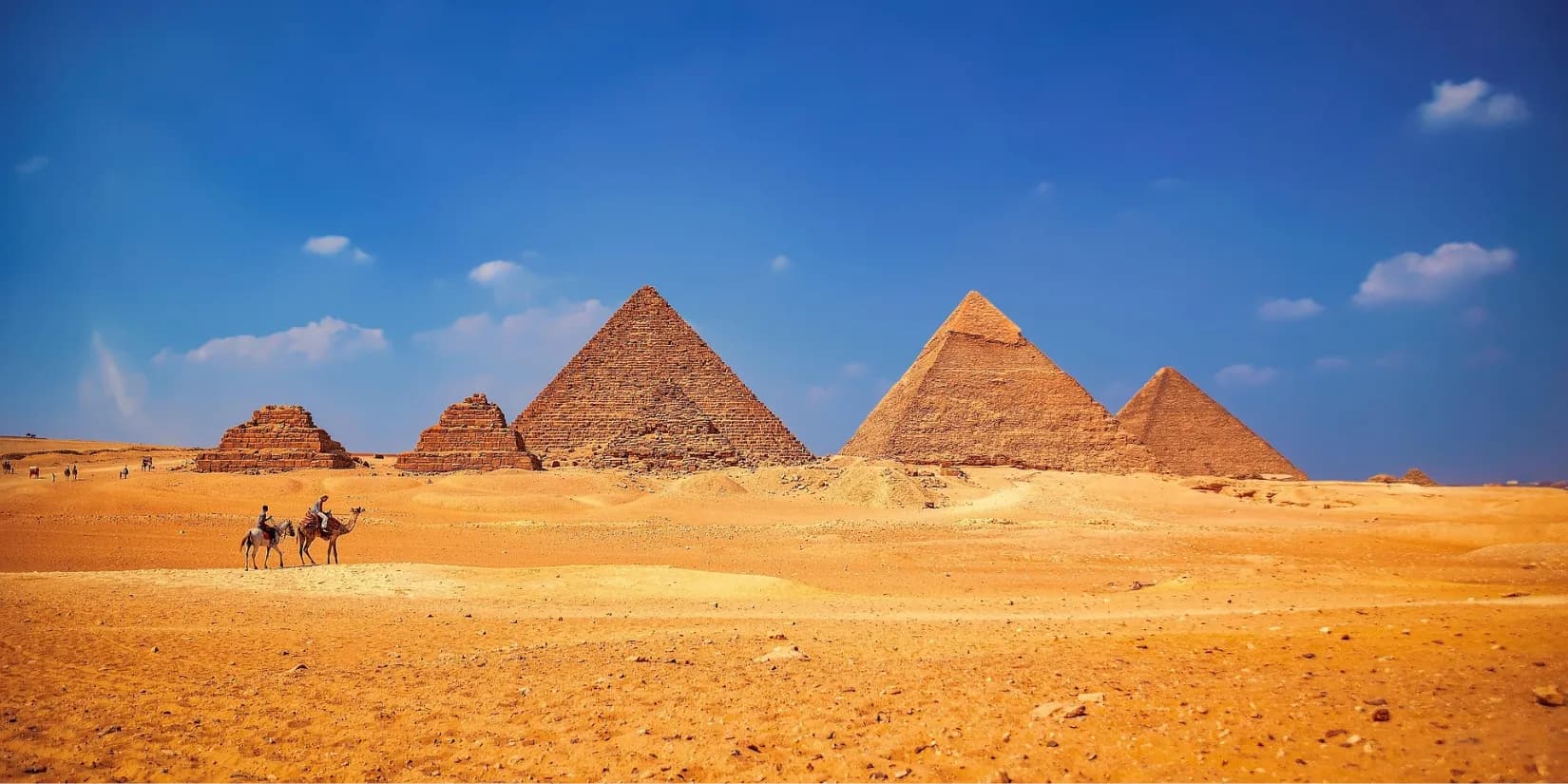
The most popular time to visit Egypt is between October and April, when temperatures are cooler and sightseeing is far more comfortable. Exploring outdoor sites like the Pyramids of Giza or walking through ancient tombs in the Valley of the Kings becomes much easier during these cooler months.
Summer (May to September) can still be a good time to visit, but temperatures in southern Egypt can become really hot as I mentioned earlier. But still, many travellers choose this period because there are fewer crowds and occasionally better hotel availability.
Planning a trip to Egypt? Connect with the destination experts at Cox & Kings to start planning your journey today!
Cultural Etiquette: Understanding Local Customs
Customs
One of the most helpful parts of any Egypt travel guide is understanding local culture. Here are my takes on those. Egyptians are famously welcoming, but the country is also shaped by tradition and social etiquette. Being aware of a few customs helps you avoid awkward moments and shows respect for the local culture.
Dress Modestly in Religious Sites
Modest clothing is appreciated, especially when visiting mosques or traditional neighbourhoods. For travellers, this usually means covering shoulders and knees, wearing longer trousers or skirts and carrying a scarf when entering mosques In larger cities like Cairo the dress code can be more relaxed, but modest clothing is still considered respectful.
Greetings Matter
Egyptians are friendly and often enjoy small conversations with visitors. A handshake is the most common greeting and learning a couple of simple Arabic phrases along with it, like “As-salaam alaykum” or “La shukran” meaning ‘No thank you’ can also make interactions smoother. That second phrase becomes really useful when walking through busy markets, if you know what I mean…
Public Displays of Affection
While Egypt is welcoming to visitors, public displays of affection are generally discouraged. Holding hands may be acceptable in some situations, but kissing or hugging in public can attract unwanted attention, especially in conservative areas.
.webp)
Money, Tipping and Bargaining
Money works a little differently in Egypt compared with many other travel destinations. Understanding these small details will save you confusion throughout your trip.
Tipping Is Part of Daily Life
In Egypt, tipping, often called baksheesh, is extremely common. You’ll likely tip for many everyday services such as, hotel staff, guides and drivers, restaurant service and restroom attendants. So, keeping small Egyptian pound notes with you is very helpful throughout the day.
Cards Are Accepted… Sometimes
In larger hotels, restaurants, and museums, credit cards are widely accepted. However, smaller shops, taxis, and markets often prefer cash. ATMs are available in cities like Cairo, but it’s usually safest to withdraw money from machines located inside banks or hotels. ( Recently I heard about someone’s card getting stuck inside a random ATM, so…)
Haggling Is Normal in Markets
Prices are rarely fixed in tourist areas, and bargaining is expected. The key is to stay friendly, negotiate politely, and not take the process too seriously. Often, simply smiling and walking away will bring a better offer from the seller, who can be really persistent.
Photography Rules in Temples and Museums
I can’t think of a better place that is as photogenic as Egypt. Ancient carvings, towering statues, colourful hieroglyphs, every place is worth filling up your camera roll…
However, photography rules can vary between sites. At many temples, outdoor photography is allowed, but certain tombs and museum sections may restrict photos or charge an additional ticket. Inside places like the Egyptian Museum, some galleries allow photography while others do not. Also, flash photography is usually prohibited, as it can damage ancient pigments and wall paintings!
Dealing with Touts and Street Sellers
Around Egypt’s major attractions, you’ll almost certainly run into enthusiastic street sellers who are as excited as you to be there offering everything from camel rides and souvenirs to the classic “perfect photo spot.”
For first-time visitors, the attention can feel a little overwhelming. But once you understand how it works, the interactions become much easier to handle.
The simplest approach is to stay polite but firm. A quick smile and a calm “la shukran”, Arabic for no, thank you, usually does the trick. Most vendors move along fairly quickly once they realise you’re not interested.
Getting Around Egypt: A FEW Smart Choices
In theory, moving around on your own sounds adventurous. But in practice, the distances between cities and the realities of local transport often make guided travel the far simpler option…
Driving Yourself? Probably Not the Best Idea
Traffic in Cairo can feel like hell to visitors. Road rules are often interpreted flexibly, and traffic conditions can be unpredictable. Because of this, most travellers prefer taxis, private drivers, or guided transport.
Domestic Flights Save Time
Egypt is a large country, and the distance between major destinations can be significant. Domestic flights between Cairo, Luxor, and Aswan are efficient and can save long travel days.
Guided Tours Add Valuable Context
Egypt’s ancient monuments are breathtaking, fair. But without context, you’re essentially standing in front of walls filled with carvings and hoping your imagination fills in the blanks.
That’s where licensed guides make all the difference. They translate the stories behind the hieroglyphs, explain the rulers and myths that shaped these places, making the temples and tombs feel far more alive than any guidebook.
It’s also why many travellers opt for a guided Egypt tour package, because when someone can decode five thousand years of history as you walk through it, the experience becomes far better…
Steal Naps Whenever You Can
Early wake-ups for sunrise visits, full days exploring temples, and travel between destinations can add up quickly. Whenever the opportunity appears, on a long bus ride, during a transfer between cities, or in a quiet break between excursions, grab a short nap. Even twenty minutes can make the difference between feeling drained by mid-afternoon and still having the energy to appreciate the next temple, tomb, or monument!
It may not sound glamorous, but those small breaks help you stay energised for the moments that really matter…
Food, Water and Health Tips
Egyptian food is both flavourful and comforting. Dishes like Koshari, Falafel, and Ful medames are local favourites that travellers quickly grow to love. However, there are a few simple precautions to take note of, because a small mistake with food or drinks can derail a couple of days of your trip. Someone in our group learned that the hard way after ordering what seemed like a harmless iced drink.
So, make sure to drink only bottled water and avoid ice in drinks. Peel fruits before eating and wash hands frequently or carry sanitiser.
If You Have Dietary Needs, Plan Ahead
If you follow a specific diet; vegan, vegetarian, gluten-free, or anything similar, it’s worth preparing a little before arriving in Egypt.
While Egyptian cuisine has plenty of naturally vegetarian dishes, explaining dietary restrictions can sometimes be tricky, especially when there’s a language barrier in smaller restaurants. It’s also wise to carry a few backup snacks, protein bars, nuts, or anything easy to pack. During long sightseeing days or transfers between destinations, food options can occasionally be delayed, and having something on hand to munch can save you from a very hungry afternoon.
This is where a personalised Egypt tour package can actually make life easier. When meals and snacks are arranged in advance, guides and hotels can usually accommodate specific requirements much more smoothly…
Have a BIG Breakfast
Sightseeing days in Egypt tend to start early, often very early.
Between temple visits, long drives, and hours spent exploring historical sites, the day can get demanding. Meal timings during tours can also be unpredictable, especially when you’re moving between cities or spending most of the day at archaeological sites.
Because of that, breakfast becomes more important than you expect. Starting the day with a proper meal at the hotel gives you the energy to get through the morning comfortably before the next food stop appears on the schedule.
Why Travelling with Experts Helps
Egypt is filled with extraordinary sights, from towering pyramids and vast temple complexes to hidden tombs and the everflowing Nile River. But with so much history scattered across the country, figuring out the best things to do in Egypt can sometimes feel a little daunting.
That’s why many travellers opt for curated Egypt travel packages or Egypt all-inclusive holidays that bring the major highlights together into a well-planned journey. Instead of worrying about connections, transport, and timing, you’re free to focus on the experience itself…
With the right preparation, and a few practical Egypt travel tips like the ones I mentioned above, you can easily save yourself from a surprising number of beginner missteps!